
Lawn
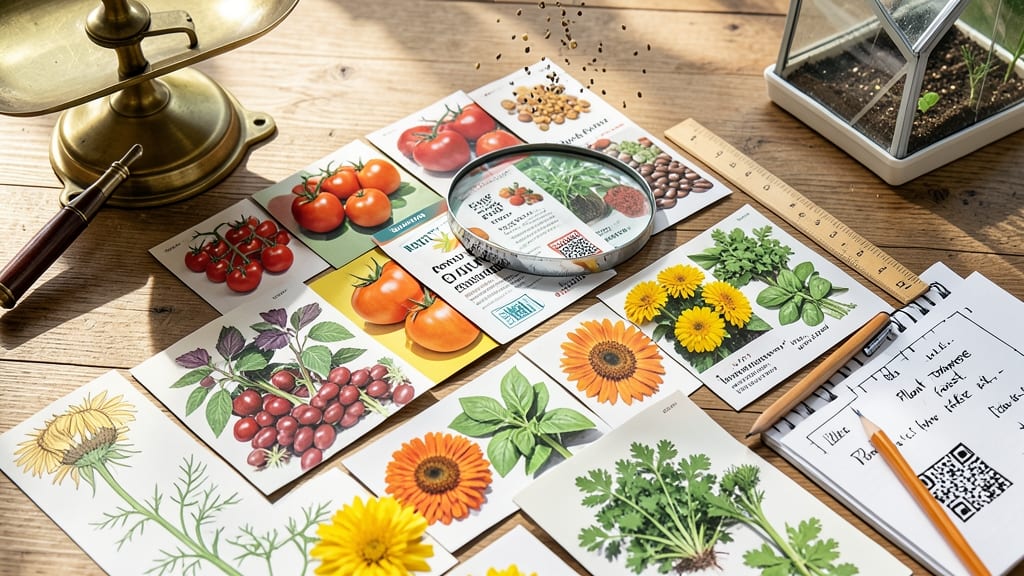
This year’s seed catalogs are your golden ticket to a garden that’s uniquely yours—packed with heirlooms, organic options, and varieties you’ll never find at the store. 🌱 I’ve spent years poring over these catalogs, and 2025’s offerings are the most exciting yet, with drought-resistant heirlooms and rare open-pollinated seeds making their debut.
Here’s the thing—your climate zone dictates everything. A catalog might promise "perfect for Zone 5," but if you’re in Zone 8, those same seeds could bolt by June. That’s why I cross-reference catalogs with my local frost dates and heat tolerance charts before circling a single variety.
It’s not just about picking pretty names; it’s about matching seeds to your growing season.
By ordering early (now, if you’re serious), you’ll snag the best selection before it sells out. Imagine sinking your hands into soil planted with Black Krim tomatoes or Cherokee Purple eggplants—varieties that taste like nothing store-bought can match.
Plus, organic and non-GMO seeds are easier to find than ever, so you can skip the chemicals entirely.
Pro tip: Jot down your garden’s layout before you order. Sketch where each plant will go—tall tomatoes in the north, bush beans in the south—and note companion plants to deter pests. That way, your catalog becomes a blueprint for a garden that’s not just beautiful, but productive from day one.
📚 In This Guide
- What you need
- Instructions
- Tips and common mistakes
- Wrapping up and next steps
What you need
- ● Seed Catalogs (2025 editions): At least 3-5 (mix of heirloom, organic, and regional varieties for diversity).
- ● Highlighters or sticky notes: 2-3 colors (for marking favorites, deadlines, and notes).
- ● Notebook or digital planner: For tracking seed orders, planting dates, and garden layouts.
- ● Ruler or measuring tape: 12-inch or longer (for spacing plants and designing garden beds).
- ● Pencil and eraser: For sketching garden plans or jotting down seed specs.
- ● Internet access or library card: For researching seeds, climate zones, and organic practices.
- ● Payment method: Credit/debit card, PayPal, or checkbook (depending on catalog preferences).
- ● Garden journal: For logging seed performance, harvest yields, and personal notes.
- ● Seed starting supplies: Trays, grow lights, or a greenhouse (if starting indoors early).
- ● Soil test kit: To ensure your garden beds are ready for organic seeds.
- ● Seed saver envelopes: For preserving heirloom seeds year after year.
- ● Garden gloves and knee pads: For comfortable planning and planting.
How to select the best heirloom and organic seeds from 2025 catalogs
Let’s cut through the noise and focus on what truly matters—choosing seeds that thrive in your space.
🌱 Step 1: Identify Your Growing Conditions
Start by noting your USDA hardiness zone and average last frost date—these determine which seeds will survive in your climate. Most catalogs list maturity days from transplant, so calculate when you’ll plant outdoors (usually 4-6 weeks before last frost). For example, if your last frost is April 15, aim to transplant by March 15.
Check the catalog’s sunlight requirements for each variety. Some heirlooms, like Brandywine tomatoes, need full sun (6-8 hours daily), while others, like Swiss chard, tolerate partial shade (4-6 hours). Circle the varieties that match your garden’s light conditions—this prevents disappointment later.
🌿 Step 2: Prioritize Organic and Heirloom Labels
Look for certified organic seeds (marked by labels like “OMRI-listed” or “USDA Organic”). These seeds are non-GMO and untreated with synthetic chemicals, aligning with organic gardening principles. Heirloom varieties are open-pollinated, meaning you can save seeds year after year—unlike hybrids, which produce inferior offspring.
I always cross-reference with Seed Savers Exchange or Baker Creek Heirloom Seeds for trusted sources. Their catalogs often include germination rates and disease resistance notes, which help you pick seeds that perform reliably. Avoid varieties with vague descriptions like “excellent flavor”—opt for specifics like “resistant to early blight” or “compact for containers.”
☀️ Step 3: Plan for Seed Quantity and Spacing
Catalogs often list seeds per ounce or packet, but you’ll need to calculate how many plants you can realistically grow. For example, a 1-ounce packet of beans might yield 50-100 seeds, but if your garden space is limited, you might only need 10-20 plants. Check the catalog’s spacing recommendations (e.g., 18 inches apart for pole beans) to avoid overcrowding.
If you’re new to seed saving, start with easy-to-grow heirlooms like Mozzarella tomatoes or Black Krim tomatoes—they’re productive and forgiving. For herbs, French tarragon and Italian basil are reliable choices with high germination rates. Always order extra seeds (10-20%) in case of poor germination or pests.
⏰ Step 4: Order Early and Track Deadlines
Seed catalogs often sell out by early spring, so place orders 6-8 weeks before your preferred planting time. Most catalogs include shipping deadlines—for example, Baker Creek seeds ships by February 15 for spring planting. Mark these dates on your calendar to avoid last-minute stress.
I like to compare prices per seed (not per packet) to get the best value. Some catalogs offer discounts for bulk orders or seed swaps with other gardeners. If you’re unsure about a variety, check online forums or gardening groups for real-world reviews—sometimes a seed’s performance doesn’t match the catalog’s hype.
🪴 Step 5: Store Seeds Properly for Next Year
Once you’ve grown your plants, save seeds from open-pollinated heirlooms for future seasons. Store them in a cool, dry place (like a sealed jar in the fridge) with a desiccant packet to prevent moisture. Label each variety with the year and name—seeds lose viability over time, so use them within 2-5 years (check the catalog for specific storage tips).
Here’s the thing—not all seeds are created equal. Some varieties thrive in your climate while others struggle, even if the catalog promises otherwise. Keep a garden journal to track which seeds perform best in your space. Over time, you’ll build a personalized seed collection tailored to your garden’s unique conditions.
Tips & tricks for choosing the right heirloom seeds
These practical insights will help you navigate 2025 seed catalogs with confidence and avoid common pitfalls.
Climate Matching: When checking sunlight requirements in Step 1, use a simple trick: snap a photo of your garden's sun exposure throughout the day. Most catalogs list "full sun" as 6-8 hours, but your garden's microclimate might vary. For example, a north-facing window might only get 4 hours of direct light—perfect for Swiss chard but too little for Brandywine tomatoes. I always measure with a timer during the growing season to get precise data.
Seed Source Verification: In Step 2, don't just trust the "organic" label—look for third-party certifications like OMRI or USDA Organic. I've found that some smaller catalogs use vague language. For heirloom seeds specifically, check if the catalog mentions "open-pollinated" or "non-hybrid" in their descriptions. Baker Creek and Seed Savers Exchange are my go-to sources because they include germination rates and disease resistance details that smaller catalogs often omit.
Quantity Planning: The 1-ounce packet in Step 3 can be deceiving—always calculate how many plants you actually need. For example, if your catalog suggests 18 inches apart for pole beans, you'll only need about 10 plants per 10-foot row. I recommend ordering 10-20% extra seeds for germination failures, but don't overdo it—extra seeds you don't use will lose viability over time. For compact varieties like French tarragon, you might only need 3-5 plants for a season's worth of harvests.
Storage Strategy: When saving seeds from Step 5, use small paper envelopes instead of jars—they're easier to label and prevent moisture buildup. I store mine in the freezer for maximum longevity, especially for seeds with low natural viability like tomatoes. Always include the harvest year on your labels—this helps track which seeds performed best in your specific climate conditions. For seeds with 2-3 year viability, I make a note to test germination before planting.
Pro Tips for Seed Catalogs 2025
- These practical insights will help you navigate 2025 seed catalogs with confidence and avoid common pitfalls.
- Climate Matching: When checking sunlight requirements in Step 1, use a simple trick: snap a photo of your garden's sun exposure throughout the day.
- Seed Source Verification: In Step 2, don't just trust the "organic" label—look for third-party certifications like OMRI or USDA Organic.
Frequently asked questions
Got questions about navigating seed catalogs in 2025?
Here are answers to the most common queries—whether you're a seasoned gardener or just starting your organic journey!
What’s the best time to order seeds from 2025 catalogs?
Most catalogs recommend ordering 8–12 weeks before your last frost date to ensure timely delivery and early planting. For example, if your frost date is March 15, order by January 15. Check your USDA zone for precision!
Can I still order heirloom seeds late in the season?
Yes! Many catalogs offer late-season shipments for quick-sprouting varieties (like lettuce or radishes). Call ahead or check their website for express options—just confirm availability before placing an order.
Are organic seed catalogs more expensive than conventional ones?
Organic seeds often cost 10–30% more due to certification and non-GMO practices. However, bulk discounts and heirloom seed swaps (like through Seed Savers Exchange) can offset costs. Prioritize what matters most—soil health or variety!
How do I find seed catalogs that support sustainable farming?
Look for catalogs with certified organic labels or partnerships with Fair Trade or regenerative agriculture programs. Brands like Baker Creek Heirloom Seeds or High Mowing Organic Seeds are great starting points!
What should I do if my seeds arrive damaged or don’t germinate?
Contact the catalog’s customer service within 30 days with photos—most offer replacements or refunds. For germination issues, check moisture, temperature, and seed age. Pro tip: Soak seeds overnight in lukewarm water before planting to boost success rates!
Still unsure? Drop your question below—we’re happy to help!
Wrapping up and next steps
As we look ahead to seed catalogs 2025, the future of gardening shines brighter than ever with heirloom treasures and organic seeds leading the way! 🌱 Whether you're a seasoned green thumb or just starting your gardening journey, these curated picks promise flavor, sustainability, and biodiversity that will transform your lawn and garden into a thriving ecosystem.
Now’s the time to dream big, plan ahead, and get those catalogs in hand—your 2025 harvest is waiting!
Next step? Start sketching your garden layout, jot down your favorite varieties, and mark those must-have seeds from the catalogs. Ready to dive in? Your future garden—and the pollinators—will thank you!