
Lawn
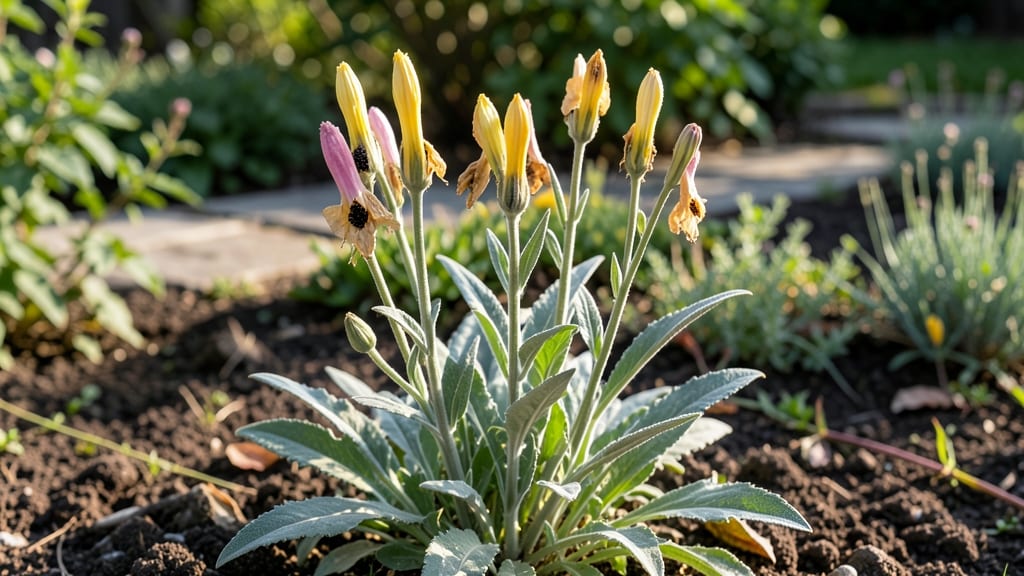
Your snapdragon seed pods are ready when they turn from green to a papery brown—this simple test saves you from drying empty pods. 🌱 I learned the hard way that harvesting too early means wasted effort, while waiting too long risks losing seeds to birds or rain.
The key is watching for that subtle color shift and the slight give when you gently squeeze them. The best time to collect is on a dry morning after dew has evaporated but before the sun gets too hot.
Use clean scissors to snip the pods from the stem, then lay them on a tray lined with paper towels to dry. It takes about 10-14 days in a warm, dry spot, but you’ll know they’re ready when they rattle with seeds when shaken.
Once dried, open the pods carefully—each one holds hundreds of tiny seeds—and store them in an envelope labeled with the variety and harvest date. These seeds stay viable for 2-3 years if kept in a cool, dark place, so you’ll always have fresh snapdragons without buying new plants.
For maximum germination, soak the seeds overnight before planting. This method works for both heirloom and hybrid varieties, giving you full control over your garden’s color palette year after year.
📚 In This Guide
- What you need
- Instructions
- Tips and common mistakes
- Wrapping up and next steps
What you need
- ● Fresh snapdragon plants – Choose healthy, mature plants with fully developed seed pods (preferably Antirrhinum majus varieties).
- ● Sharp pruning shears or scissors – 1 pair, sterilized to prevent disease transfer (rubbing alcohol wipe works!).
- ● Paper towels or newspaper – 2-3 sheets, for drying and testing.
- ● Small paper bags or envelopes – 5-10, breathable and labeled for each pod type/ripeness stage.
- ● Pencil or marker – For labeling pods by date and ripeness.
- ○ Magnifying glass (optional but helpful) – 1, to inspect seed pod details up close.
- ● Seed viability test kit – For advanced testing (e.g., float test supplies like water and a clear jar).
- ● Digital scale – To weigh pods for consistency checks.
- ● Notebook or app – For tracking ripeness stages and drying progress.
- ● Humidity-controlled drying area – A dehumidifier or fan to speed up drying in humid climates.
Step-by-step guide to testing snapdragon seed pod ripeness
Here's how I check for perfect seed pod ripeness—no guesswork, just clear signs.
🌱 Step 1: Identify Mature Snapdragon Seed Pods
Look for pods that have turned a uniform dull brown color, not the green or purple hues of immature pods. The pods should feel slightly papery when gently squeezed between your fingers—they should crack open easily but not crumble into dust. I always check the topmost pods first since they mature earliest.
If you see any lingering green or purple streaks, the pods aren't ready yet. Wait another 3-5 days and check again. The key is patience—overripe pods shatter too easily and scatter seeds everywhere. I like to work on a clean sheet of newspaper to catch any stray seeds while I examine them.
✂️ Step 2: Test Pod Ripeness with the Squeeze Method
Gently pinch a pod between your thumb and forefinger. A ripe pod will split open with light pressure but won't fall apart completely. You should hear a faint papery crack as the seed case separates. If the pod stays intact, it needs more time. If it crumbles into fragments, you've waited too long.
For best results, test 3-5 pods from different stems. Snapdragons on the same plant can mature at slightly different rates, especially if they're in partial shade. I always mark the stems with a small piece of twine once I've identified ripe pods—this prevents me from accidentally harvesting them again later.
🪴 Step 3: Harvest and Prepare Pods for Drying
Use clean, sharp scissors to snip the entire seed pod cluster from the stem, leaving about ½ inch of stem attached. This prevents the pods from drying too quickly at the cut end. Place the harvested pods in a single layer on a paper towel-lined tray to prevent moisture buildup between pods.
Store the tray in a dry, shaded spot with good airflow—like a covered porch or a well-ventilated room. Avoid direct sunlight, which can cause the pods to dry too fast and lose viability. I set a reminder to check them every 2-3 days to ensure they're drying evenly without molding.
⏰ Step 4: Verify Complete Dryness Before Seed Extraction
After 7-10 days, the pods should feel completely dry and brittle to the touch. Gently open one pod—if the seeds inside are dark brown and hard, they're ready. If they're still slightly pliable or light-colored, let them dry another 2-3 days. I like to tap two pods together; ripe seeds will make a dull thud, while unripe ones sound hollow.
Once fully dry, store the pods in a paper envelope labeled with the variety and harvest date. Keep them in a cool, dark place—like a seed storage box—to maintain viability for up to 2 years. The seeds will stay fresh longer if the pods remain intact until you're ready to open them.
Tips & tricks for perfect snapdragon seed pod ripeness
Took me years of trial and error to figure out these little tricks that make all the difference when harvesting snapdragon seed pods.
Color Consistency is Key: Pay extra attention to the color transition from green to purple to dull brown. The dull brown stage is your sweet spot—it means the pods are fully mature but not yet overripe. I've found that morning light is best for checking colors, as shadows can make pods look darker than they are.
Test Multiple Pods from Different Stems: Snapdragon plants can have pods that mature at different rates, especially if they're in partial shade. Always test 3-5 pods from different stems to get an accurate reading. I like to work my way down the stem, checking pods from top to bottom, since the top pods usually mature first.
Harvesting Technique Matters: When you're ready to harvest, leave about ½ inch of stem attached to each pod cluster. This small detail prevents the pods from drying too quickly at the cut end, which can affect seed viability. I use clean, sharp scissors and always sanitize them with rubbing alcohol between cuts to prevent any potential contamination.
Drying Conditions Create or Break Viability: The drying environment makes all the difference. I've learned the hard way that direct sunlight causes pods to dry too fast and lose viability. Instead, choose a dry, shaded spot with good airflow—like a covered porch or well-ventilated room. I set a reminder to check them every 2-3 days to ensure even drying without molding.
Pro Tips for Snapdragon Seed Pods
- Took me years of trial and error to figure out these little tricks that make all the difference when harvesting snapdragon seed pods.
- Color Consistency is Key: Pay extra attention to the color transition from green to purple to dull brown.
- Test Multiple Pods from Different Stems: Snapdragon plants can have pods that mature at different rates, especially if they're in partial shade.
Frequently asked questions
Got questions about snapdragon seed pods? You’re not alone! Here are some of the most common inquiries—plus quick, actionable answers to help you master the process.
How do I know when snapdragon seed pods are fully ripe?
Look for dry, papery pods that turn from green to a light tan or brown. Gently squeeze one—if it cracks open easily and releases seeds, it’s ready! Avoid harvesting if pods are still green or rubbery, as seeds may not germinate well. Pro tip: Morning harvests prevent overnight moisture buildup.
Can I dry snapdragon seed pods indoors?
Yes! Lay pods on a paper towel or mesh screen in a cool, dry, well-ventilated spot (like a windowsill or desk). Avoid direct sunlight or heat sources—humidity is the enemy! A small fan on low can speed up drying. Expect 1–2 weeks for full dryness.
What if my snapdragon pods split open before I’m ready?
Don’t panic! If pods crack prematurely, collect the seeds immediately and spread them on a tray to dry. Store them in a paper envelope in a cool, dark place. Seeds from partially ripe pods may have lower viability, but they can still sprout with patience.
Are there alternatives if my snapdragons don’t produce seed pods?
Try these tricks:
- Hand-pollinate flowers with a soft brush to transfer pollen between blooms.
- Choose self-pollinating varieties (like ‘Black Prince’ or ‘Matrix’ series) for easier seed production.
- Ensure plants get full sun (6+ hours/day) and well-draining soil—stress can reduce pod formation.
If all else fails, buy seeds from a nursery!
How should I store dried snapdragon seed pods long-term?
Once fully dry, store pods in paper envelopes or breathable fabric bags (not plastic!) in a cool (50–60°F), dry place. Label with the variety and date—seeds stay viable for 2–4 years under ideal conditions. Pro tip: Add a silica gel packet to absorb excess moisture.
Still stumped? Drop your snapdragon seed struggles in the comments—we’re happy to help!
Wrapping up and next steps
Testing the ripeness of snapdragon seed pods before drying is a simple yet game-changing step to ensure healthy, viable seeds for your garden. By mastering the tap test, visual cues, and color checks
Ready to level up your seed-saving skills? Grab a few more pods, practice your techniques, and soon you’ll be sharing your expertise (or seeds!) with fellow gardeners. Happy harvesting! 🌸