
Propagation
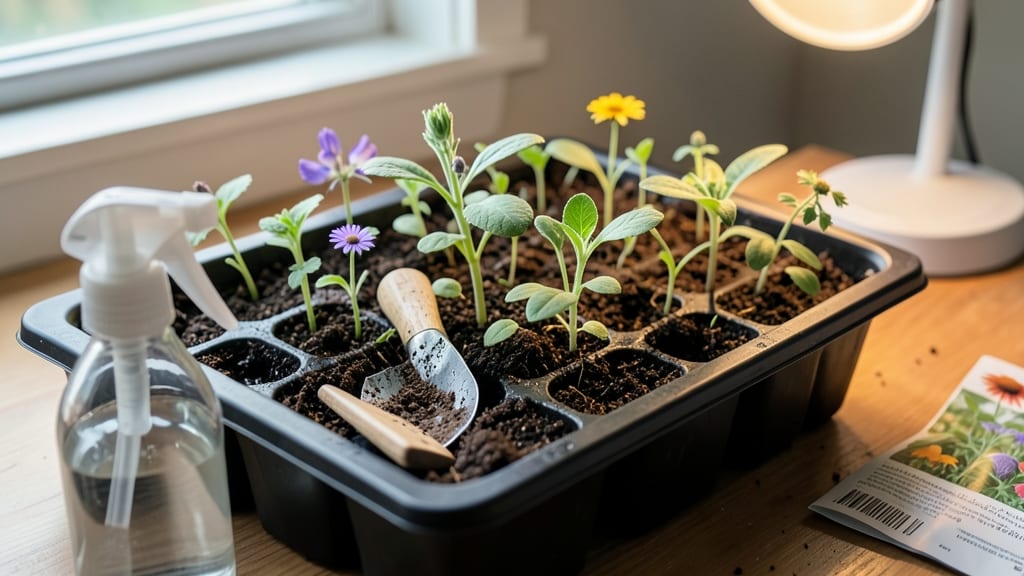
Wildflower seed germination time varies wildly—7 to 21 days is typical once conditions align. 🌱 I’ve watched my meadow mix go from stubborn little specks to green shoots overnight after a proper winter chill, and it’s nothing short of magical. The key isn’t rushing them—it’s giving them the right seasonal cues, whether that’s a deep freeze or steady spring rains. Annuals like cosmos and zinnias often pop up faster (7–10 days) if sown warm, but perennials like coneflowers and black-eyed Susans demand patience—sometimes 30+ days—because they’ve evolved to wait for the perfect moment. Cold stratification (mimicking winter) cuts that time in half for most species, but forget it, and you’ll stare at bare soil for weeks wondering if they’re ever coming. What you’ll end up with is a patch of vibrant, self-sustaining blooms that hum with bees and butterflies by midsummer. The payoff is worth the wait—no two wildflower gardens look the same, and that’s the beauty. Just don’t blame the seeds if you plant them at the wrong time of year (learned that the hard way with my impatience). For best results, direct sow in fall for spring blooms or stratify seeds indoors 6–8 weeks before your last frost. Arid climates need extra moisture; temperate zones can rely on natural rains. Either way, the secret is timing—nature’s clock, not yours.
📚 In This Guide
- What you need
- Instructions
- Tips and common mistakes
- Wrapping up and next steps
What you need
- ● Wildflower seeds: Choose native or regionally adapted varieties (e.g., Black-eyed Susan, Coneflower, or Milkweed). Aim for 1-2 lbs (or ~500-1,000 seeds, depending on size).
- ● Seed-starting mix: A lightweight, sterile potting soil (avoid garden soil—it’s too dense!). A 10-20 lb bag covers most small projects.
- ● Containers: Shallow trays, seedling pots (3-4" deep), or even a repurposed plastic bin with drainage holes. Use enough to hold 1-2 inches of soil per tray.
- ● Watering can or spray bottle: A fine-mist nozzle keeps seeds from washing away. A 1-gallon capacity is ideal.
- ● Clear plastic wrap or humidity dome: A 4x6 ft sheet (or a DIY cover) traps moisture until germination.
- ○ Gloves: Protect your hands from prickly seeds (optional but handy!).
- ● Label markers & tags: Write seed types/planting dates on toothpicks or plant labels.
- ● Grow lights or sunny windowsill: If indoors, a 12-16 hour daylight LED bulb mimics spring conditions.
- ○ Fertilizer (optional): A balanced 10-10-10 or organic compost tea after sprouts emerge (avoid before germination!).
- ● Cold frame or refrigerator (for stratification): If seeds need cold treatment, a cool, dark space (34–40°F) works—like a DIY seed fridge!
How to cold-stratify wildflower seeds for faster germination
Skip the endless waiting—this method gets your wildflower seeds sprouting in just 7 to 21 days with the right cold treatment.
🌱 Step 1: Choose the Right Seeds and Prep the Mix
Wildflower seeds need a cold stratification period to break their natural dormancy. Start with fresh seeds—old or stored seeds may not germinate well. Mix equal parts peat moss and perlite in a shallow tray or container. This blend drains well but holds enough moisture to keep seeds happy during stratification.
Moisten the mix until it feels like a wrung-out sponge—not soggy, but damp enough that water beads form on the surface. Avoid overwatering here; excess moisture can rot seeds before they even sprout. Spread seeds evenly across the surface, spacing them about ½ inch apart so they don’t crowd once they germinate.
❄️ Step 2: Cold-Treat for Dormancy Break
Lightly cover the seeds with a thin layer of the same moist mix—just enough to shield them from light but not bury them too deep. Place the tray in a plastic bag and seal it loosely (you want airflow, not a sealed vacuum). Store it in your refrigerator’s crisper drawer for 2 to 4 weeks—this mimics winter’s natural cold spell.
Check the mix every 5-7 days to ensure it’s still moist. If it feels dry, mist lightly with water. You’ll know the cold treatment is working when seeds start to plump up or show tiny cracks. This is your signal that dormancy is breaking, and germination is about to begin.
☀️ Step 3: Move to Warmth for Germination
After 2 to 4 weeks, remove the tray from the fridge and place it in a warm, bright spot—like a sunny windowsill or under a grow light. Wildflower seeds germinate best at 65-75°F, so avoid drafty areas or direct heat sources like radiators. Keep the mix consistently moist (not soggy) by misting lightly every 2-3 days or when the top layer feels dry.
Germination can take 7 to 21 days, depending on the species. Some seeds, like poppies, may sprout in as little as 7 days, while others, like coneflowers, might take closer to 3 weeks. Watch for tiny green shoots breaking through the soil—this is your cue that the seeds are waking up!
🌿 Step 4: Thin and Transplant Seedlings
Once seedlings have 2-3 true leaves (not just the initial seed leaves), it’s time to thin them. Use small scissors or your fingers to snip or gently pull the weaker seedlings, leaving the strongest ones 2-3 inches apart. This prevents overcrowding and gives roots room to grow.
If transplanting outdoors, wait until nighttime temperatures stay above 50°F and the soil is warm. Harden off seedlings by placing them outside in a shaded, sheltered spot for 1-2 hours the first day, gradually increasing exposure over 5-7 days. This helps them adjust to outdoor conditions without shock.
Tips & tricks for perfect wildflower germination
Here's what I learned after watching my first batch of seeds fail to sprout—don't make my mistakes!
Moisture Control: The "wrung-out sponge" test in Step 1 is critical—too dry and seeds won't activate, too wet and they'll rot. I learned this the hard way after losing a tray of seeds to mold. For extra insurance, place a small dish of water in the fridge with your tray during cold stratification, creating a mini humid environment. This helps maintain consistent moisture without overwatering.
Species-Specific Timing: Not all wildflowers follow the same schedule. Poppies and larkspur often sprout within 7-10 days after moving to warmth, while coneflowers and black-eyed Susans may take the full 21 days. I keep a small notebook next to my seed trays to track each species' progress—it's fascinating to see how different varieties respond to the same conditions. The 2-4 week cold treatment remains standard for all, but germination windows vary dramatically after that.
Light Exposure Trick: For seeds that need light to germinate (like many wildflower species), don't cover them completely in Step 2. Instead, cover them with just enough mix to shield them from direct light but still allow some indirect light to penetrate. I use a fine mesh screen over the tray if I'm worried about covering too much—this mimics natural conditions where seeds often lie just beneath the soil surface.
Transplant Timing: Wait until nighttime temperatures consistently stay above 50°F before transplanting outdoors, as specified in Step 4. I've found that checking your local weather forecast for the 5-day outlook helps plan the perfect transplant window. If you're in doubt, err on the side of caution—young seedlings can handle cooler nights better than they can handle frost. For extra protection, cover seedlings with a light frost cloth during their first week outdoors if nighttime temps dip below 50°F.
Pro Tips for Wildflower Seed Germination Time
- Here's what I learned after watching my first batch of seeds fail to sprout—don't make my mistakes!
- Moisture Control: The "wrung-out sponge" test in Step 1 is critical—too dry and seeds won't activate, too wet and they'll rot.
- Species-Specific Timing: Not all wildflowers follow the same schedule.
Frequently asked questions
about wildflower seed germination can help you troubleshoot and optimize your planting success. Here are answers to some of the most common queries:How long do wildflower seeds take to germinate?
Germination times vary by species, but most wildflowers sprout within 7 to 21 days under ideal conditions (proper soil moisture, temperature, and sunlight). Some native varieties may take longer—up to 30 days—especially if they require cold stratification. Always check the seed packet for specific timing!
Do wildflower seeds need cold treatment (stratification) to germinate?
Yes! Many wildflower seeds benefit from cold stratification (a period of chilling) to break dormancy. Mix seeds with moist sand or peat moss, place them in a sealed bag, and refrigerate for 2–4 weeks before planting. This mimics natural winter conditions and boosts germination rates.
What’s the best way to keep wildflower seeds moist during germination?
Consistent moisture is key! Water lightly but frequently (every 2–3 days) to keep soil damp—not soggy. Use a spray bottle or misting system to avoid disturbing seeds. Mulch lightly with straw or shredded leaves to retain moisture and prevent crusting. Avoid overhead watering once sprouts emerge.
Can I plant wildflower seeds in fall for spring blooms?
Fall planting is ideal for many wildflowers. Seeds exposed to winter’s chill will germinate in early spring, giving them a head start. Choose native species adapted to your climate, and sow seeds 4–6 weeks before your first frost for best results.
Why aren’t my wildflower seeds germinating? Troubleshooting tips
If seeds aren’t sprouting, check these common issues:
- Improper timing: Some seeds need light to germinate—press them lightly into soil (don’t bury deeply).
- Poor soil contact: Ensure seeds touch moist soil; dryness or heat can inhibit growth.
- Wrong conditions: Verify temperature (most need 60–75°F) and moisture levels.
- Old seeds: Viability drops after 1–2 years—test with a germination test if unsure.
If problems persist, try scarification (lightly nicking the seed coat) or re-stratify.
Wrapping up and next steps
Understanding wildflower seed germination time—especially those needing cold stratification—can transform your garden into a vibrant tapestry of color. With patience, the right conditions, and a little know-how, you’ll soon see those first green shoots breaking through the soil in 7 to 21 days! 🌱
Ready to take the next step? Start by selecting seeds suited to your climate, then plan your planting schedule based on frost dates. Before you know it, your wildflower meadow will be buzzing with life—and maybe even a few friendly pollinators! 🐝