
Planting
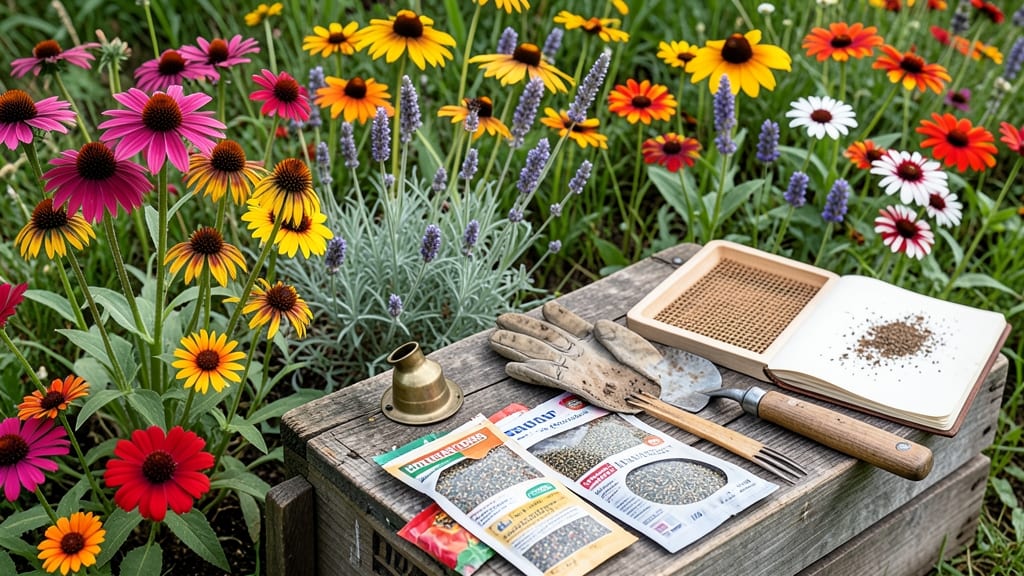
Wildflower seed packets transform bare soil into a buzzing meadow of color—no green thumb required. 🌻 I’ve watched my own patches go from empty ground to hummingbird magnets in just a few weeks, and the best part?
You can save seeds from your blooms to replant next year, cutting waste completely. The secret isn’t complicated: scatter seeds in well-prepared soil, keep them moist for the first month, and let nature handle the rest.
Most packets include a mix of annuals and perennials, so you’ll get blooms all season long with almost no maintenance. Even my first attempt—planted in a shady corner—produced cheerful faces by June. You’ll end up with a pollinator paradise that thrives on neglect.
Butterflies, bees, and birds will visit daily, and the flowers will self-seed year after year, creating a low-maintenance landscape that keeps giving. The only real mistake? Waiting to plant instead of just doing it. Works in sun or partial shade, for gardens, meadows, or even container planters.
Here’s how to make the most of your packet—no fancy tools needed.
📚 In This Guide
- What you need
- Instructions
- Tips and common mistakes
- Wrapping up and next steps
What you need
- ● Wildflower seed packets: Choose native species for your climate (e.g., Black-eyed Susan, Coneflower, or Milkweed). 1–5 packets depending on area size.
- ● Prepped soil: Loose, well-draining soil (amend with compost if needed). Test pH (ideal: 6.0–7.5 for most wildflowers).
- ● Watering can or hose: With a gentle spray nozzle for even moisture.
- ● Gardening tools: Hand trowel or hoe (for light soil prep)
- ● Rake (to smooth soil and remove debris)
- ○ Optional mulch: Straw or shredded leaves (¼-inch layer) to retain moisture.
- ● Pruning shears (for harvesting mature seed heads).
- ● Paper bags or envelopes (for drying seeds).
- ● Label markers (to track varieties and harvest dates).
- ○ Seed-saving journal (optional but helpful for notes!).
- ● Sunlight access: 6+ hours/day for most wildflowers (check packet specs).
- ● Timing: Plant in early spring or fall (avoid summer heat).
- ● Harvest seeds in late summer/fall (when seed heads dry).
- ● Patience: Blooms may take 6–12 weeks to appear!
How to plant wildflower seed packets for year-round color
Turn your yard into a buzzing, blooming paradise with these simple steps—your local pollinators will thank you.
🌱 Step 1: Prepare the Soil and Site
Choose a sunny spot with at least 6 hours of direct sunlight daily—wildflowers thrive where they can soak up warmth. Clear any weeds or grass in a 4-foot square area (or larger if you're planting more packets). You don’t need to till deeply; wildflowers love loose, natural soil. If your area has heavy clay or compacted soil, mix in a thin layer of compost to help seeds make contact with the earth.
Here’s the thing—wildflowers grow best when they’re not competing with aggressive grasses. If you’re planting in an existing lawn, consider using a soil knife to cut small squares of turf and flip them over (they’ll dry out and die). This creates tiny pockets where seeds can settle without battling for space.
💧 Step 2: Scatter Seeds Evenly for Natural Beauty
Open your wildflower seed packets and spread the seeds by hand, aiming for about 1 teaspoon per square foot. Don’t worry about perfect spacing—wildflowers look best when they grow in loose, natural clusters. If you’re planting multiple packets, mix the seeds together first for a more varied display. Lightly press the seeds into the soil with your hand or the back of a rake to ensure good soil contact.
Water gently but thoroughly right after planting—aim for ½ inch of water to moisten the soil to a depth of about 1 inch. You’ll know it’s enough when the surface looks damp but not soggy. Avoid walking on the area until the seeds germinate, which usually takes 7-21 days, depending on the mix. Patience here pays off—wildflowers need consistent moisture to establish roots.
☀️ Step 3: Maintain with Minimal Effort
Once seeds sprout, reduce watering to once a week (or when rainfall is less than ½ inch per week). Wildflowers are drought-tolerant once established, but young plants need steady moisture. Water in the early morning to prevent fungal diseases from overnight dampness. You’ll see the first blooms in 6-8 weeks, but some varieties may take longer—don’t be discouraged if your garden doesn’t burst into color immediately.
Skip the fertilizer. Wildflowers grow best in poor soil, and too much nitrogen will encourage leafy growth at the expense of blooms. If weeds start to crowd out your wildflowers, pull them by hand when the soil is moist—you’ll find it’s easier and more effective than using herbicides.
✂️ Step 4: Encourage Season-Long Blooms and Save Seeds
When flowers fade, leave the seed heads on the plants as long as possible—this feeds pollinators and gives seeds time to mature. If you want to save seeds for next year, wait until the heads turn brown and brittle, then gently rub them over a paper bag to collect the seeds. Store them in a cool, dry place until planting season. This zero-waste method ensures your wildflower meadow keeps growing year after year.
Deadhead spent blooms only if they look messy, but otherwise, let nature take its course. The more you interfere, the less your garden will resemble a wildflower meadow. Watch for butterflies, bees, and birds—they’ll visit as soon as the first flowers open, and your garden will become a haven for wildlife.
Tips & tricks for perfect wildflower plantings
Here's what I've learned from years of growing wildflower meadows—and how to avoid the mistakes I made.
Sunlight Strategy: That 6-hour sunlight minimum is non-negotiable, but here's the thing: most wildflower mixes actually thrive with 8+ hours of sun. If your spot gets afternoon shade, consider planting sun-loving varieties like black-eyed Susans or coneflowers toward the front where they'll get more light. The back of the bed can handle slightly more shade-tolerant varieties like yarrow or goldenrod.
Seed Spacing Secret: When you're aiming for 1 teaspoon per square foot, don't be afraid to go slightly lighter—especially if you're using a mix with larger seeds. I've found that ½ teaspoon per square foot works beautifully for mixes with big seeds like poppies or coreopsis. The key is to let nature do the spacing—wildflowers look best when they're not crowded.
Watering Wisdom: That ½ inch of water right after planting is crucial, but here's what nobody tells you—how you water matters just as much. Use a gentle rain setting on your hose or a watering can with a fine rose attachment. Direct streams can wash seeds away or create mud puddles that suffocate them. Think "mist" rather than "pour."
Weed Prevention: The turf-flipping trick in Step 1 works wonders, but here's my pro move: after flipping those turf squares, sprinkle a thin layer of wood chips or straw over the area before planting. This suppresses weeds while the seeds germinate and keeps the soil moist. Just make sure to remove it once the wildflowers are established—you don't want to smother them.
Pro Tips for Wildflower Seed Packets
- Here's what I've learned from years of growing wildflower meadows—and how to avoid the mistakes I made.
- Sunlight Strategy: That 6-hour sunlight minimum is non-negotiable, but here's the thing: most wildflower mixes actually thrive with 8+ hours of sun.
- Seed Spacing Secret: When you're aiming for 1 teaspoon per square foot, don't be afraid to go slightly lighter—especially if you're using a mix with larger seeds.
Frequently asked questions
Got questions about wildflower seed packets? You’re not alone! Here are answers to the most common queries to help you grow a thriving, zero-waste garden with ease.
When is the best time to plant wildflower seed packets?
For most regions, late summer to early fall (August–September) is ideal—seeds germinate in cooler soil and establish roots before winter. In warmer climates, plant in winter or early spring (February–March). Always check the packet for region-specific timing!
How much water do wildflower seeds need after planting?
Keep soil consistently moist (not soggy!) for the first 2–3 weeks. After germination, water deeply but infrequently—wildflowers thrive on drought once established. A light misting in the morning is perfect!
Can I plant wildflower seed packets in containers or just gardens?
Use shallow containers (6+ inches deep) with drainage holes and well-draining soil. Avoid overcrowding—space seeds as the packet suggests. Containers work great for balconies, patios, or even window boxes!
Will wildflower seeds attract bees or other pests?
Wildflowers support pollinators like bees and butterflies—they’re not pests! If you’re concerned, choose native species (they’re low-maintenance and ecologically beneficial). Just avoid planting near food crops if you’re wary of bees.
How do I save seeds from my wildflowers for next year?
Let some flowers fade naturally—seed heads will form. Once dry and brown, gently rub them to release seeds, then store in a cool, dry place (paper envelope or jar). Label them! Most wildflowers self-seed, but saving ensures variety.
What if my seeds don’t germinate?
Try these fixes:
- Check soil moisture—seeds need consistent dampness.
- Verify sunlight—most wildflowers need full sun (6+ hours/day).
- Test soil—amend with compost if soil is rocky or clay-heavy.
- Replant—some seeds need stratification (cold treatment); check the packet.
Wrapping up and next steps
Transforming your space into a vibrant, pollinator-friendly haven is easier—and more rewarding—than you think! With just a few wildflower seed packets, you’re not only creating beauty but also supporting local ecosystems. Start small, experiment with colors, and watch your garden thrive with minimal effort.
Ready to take the next step? Grab your seeds, pick a sunny spot, and let nature do the rest! 🌸🌻