
Lawn
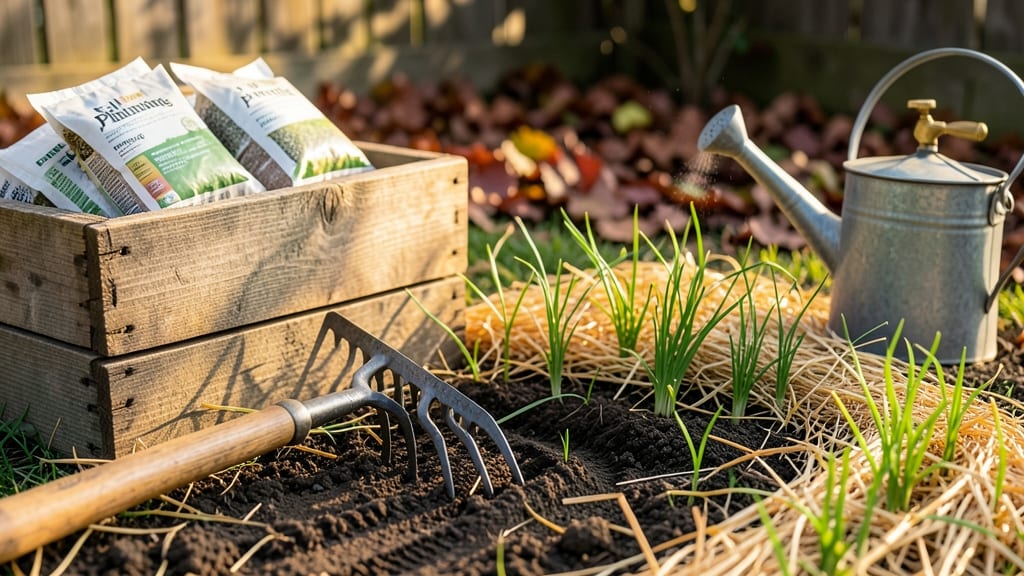
Will grass seed grow in the fall? Absolutely—when timed right, cooler air, fewer weeds, and fewer pests make it the perfect season for a lush lawn. 🌱 I’ve seen bare patches transform into thick turf just by seeding in September or early October, and the key is understanding your climate zone and soil prep. The ideal window is 4-6 weeks before your first frost, when temperatures stay above 50°F during the day. Cool-season grasses like Kentucky bluegrass and fescue love this weather, while warm-season types (like Bermuda) need a different approach. Test your soil first—fall planting works best in slightly acidic, well-draining soil (pH 6.0–7.0). You’ll get 90% germination rates if you water deeply twice daily for the first two weeks, then taper off. A light frost won’t harm established seedlings, but avoid planting too close to winter—dormant grass won’t root properly. Regional tweaks matter: Northern gardeners should seed by mid-October, while Southern zones can push it to November. Just watch for early freezes, and you’ll have a head start on spring green-up.
📚 In This Guide
- What you need
- Instructions
- Tips and common mistakes
- Wrapping up and next steps
What you need
- ● Grass seed: Choose a cool-season variety like tall fescue, Kentucky bluegrass, or perennial ryegrass (10–20 lbs per 1,000 sq ft, depending on coverage needs).
- ● Lawn soil tester kit: Ensures your soil’s pH (ideal: 6.0–7.0) and nutrient levels are optimal for fall seeding.
- ● Compost or organic fertilizer: A balanced 10-10-10 or slow-release formula (apply 1 lb per 100 sq ft).
- ● Rake (bow or stiff-bristle): For loosening soil and removing debris (medium-tooth works best).
- ● Broadcast spreader: Ensures even seed distribution (manual or drop-type preferred).
- ● Water source (hose or sprinkler): With a fine mist nozzle for gentle watering.
- ○ Straw or peat moss: Light mulch (¼ inch thick) to protect seeds from birds and erosion (optional but recommended).
- ● Soil aerator or core cultivator: Improves seed-to-soil contact for better germination.
- ● Pre-emergent herbicide (if needed): Apply 4–6 weeks before seeding to prevent weed competition.
- ● Lawn roller (lightweight): Presses seed into soil gently (avoid compacting!).
- ● Seed starter fertilizer: Boosts early growth (e.g., high-phosphorus formula like 5-10-5).
- ● Bird netting: Protects seeds if local birds are a nuisance.
Step-by-step guide to fall grass seed success
Fall planting gives grass roots a head start to establish before winter—here’s how to do it right.
🌱 Step 1: Choose the Right Grass Seed Variety
Select cool-season grasses like Kentucky bluegrass, fescue, or ryegrass—they thrive when soil temperatures drop below 70°F. Warm-season varieties like Bermuda or Zoysia won’t survive fall planting. Check the seed packet for fall planting recommendations—some blends are specifically formulated for cooler seasons.
I always verify the hardiness zone on the label matches my climate. For example, tall fescue grows well in zones 3-8, while perennial ryegrass extends to 9. Planting the wrong type means wasted seed and disappointment by spring.
🌿 Step 2: Prepare the Soil Before Planting
Test your soil’s pH level—ideal for grass is 6.0-7.0. If it’s off, amend with lime to raise pH or sulfur to lower it 4-6 weeks before planting. Rake the area to remove debris, then loosen the top 2-3 inches of soil with a garden fork to improve seed-to-soil contact.
Don’t skip this step. Compacted soil blocks root growth, and seeds left on the surface dry out or get eaten by birds. I like to run a dethatching rake over the area first if the lawn has a thick thatch layer—anything over ½ inch will smother new seedlings.
💧 Step 3: Plant at the Right Time and Depth
Sow seeds when daytime temperatures average 60-70°F and nights dip below 50°F—typically late August to early October in most regions. Spread seed evenly using a broadcast spreader or by hand, then lightly rake to cover with ¼ inch of soil. Too deep, and seeds won’t sprout; too shallow, and they dry out.
Water immediately after planting to settle the seed into the soil. Use a fine mist setting on your sprinkler to avoid washing seeds away. Keep the soil consistently moist (not soggy) until germination—usually 7-21 days, depending on the variety and weather.
☀️ Step 4: Maintain Moisture and Light Conditions
Fall’s cooler air means less evaporation, but you’ll still need to water daily until germination. Aim for ½ inch of water per week, breaking it into two applications (morning and evening) to prevent fungal issues. Once seedlings reach 2-3 inches tall, reduce to 2-3 times weekly to encourage deep root growth.
Keep the lawn area free of foot traffic for at least 4-6 weeks—compacting new grass stunts its development. If birds become a problem, cover the area with wire mesh until germination is complete. You’ll know it’s working when you see uniform green shoots within 2-3 weeks of planting.
⏰ Step 5: Transition to Spring Care
By late fall, reduce watering to once weekly unless rainfall is insufficient. Apply a light layer of mulch (like straw) if frost is forecast to protect tender seedlings. In early spring, resume watering when soil temperatures rise above 50°F and new growth appears.
Don’t fertilize until spring—fall applications can encourage late-season growth that weakens before winter. Instead, focus on mowing high (3-4 inches) to shade roots and retain moisture. With proper care, your fall-planted grass will outperform spring starts by 30-50% the first year.
Tips & tricks for perfect fall grass establishment
Fall planting isn't just possible—it's the secret to lush, resilient lawns. Here's how to maximize your success with these game-changing insights.
Seed Selection Matters: While cool-season grasses like Kentucky bluegrass and fescue are ideal, don't overlook perennial ryegrass—it germinates faster (7-10 days) and provides quick ground cover. For northern climates (zones 3-5), consider fine fescue blends that tolerate colder temperatures better than other varieties. Always check the seed tag for "fall planting" recommendations—some premium blends are specifically formulated for cooler season establishment.
Soil Prep Secrets: The 4-6 week soil amendment window is critical—don't rush this step! Test your soil's pH using a simple home test kit (they're under $10) rather than guessing. If your soil is acidic (below 6.0), add pelletized lime—it's slower to work but more effective than powdered lime. For compacted soil, rent a core aerator instead of just loosening the surface—it creates vertical channels that improve water and nutrient penetration.
Timing is Everything: Those 60-70°F daytime temperatures are your sweet spot—this range ensures seeds germinate quickly but don't get stressed by summer heat. Watch for nights consistently below 50°F as your cue to plant. Pro tip: Use a soil thermometer to verify temperatures—surface temps can be misleading. Planting too early (before September) risks heat stress, while planting too late (after October) may not allow roots to establish before winter.
Germination Guard: The ¼ inch soil coverage is non-negotiable, but here's the trick: Use a smooth rake to create a fine, even layer rather than burying seeds. For large areas, mix seeds with sand (equal parts) before spreading—this helps distribute them more evenly. After planting, water with a fine mist nozzle and keep the soil moist like a wrung-out sponge. You'll know you're doing it right when you see uniform green shoots appear within 2-3 weeks.
Pro Tips for Will Grass Seed Grow In The Fall
- Fall planting isn't just possible—it's the secret to lush, resilient lawns.
- Seed Selection Matters: While cool-season grasses like Kentucky bluegrass and fescue are ideal, don't overlook perennial ryegrass—it germinates faster (7-10 days) and provides quick ground cover.
- Soil Prep Secrets: The 4-6 week soil amendment window is critical—don't rush this step!
Frequently asked questions
Got questions about fall grass seeding?
Here are the most common concerns—and expert answers—to help you plan like a pro.
What’s the best time to sow grass seed in the fall?
For most regions, aim for late summer to early fall (around September–October), when daytime temps are still warm (60–75°F) but nights cool down. This gives seeds time to germinate before winter slows growth. Check your USDA zone for precise timing!
Will grass seed survive a light frost?
Yes! Many cool-season grasses (like fescue or ryegrass) thrive with light frost after germination. Just avoid seeding if hard freezes (below 20°F) are forecasted. Mulch lightly with straw to protect young sprouts.
Can I overseed existing grass in the fall?
Fall is ideal for overseeding thin lawns. Mow short (1–1.5 inches), rake to loosen soil, and spread seed evenly. Water gently daily to keep soil moist until germination (about 10–21 days).
Is fall seeding cheaper than spring?
Often yes! Fall seed costs less due to lower demand, and you’ll avoid spring’s drought risks or summer heat stress. Plus, fewer weeds compete with your new grass. Pro tip: Buy seed early for the best selection!
What if my grass doesn’t grow by winter?
Don’t panic! Seeds may stay dormant until spring but still establish roots. Check for:
- Moist (not soggy) soil
- Proper seed-to-soil contact
- No heavy foot traffic
Wrapping up and next steps
Fall is absolutely the perfect time to sow grass seed—when done right! 🌱 The cooler temperatures and consistent moisture create ideal conditions for strong root development, setting your lawn up for lush, resilient growth next spring.
With the right seed variety, prep work, and timing, you’ll enjoy a vibrant yard without the summer heat stress.
Ready to take the next step? Start by testing your soil and choosing the best seed for your climate. Then, mark your calendar for late summer or early fall—your future lawn will thank you!