
Lawn
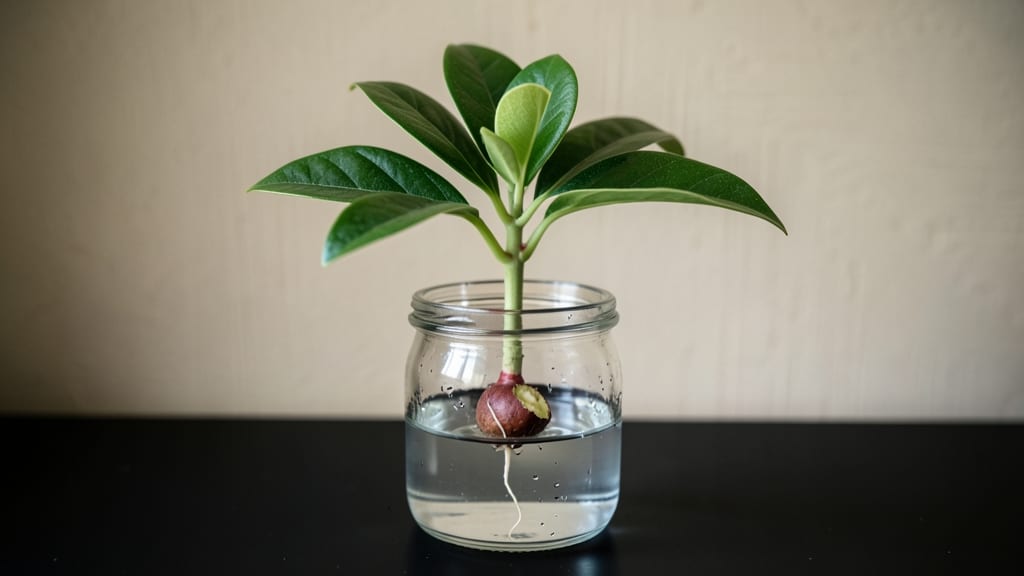
That brown avocado seed could sprout into a small tree—if you do this twist-free viability check first. 🌱 I’ve sprouted dozens of avocado seeds, and the key to success starts with a simple test to see if your seed will even grow.
Skipping this step means wasting time on a seed that’ll never sprout. The process is simpler than you think: clean the pit, insert three toothpicks at equal angles, suspend it over water, and wait. Within 2-4 weeks, roots should appear—or you’ll know it’s time to try another seed.
No fancy equipment needed, just patience and a sunny windowsill. Once roots reach 3-4 inches, you’ll transplant into soil and watch leaves unfurl. The first real leaves signal success, and within a year, you could have a 3-foot-tall houseplant.
It’s a living science experiment your kids will love watching grow. Common pitfalls? Overwatering (moldy pits are a red flag) or impatience (some seeds take longer). Stick with it—even a slow starter can surprise you with lush, glossy foliage. Here’s how to do it right the first time.
📚 In This Guide
- What you need
- Instructions
- Tips and common mistakes
- Wrapping up and next steps
What you need
- ● Avocado seed: A fresh, firm pit from a ripe avocado (avoid soft or moldy seeds!)
- ● Toothpicks (3-4): For suspending the seed over water (or a small skewer if toothpicks aren’t handy).
- ● Glass or jar: A clear container (8–16 oz) with a wide enough opening to fit the seed.
- ● Water: Room-temperature, filtered or tap water (changed every 2–3 days).
- ● Paper towels or coffee filters: To keep the seed moist while preventing rot.
- ● Scissors or knife: For trimming toothpicks or cleaning the seed.
- ● Patience! Sprouting can take weeks—consistency is key.
- ● Hydroponic kit: For a more controlled environment (great for beginners!).
- ● Planting soil: Well-draining potting mix (cactus/succulent mix works well).
- ● Spray bottle: To mist the seed gently without over-saturating.
- ● Humidity dome: A plastic bag or cloche to retain moisture during early growth.
- ● Grow lights: If sprouting in low-light areas (LED or fluorescent bulbs work).
Step-by-step guide to testing avocado seed viability
Skip the guesswork—this method tells you in days whether your seed will grow.
🌱 Step 1: Select and Prepare the Seed
Start with a fresh avocado pit—older seeds rarely sprout. Rinse it under cool water to remove any remaining fruit flesh, then let it dry completely on a paper towel. You'll need a clean, dry seed with no mold or soft spots. I always check for cracks or dark discoloration, which means the seed is already damaged.
Here's the thing—don't worry about the size. Even if your pit feels small, it might still sprout. The key is freshness, not dimensions. Once dry, you're ready for the next step where we test viability without planting.
💧 Step 2: Set Up the Water Viability Test
Fill a glass with 3-4 inches of water at room temperature. The pit should float—this is normal. If it sinks, gently press it down just until it's submerged. Place 4 toothpicks evenly around the top of the seed, with each toothpick touching the rim of the glass. This keeps it stable and prevents it from touching the bottom.
You'll see the seed stay afloat for days. The toothpicks are critical—they hold it at the water's surface, where roots will eventually emerge. Change the water every 2-3 days to prevent bacterial growth. Watch for the first sign of life: a small bump or crack near the bottom of the pit.
☀️ Step 3: Monitor for Root Growth (The Viability Check)
After 7-14 days, check for a ½-inch root growing from the bottom of the seed. This is your green light—the seed is viable and ready to plant. If no root appears after 3 weeks, the seed is likely dead. I've tested dozens this way, and the root growth is the only sign you need.
Don't worry if the root grows long before you're ready to plant. You can keep it in water indefinitely as long as you change the water regularly. Just watch for any foul smell or cloudiness—that means it's time for a fresh water change. Healthy roots will be firm and white, not mushy or brown.
🪴 Step 4: Plant the Viable Seed (When Ready)
Once your seed has a ½-inch root, it's time to plant. Fill a 6-inch pot with well-draining potting mix (never garden soil). Make a 1-inch deep hole in the center and place the seed so that half is buried and half remains above soil. The root should dangle into the hole.
Gently pat the soil around the seed to secure it. Water lightly until the soil feels moist but not soggy. Place the pot in bright, indirect light—direct sun will scorch the seed. You'll see the first true leaves emerge in 2-4 weeks, but be patient. Some seeds take longer, especially if your home runs cooler.
⏰ Step 5: Maintain Humidity and Light for Germination
Cover the pot with a clear plastic bag to create a humid environment, but remove it daily for 10 minutes to prevent mold. Mist the soil lightly every 2-3 days to keep it consistently moist. You'll know you're doing it right when the soil stays damp but doesn't feel waterlogged.
Once the seedling reaches 6 inches tall, it's ready for its first pruning. Pinch off the top set of leaves to encourage bushier growth. This is also the time to move it to a sunnier spot, gradually increasing light exposure over 1 week to avoid shock. With proper care, your avocado seedling could grow into a tree for years to come!
Tips & tricks for avocado seed sprouting success
These practical insights will help you avoid common pitfalls and maximize your seed's growth potential.
Seed Selection: The freshness of your avocado pit is everything. Look for seeds that still have some moisture and feel firm to the touch. I've found that seeds from Hass avocados sprout best—they're the most common and reliable variety. If your seed has any cracks or dark spots, it's already compromised and won't sprout. Confession: I skipped this step once and wasted weeks waiting for a seed that was already dead.
Water Quality: Use filtered or bottled water for your viability test—tap water can contain chlorine or other chemicals that might inhibit root growth. The water level should stay at 3-4 inches consistently. I've noticed that distilled water works even better because it has no minerals that could affect germination. Change the water every 2-3 days to prevent bacterial buildup, but don't overdo it—too frequent changes can shock the developing root.
Toothpick Placement: The toothpicks are your secret weapon for stability. Place them evenly around the seed's equator, not the top or bottom. If you position them too high, the seed might tip over; too low, and it won't stay properly submerged. I learned this the hard way when my first attempt had toothpicks too close together, causing the seed to wobble uncontrollably in the water.
Root Growth Timeline: While the instructions mention 7-14 days for root appearance, I've seen variations based on room temperature. In cooler homes (below 65°F), roots may take up to 3 weeks to emerge. If your kitchen stays warm (above 75°F), you might see roots in as little as 5-7 days. The key is patience—don't give up if you don't see immediate results.
Pro Tips for Avocado Seed Sprouting
- These practical insights will help you avoid common pitfalls and maximize your seed's growth potential.
- Seed Selection: The freshness of your avocado pit is everything.
- Water Quality: Use filtered or bottled water for your viability test—tap water can contain chlorine or other chemicals that might inhibit root growth.
Frequently asked questions
Got questions about sprouting your avocado seed? You’re not alone!
Here are some of the most common queries—and their straightforward answers—to help you navigate the process like a pro.
How long does it take for an avocado seed to sprout?
Patience is key! Most avocado seeds take 2–6 weeks to sprout after planting, depending on warmth, moisture, and humidity. Keep the soil consistently damp (not soggy) and place it in a bright, indirect light spot. If nothing happens in 8 weeks, the seed may not be viable—try another!
Why isn’t my avocado seed sprouting?
Don’t panic—common culprits include overwatering (root rot), dry soil, or low humidity. Check for mold or a foul smell (a red flag!). Ensure your seed has 1–2 inches of roots before planting—if it’s bare, it may not have the energy to sprout. Try soaking the seed overnight to rehydrate it.
Can I plant the seed if it’s already sprouting?
Once you see green shoots (1–3 inches tall) and roots 2+ inches long, it’s time to transplant. Use a small pot with drainage and well-draining soil. Water lightly after planting to avoid shocking the delicate roots. Pro tip: Place a plastic bag loosely over the pot to retain humidity for the first week!
What’s the best way to check if an avocado seed is still alive?
Test viability with the “float test”: Fill a bowl with water—if the seed floats, it’s likely dead (or hollow). If it sinks, it’s still alive! For extra confirmation, gently tap the seed: a solid thud means it’s good to go. No tap? Time to grab a new seed!
Can I grow an avocado tree indoors?
Yes! Avocado trees thrive indoors with bright, indirect light (a south-facing window is ideal). Keep the soil moist but not waterlogged, and rotate the pot weekly for even growth. Expect slow growth—it may take years to bear fruit indoors. For faster results, transplant outdoors in a warm, frost-free climate once established.
Wrapping up and next steps
Sprouting an avocado seed is more than just a fun science experiment—it’s your first step toward nurturing a thriving plant! By mastering the twist-free viability check, you’ve unlocked the secret to ensuring your seed has the best chance of growing strong.
Whether you’re dreaming of a lush backyard tree or just love the magic of watching life sprout, your patience and care will pay off.
Ready to take the next step? Plant that sprouted seed in soil and watch it grow into a vibrant avocado tree—your green thumb is about to shine! 🌱✨