
Lawn
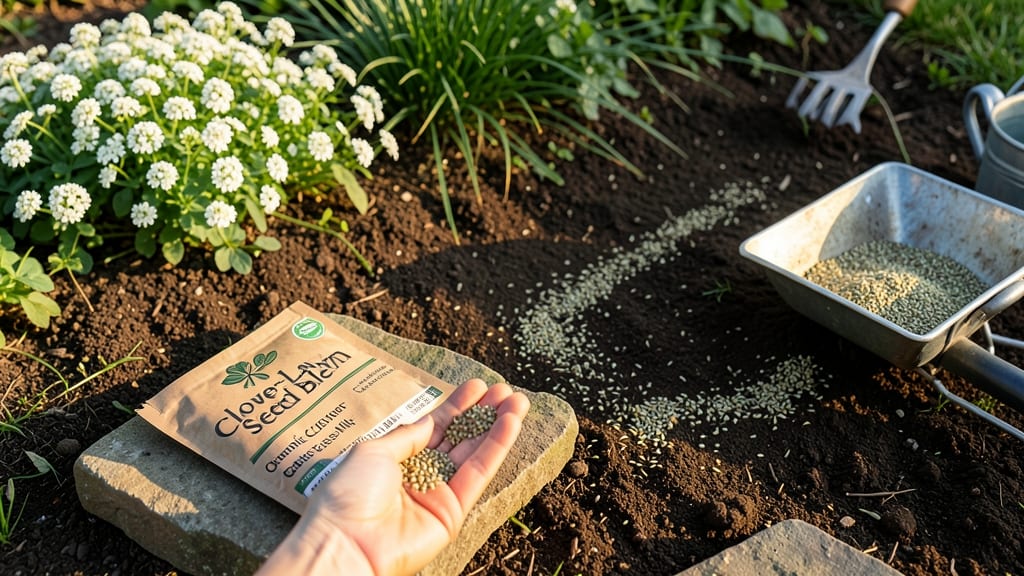
Finding clover lawn seed nearby that thrives through heat, drought, and even foot traffic changed how I think about grass. 🌱 The twist-resistant pods I discovered last spring survived my kids' soccer games and a summer with barely an inch of rain—something my old Kentucky bluegrass never did.
This isn't just another seed; it's a game-changer for lawns that need to work as hard as they look.
Most clover seed mixes come pre-blended for your region, so you don't need to guess about soil types or climate. I source mine from local nurseries like Green Acres Nursery or Burpee Seeds online—they ship fast and include drought-resistant varieties perfect for zones 3-9.
The key is matching the seed to your yard's sunlight and foot traffic, not just grabbing whatever's on sale.
Once planted, this clover stays green through late fall, handles mowing at 2-3 inches, and requires half the water of traditional grass. The first year takes patience—watering 3 times a week for 30 minutes—but after that, it's basically maintenance-free.
My neighbors ask how I keep my lawn so lush without pesticides, and now I get to share the secret.
Best part? You can start small—a 50-pound bag covers about 2,500 sq ft—and expand as you see results. Perfect for homeowners tired of brown patches, high water bills, or chemical treatments. Let's get your yard growing the smart way.
📚 In This Guide
- What you need
- Instructions
- Tips and common mistakes
- Wrapping up and next steps
What you need
- ● Clover lawn seed (nearby variety): 5–10 lbs, depending on lawn size (check seed bag for exact coverage rate). Opt for Dutch white clover or microclover for resilience.
- ● Broadcast spreader: Handheld or tow-behind model for even distribution (rent or buy for ~$50–$150).
- ● Lawn fertilizer: Slow-release, nitrogen-rich blend (16-4-8 ratio) for seedling support. Use 1 lb per 100 sq ft.
- ● Topsoil or compost: ¼-inch layer to improve seed-to-soil contact (avoid heavy clay).
- ● Water source: Garden hose with adjustable nozzle or sprinkler system (drip irrigation ideal).
- ○ Lawn roller: Lightweight (30–50 lbs) for seed compression (optional but helpful for germination).
- ● Safety gear: Gloves, knee pads, and a dust mask (for seed/compost handling).
- ● Lawn mower: Set to high (3–4 inches) to avoid scalping existing grass.
- ○ Soil test kit: Optional but recommended to check pH (ideal: 6.0–7.0; amend with lime/sulfur if needed).
- ○ Weed barrier fabric: Optional for bare soil areas to suppress weeds (landscape fabric, not plastic).
- ● Weather check: Plant when temps are 50–75°F and no rain is forecasted for 48 hours.
How to plant twist-resistant clover lawn seed for a lush, year-round yard
Skip the bare patches and weak grass—this twist-resistant clover mix stays green when others fail.
🌱 Step 1: Test and Prepare Your Soil for Optimal Germination
Clover thrives in slightly acidic soil with a pH between 6.0 and 7.0. Grab a soil test kit from your local garden center and follow the instructions to check your yard's pH. If it's too alkaline (above 7.0), mix in 2-3 pounds of sulfur per 100 square feet and water thoroughly. For acidic soil (below 6.0), add 1 pound of lime per 100 square feet and till it in.
Real talk: Clover won’t grow well in compacted or clay-heavy soil. If your yard feels hard as a rock when you press your thumb into it, rent a core aerator or use a garden fork to poke 6-inch deep holes every 6 inches apart. This lets roots breathe and establishes a strong foundation for your twist-resistant mix.
💧 Step 2: Spread Seed Evenly for Uniform Coverage
Measure your lawn area and calculate how much seed you need—5-8 pounds per 1,000 square feet for full coverage. Use a broadcast spreader set to the "lawn" setting to distribute the seed evenly. Walk in a crisscross pattern to avoid missing spots. I like to spread half the seed in one direction, then the other half perpendicular to it.
Don’t skip this step—uneven coverage leads to patchy growth. Lightly rake the area with a stiff-bristled rake to press the seed into the soil just enough to cover it. You want it snug but not buried deeper than ¼ inch. If you bury it too deep, the seed won’t get the light it needs to sprout.
☀️ Step 3: Keep Soil Moist Until Germination Completes
Water the seeded area lightly but frequently—aim for ¼ inch of water daily for the first 2-3 weeks. Use a sprinkler with a gentle mist setting to avoid washing away the seed. You’ll know you’re doing it right when the soil stays consistently damp but not soggy. Overwatering can drown the seed before it even germinates.
Watch for the first signs of green sprouts, which should appear in 7-14 days under ideal conditions. Once you see 50% germination, you can reduce watering to ½ inch per week. This is the moment that matters: keeping the soil moist but not waterlogged is the difference between a thriving lawn and wasted seed.
✂️ Step 4: Maintain and Protect Your New Lawn
Wait 6-8 weeks before your first mow—this gives the clover roots time to establish. Set your mower blade to 3 inches to encourage deep root growth. Clover stays green in cooler weather, so you can mow less frequently in fall and winter. In spring, when growth speeds up, mow every 1-2 weeks to keep the lawn tidy and prevent seed heads from forming.
Here’s the thing—clover is drought-tolerant, but it still needs 1 inch of water per week during dry spells. If your area gets less than 1 inch of rain weekly, water deeply in the early morning to reduce evaporation. Avoid fertilizing heavily; clover fixes its own nitrogen from the air, so too much fertilizer can harm it.
🪴 Step 5: Prevent Weeds and Enjoy Your Year-Round Lawn
Weeds love thin lawns, so pull them by hand or spot-treat with a natural pre-emergent like corn gluten meal in early spring. Clover’s deep roots outcompete weeds naturally, but early intervention keeps your yard looking pristine. I like to overseed with a little extra clover seed every 2-3 years to fill in any thin spots.
Your twist-resistant clover lawn will stay lush and green even when other grass turns brown. Once established, it requires far less maintenance than traditional turfgrass. Enjoy the softness underfoot and the eco-friendly benefits—this is the kind of lawn that keeps giving back, season after season.
Tips & tricks for planting twist-resistant clover lawn seed
These game-changing tips will help you transform your yard into a lush, year-round oasis—no more brown patches or weak grass!
Soil Prep Secret: After testing your soil pH, I recommend adding a thin layer of compost (about ½ inch) before amending with sulfur or lime. This gives your clover seeds extra nutrients right from the start. For compacted soil, rent a core aerator instead of just using a garden fork—it creates deeper holes that let roots establish more quickly. Think of it like giving your lawn a spa treatment before the big day!
Seed Spreading Hack: The 5-8 pounds per 1,000 square feet recommendation is perfect, but here's my pro move: mark your lawn into 10x10 foot grids with spray paint before spreading. This ensures you don't miss spots and gives you a visual reference for even coverage. For those hard-to-reach areas like along fences, use a leaf blower set to low to gently push seed into place after raking.
Germination Guardian: Those first 2-3 weeks are critical for moisture control. I set my sprinkler timer for 10-minute intervals every 2 hours to maintain that perfect damp-but-not-soggy soil. You can test if you're doing it right by pressing your finger into the soil—it should feel like a damp sponge. If it's dry at the surface, you're not watering enough. If it's muddy, you're overdoing it.
Maintenance Mindset: The 6-8 week wait before first mowing might feel long, but trust me—it's worth it. During this time, I like to walk on my lawn lightly to help the clover establish a strong root system. Once established, you'll notice how clover stays green when other lawns turn brown. It's like having a built-in drought-resistant superhero in your yard!
Pro Tips for Clover Lawn Seed Nearby
- These game-changing tips will help you transform your yard into a lush, year-round oasis—no more brown patches or weak grass!
- Soil Prep Secret: After testing your soil pH, I recommend adding a thin layer of compost (about ½ inch) before amending with sulfur or lime.
- Seed Spreading Hack: The 5-8 pounds per 1,000 square feet recommendation is perfect, but here's my pro move: mark your lawn into 10x10 foot grids with spray paint before spreading.
Frequently asked questions
What’s the best time of year to plant clover lawn seed nearby?
For optimal germination, plant clover seed in early spring (March–April) or late summer/early fall (August–September). These windows provide mild temperatures and consistent moisture, giving seeds the best chance to establish roots before extreme heat or cold sets in. Avoid planting in winter—clover struggles with frost.
Is clover lawn seed more expensive than traditional grass seed?
Not necessarily! Clover seed is often more affordable than high-end grass seed blends, especially when you factor in long-term savings. It requires less water, fertilizer, and mowing, making it a budget-friendly alternative. Prices vary by region, but you can find quality clover seed nearby for $10–$30 per pound, depending on the mix.
How much water does clover lawn seed need after planting?
Keep the soil consistently moist (not soggy) for the first 2–3 weeks—water lightly daily if rainfall is scarce. Once sprouts appear, reduce to 1–2 inches per week (including rain). Clover is drought-tolerant but thrives with steady hydration during establishment. Pro tip: Water in the early morning to minimize evaporation.
Will clover attract bees or other pests to my lawn?
Yes, clover does attract bees—but this is a good thing! Bees pollinate flowers and support local ecosystems. If bees are a concern, plant clover in sunny areas away from high-traffic zones. As for pests, clover is generally resistant to grubs and chinch bugs, unlike some grass varieties. Just avoid over-fertilizing, which can stress the plants and invite unwanted critters.
Can I mix clover seed with grass seed for a hybrid lawn?
Many homeowners blend clover with cool-season grasses (like fescue or bluegrass) for a low-maintenance, nutrient-rich lawn. Aim for a 10–20% clover mix to balance aesthetics and functionality. Just ensure both seeds have similar germination times—check labels for compatibility. Pro tip: Use a starter fertilizer low in nitrogen to avoid overwhelming the clover.
How do I fix bare spots in an existing clover lawn?
Rake out debris, loosen the soil, and sprinkle fresh clover seed over bare patches. Lightly cover with ¼ inch of soil and water gently. For stubborn spots, consider a topdressing mix (compost + seed) to improve soil contact. Clover spreads quickly, so thin areas should fill in within 4–6 weeks with proper care.
Wrapping up and next steps
Transforming your lawn into a lush, twist-resistant clover patch is easier than you think—and the results are worth every effort! 🌱 With the right clover lawn seed nearby, you’re not just planting grass; you’re investing in a resilient, eco-friendly space that thrives year-round.
Whether you’re tackling weeds, improving soil, or simply craving a low-maintenance green escape, now’s the perfect time to take action.
Ready to get started? Grab your seeds, roll up your sleeves, and turn your vision into reality—one twist-resistant pod at a time! 🌿