
Lawn
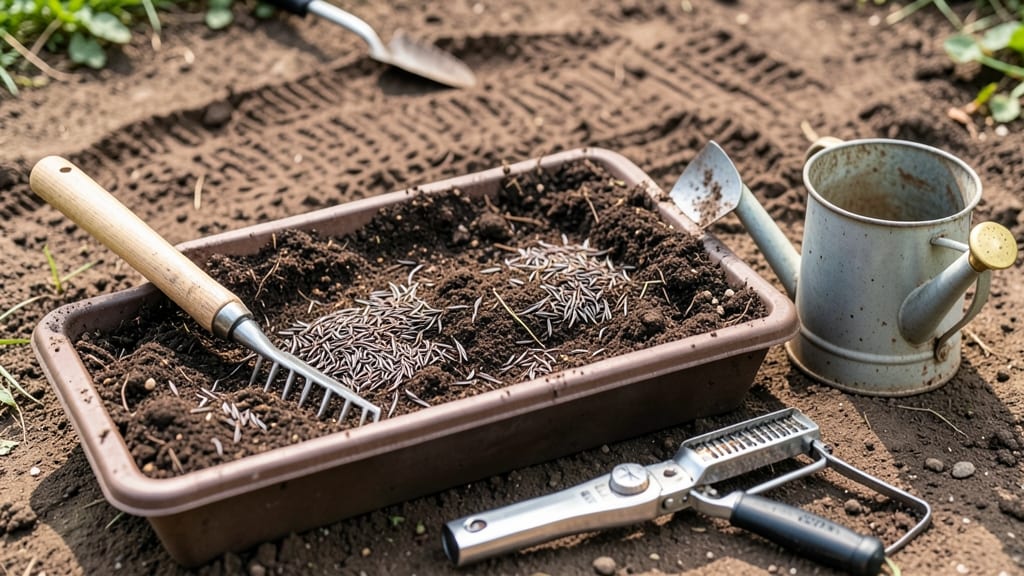
Planting grass seed in autumn gives your lawn a head start on spring—roots toughen up in cool weather while summer heat fades. 🌱 I learned this the hard way after my spring seeding failed when the soil was still too cold.
The secret isn’t just timing; it’s preparing the soil right and choosing seeds that thrive in your climate. Autumn’s mild temperatures mean seeds germinate faster and establish stronger roots before winter dormancy. You’ll need a rake, seed, and a light layer of topsoil—no fancy equipment.
The key is working when daytime temps hover around 60-75°F and nights stay above 40°F, usually late August to early October in most regions. By spring, you’ll have a lush, even lawn that outcompetes weeds naturally.
The grass grows deeper roots than spring plantings, so it handles drought and foot traffic better. Just avoid walking on new seed until it’s 3-4 inches tall—patience pays off. This works for cool-season grasses like fescue and ryegrass, which make up most lawns. Warm-season grasses? Skip autumn—spring’s their time.
Here’s how to nail it your first time.
📚 In This Guide
- What you need
- Instructions
- Tips and common mistakes
- Wrapping up and next steps
What you need
- ● Grass seed: Choose cold-hardy varieties like tall fescue, Kentucky bluegrass, or perennial ryegrass (10–20 lbs per 500 sq ft, depending on desired density).
- ● Soil amendment: Compost or organic matter (2–3 inches spread evenly) to improve soil structure and fertility.
- ● Fertilizer: A fall-specific blend (10-0-10 or 16-4-8) (apply 0.5–1 lb nitrogen per 1,000 sq ft).
- ● Water: At least 1–2 inches per week (rain or irrigation) for the first 4–6 weeks post-planting.
- ● Lawn mower (sharp blades!) – Set to 3–4 inches high before seeding.
- ● Rake or dethatcher: Metal rake (for heavy thatch) or stiff-bristle rake (for light prep).
- ● Broadcast spreader: Manual or drop-type for even seed distribution.
- ○ Handheld spreader (optional):strong> – Useful for edges or small areas.
- ○ Soil test kit (optional):strong> – Check pH (ideal: 6.0–7.0) before amending.
- ● Weather window: Plant when daytime temps are 60–75°F and nights stay above 40°F for 4–6 weeks.
- ● Soil temp: Aim for 50–65°F (use a soil thermometer if unsure).
- ● Clear schedule: Block time for prep (1–2 days), seeding (half-day), and watering (weekly commitment).
Instructions for autumn grass seed planting
Fall is the perfect time to plant grass seed—cooler temps and steady rain help roots establish before winter.
🌱 Step 1: Prepare the Soil for Optimal Germination
Start by removing any existing grass or weeds using a sod cutter or by hand. I like to loosen the top 4 inches of soil with a rake or tiller to create a seed-friendly bed. The goal is to break up compacted soil so water and roots can penetrate easily.
Test the soil pH—ideal for most grasses is between 6.0 and 7.0. If your soil is too acidic or alkaline, add lime or sulfur as needed. Work the amendments into the top 2-3 inches of soil and rake smooth. A level surface ensures even seed distribution and contact with the soil.
💧 Step 2: Choose the Right Seed and Plant at Peak Conditions
Select a grass seed blend suited for your climate and sun exposure. Cool-season grasses like fescue, ryegrass, and bluegrass thrive when planted in late summer to early fall, ideally 6-8 weeks before the first hard frost. This gives roots time to establish before winter dormancy.
Scatter the seed evenly using a broadcast spreader or by hand. I like to walk in two directions—first north to south, then east to west—to ensure full coverage. Lightly rake the seed into the soil just enough to cover it (¼ inch deep), but don’t bury it too deeply. This ensures good soil contact while allowing sunlight to reach the seedlings.
☀️ Step 3: Water Consistently for Strong Root Development
Water immediately after planting to settle the seed into the soil. Keep the top 2 inches of soil consistently moist for the first 2-3 weeks—this is critical for germination. I set up a gentle sprinkler on a timer to water 2-3 times daily for short durations, avoiding heavy soaking that can wash away seed.
Once seedlings reach 2-3 inches tall, gradually reduce watering to 1 inch per week, including rainfall. This encourages deeper root growth. Avoid walking on the new grass until it’s at least 3 inches tall—compaction can stunt young roots.
✂️ Step 4: Maintain and Protect Until Spring
Apply a thin layer of straw mulch (¼ inch) to retain moisture and protect seedlings from temperature swings. Avoid thick mulch, which can smother young grass. In late fall, reduce watering to allow the grass to enter dormancy naturally—this hardens the roots for spring.
If winter brings snow, leave it on the lawn—it acts as insulation. In early spring, remove any thick mats of debris and resume watering as new growth appears. You’ll see the first signs of revival in 3-4 weeks, proving your autumn prep paid off.
Tips & tricks for perfect autumn grass seed planting
Here's what nobody tells you about getting your lawn off to the best possible start this fall.
Soil Prep Secret: After loosening that top 4 inches of soil in Step 1, run your hands through it to check for clumps. Break up any remaining compacted soil with your fingers—this ensures even seed-to-soil contact. I've seen seeds fail to germinate simply because they couldn't make proper contact with the soil. A quick hand check takes 30 seconds but makes all the difference.
Timing is Everything: That 6-8 week window before first frost in Step 2 is your golden opportunity. If you're unsure when frost will hit, check your local weather service for the average first frost date. Planting too early (more than 8 weeks before) can cause seeds to sprout and then get fried by summer heat, while planting too late means roots won't establish before winter. Aim for early September in most climates.
Watering Wisdom: During those critical first 2-3 weeks in Step 3, I recommend setting up your sprinkler in the evening when temperatures drop. This reduces evaporation and gives seeds a chance to absorb moisture overnight. Morning watering can lead to fungal issues from prolonged wetness during warm daytime hours. A light misting is better than heavy soaking—think "damp sponge" rather than "soaked towel."
Mulch Matters: When applying that ¼ inch straw mulch in Step 4, use a lightweight straw rather than hay (which can contain weed seeds). Spread it evenly with your hands—don't just dump it in piles. The mulch should look like a light dusting of snow, not a winter blanket. This thin layer protects without suffocating your young seedlings.
Pro Tips for Grass Seed Autumn
- Here's what nobody tells you about getting your lawn off to the best possible start this fall.
- Soil Prep Secret: After loosening that top 4 inches of soil in Step 1, run your hands through it to check for clumps.
- Timing is Everything: That 6-8 week window before first frost in Step 2 is your golden opportunity.
Frequently asked questions
Got questions about planting grass seed in autumn?
You’re not alone! Here are some of the most common concerns—plus expert answers to help you nail that fall lawn prep like a pro.
When is the exact best time to plant grass seed in autumn?
The sweet spot is 4–6 weeks before your first hard frost—typically mid-to-late September in most U.S. regions. Cool temps (50–65°F) and shorter daylight hours encourage strong root growth without stressing seedlings. Check your USDA Plant Hardiness Zone for local timing!
Can I plant grass seed if frost is already happening?
Nope! Frost kills tender grass seedlings. Wait until daytime temps stay above 50°F consistently. If frost hits, cover new seed with a lightweight frost blanket (not plastic) to protect it until spring. Better to delay than risk losing your investment.
Is autumn seeding cheaper than spring planting?
Yes—up to 30% cheaper! Fewer competitors mean lower seed prices, and you’ll avoid spring’s rush (or summer’s extreme heat). Plus, cooler weather reduces watering needs, saving you money long-term. Pro tip: Buy seed in bulk now for even better deals.
What if my lawn has weeds? Can I still seed in autumn?
Autumn is the best time to tackle weeds before seeding. Mow short, then apply a pre-emergent herbicide (like corn gluten meal) 2–3 weeks before planting. Avoid post-emergent sprays—they’ll kill your new grass too.
My soil looks rocky/clay-heavy. Should I skip autumn seeding?
Not at all! Autumn’s the perfect time to prep tough soil. Loosen the top 2–3 inches with a rake or aerator, then mix in compost or sand to improve drainage. Cool temps help amendments break down faster—just seed after tilling. Bonus: Test your soil’s pH (aim for 6.0–7.0) for best results.
What do I do if my seed doesn’t germinate?
Don’t panic! Check these first:
- Moisture: Keep soil damp (not soggy) for 10–14 days.
- Depth: Seed should be ¼-inch deep max.
- Sunlight: Seedlings need 4–6 hours of sun daily.
- Temp: If too cold (<40°F), wait or use a seedling blanket.
Wrapping up and next steps
Autumn is your golden opportunity to sow the seeds of a lush, resilient lawn—one that will burst into life next spring!
By choosing the right grass seed varieties, preparing your soil, and planting at the ideal time, you’re setting your lawn up for success. Cold-hardened roots mean fewer weeds, deeper greens, and less maintenance come springtime.
Ready to take the next step? Grab your tools, pick your seed mix, and get planting! Your future lawn will thank you—literally. 🌱✨