
Size
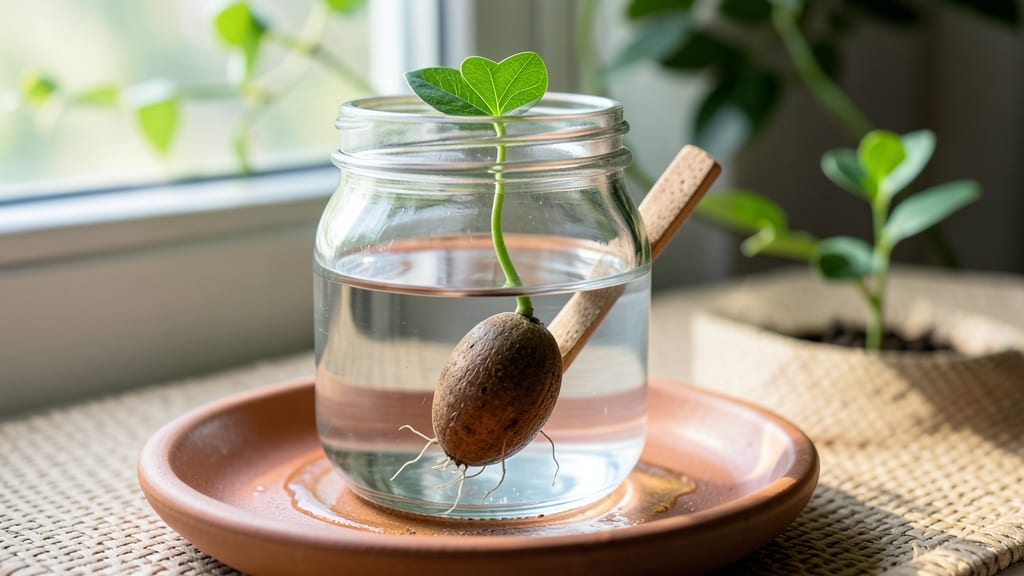
Growing a mango seed in water is the easiest way to start your tropical dream tree. 🌱 The key is patience—those first roots take 2-3 weeks to appear, but once they do, you’ll be hooked on watching them grow.
I’ve sprouted three mango trees this way, and every time, the moment the roots peek out feels like magic. You only need three things: a fresh, plump mango seed, a clear glass, and clean water.
Skip the fancy setups—just place the seed in water, change it every 2-3 days, and keep it in bright, indirect light. The hardest part? Resisting the urge to rush the process—root rot is the biggest enemy, so never let the water get murky.
By week 4, you’ll see 1-2 inch roots and maybe even a tiny sprout. That’s when you’ll know you’re on the right track.
The real payoff comes when you transplant it to soil—suddenly, you’re not just growing a plant, you’re nurturing a future tree that could bear fruit in 3-5 years. This method works for any tropical seed, and the best part? You can do it on a windowsill or kitchen counter.
Just remember: consistency beats intensity. Here’s how to keep those roots thriving until they’re ready for dirt.
📚 In This Guide
- What you need
- Instructions
- Tips and common mistakes
- Wrapping up and next steps
What you need
- ● 1 fresh mango seed – Choose a seed from a ripe, organic mango (avoid seeds from store-bought fruit treated with preservatives).
- ● 1 clear glass or jar – A wide-mouth glass (8–12 oz) works best to monitor root growth.
- ● Room-temperature water – Use filtered or distilled water to avoid chlorine or contaminants.
- ○ 1 small plate or lid – To cover the glass and create a humid environment (optional but helpful for faster sprouting).
- ● Patience and sunlight – A sunny windowsill or grow light (if natural light is limited).
- ○ Rooting hormone – Speeds up germination (optional for faster results).
- ● Coconut coir or paper towels – For wrapping the seed to encourage faster sprouting.
- ● Small pot with well-draining soil – Needed once roots reach 2–3 inches (for transplanting).
- ● Fertilizer (diluted) – A balanced liquid fertilizer (like 10-10-10) for young seedlings.
- ● Humidity dome or plastic wrap – Helps maintain moisture during early growth.
Step-by-step instructions for growing mango seeds in water
Here's how to turn a single mango pit into a thriving seedling—no soil required.
🌱 Step 1: Prepare the Mango Seed for Germination
Start with a fresh, plump mango pit—older seeds germinate poorly. Rinse it thoroughly under running water to remove any fruit residue, then dry it completely with a paper towel. This prevents mold from forming in the water.
Place the pit between two paper towels, fold them over, and set it in a small plastic bag. Store it in a warm, dark spot like your pantry or near the fridge. Check daily—you'll see roots emerge in 1-2 weeks when the seed feels light and wobbly.
Real talk: If you're impatient, soak the pit in warm water for 24 hours first. I've found this speeds up germination by a few days, especially in cooler climates. Just don't let it sit longer or the seed may rot.
💧 Step 2: Set Up the Water Propagation Station
Fill a clear glass or jar with 2-3 inches of room-temperature water. Use filtered or distilled water if possible—tap water with chlorine can stunt early growth. Place the germinated seed (roots-down) into the water, ensuring only the bottom half is submerged.
Position the container in bright, indirect light—a kitchen windowsill works perfectly. Direct sun will overheat the water and cook the delicate roots. You'll see new growth within 7-10 days, marked by tiny leaves unfurling at the top.
Here's the thing—change the water every 3-4 days to prevent bacterial growth. I like to use a turkey baster to gently remove old water before refilling, which keeps the seed stable while refreshing the environment.
☀️ Step 3: Transition to Soil When Roots and Leaves Form
Once the seedling has 2-3 inches of roots and 2-3 sets of leaves (about 3-4 weeks total), it's ready for soil. Fill a 4-inch pot with well-draining potting mix—mango seedlings hate soggy roots.
Make a small hole, gently remove the seedling from water, and plant it so the soil line sits just below where the roots began. Press lightly around the base to secure it, then water thoroughly until moisture runs from the drainage hole.
Don't rush this step. I've seen seedlings shock and wilt if transplanted too soon—wait until you see robust new growth after water changes. Once in soil, keep the mix consistently moist but never waterlogged.
🌿 Step 4: Care for Your Seedling's First Month
Place the potted seedling in bright, indirect light for 2-3 weeks while it adjusts. Gradually introduce more sun—mango trees need 6+ hours daily once established. You'll know it's happy when new leaves appear every 2-3 weeks.
Fertilize lightly with a balanced houseplant food (half-strength) when you see 4-5 true leaves. Overfeeding now will burn delicate roots. I use a spray bottle to apply fertilizer, which prevents soil splash on tender foliage.
Watch for leggy growth—a sign of insufficient light. If stems stretch toward the window, rotate the pot daily so it grows straight. Mango seedlings grow fast once they're settled, so stay vigilant about moisture and light.
Tips & tricks for growing mango seedlings in water
Common pitfalls—and how to sidestep every one when growing your mango seedling.
Seed Selection: Don't grab just any mango pit—look for one that's fresh, plump, and free of cracks. I've found that pits from ripe, organic mangoes germinate best. If your pit feels unusually light or hollow when tapped, it's likely too old and won't sprout. Confession: I skipped this step for years and wondered why my seeds never grew!
Germination Environment: The warm, dark spot you choose matters more than you think. I've had the most success with spots around 75-80°F—near the fridge or on top of the refrigerator works perfectly. If your kitchen is cooler, place the bag near a sunny window during the day and move it to a warmer spot at night. The 1-2 week germination window can stretch to 3 weeks in cooler conditions.
Water Quality and Maintenance: Tap water with chlorine can stunt growth, so filtered or distilled water is ideal. When changing the water every 3-4 days, I recommend using a turkey baster to gently remove the old water—this prevents disturbing the delicate roots. You'll notice the water turns cloudy as roots grow; this is normal, but murky water means it's time for a refresh.
Transplant Timing: Wait until you see 2-3 inches of roots AND 2-3 sets of leaves before transplanting—this usually takes about 3-4 weeks total. I've seen beginners rush this step and end up with wilted seedlings. When transplanting, gently press the soil around the base to secure it without compacting the roots too tightly.
Pro Tips for Grow A Mango Seed In Water
- Common pitfalls—and how to sidestep every one when growing your mango seedling.
- Seed Selection: Don't grab just any mango pit—look for one that's fresh, plump, and free of cracks.
- Germination Environment: The warm, dark spot you choose matters more than you think.
Frequently asked questions
Got questions?
Growing a mango seed in water is simple, but every gardener has doubts! Here are answers to the most common ones to keep your mango adventure on track.
How long does it take for a mango seed to sprout in water?
A mango seed typically sprouts within 2–4 weeks when kept in warm water (70–80°F). Patience is key—some seeds take longer, especially if stored improperly. Change the water every 2–3 days to avoid mold and speed up germination.
Can I use any container to grow my mango seed in water?
Yes, but choose a clear glass or jar (like a mason jar) to monitor root growth. Avoid metal containers—they can react with water and harm the seed. A small, shallow dish with holes for drainage also works if you prefer transferring it to soil sooner.
What if my mango seed doesn’t sprout?
Don’t worry! Seeds may fail to sprout due to old age, improper storage, or poor conditions. Try these fixes:
- Soak the seed in warm water for 24–48 hours before starting.
- Check for mold or rot—discard if present.
- Use a new seed (fresh mangoes yield better results).
When should I plant the sprouted mango seed in soil?
Once the roots reach 1–2 inches long and tiny leaves (cotyledons) appear, it’s time to transplant! Use well-draining soil and keep it in a bright, indirect light spot (no direct sun yet). Water lightly to avoid shocking the delicate roots.
Can I grow a mango tree indoors?
Mango trees thrive indoors if given the right care:
- Light: Place near a south- or west-facing window for 6+ hours of sunlight daily.
- Temperature: Keep above 50°F (10°C)—they hate cold drafts!
- Humidity: Mist leaves or use a pebble tray to mimic tropical conditions.
Wrapping up and next steps
Growing a mango seed in water is a rewarding journey that connects you to nature while teaching patience and care. 🌱 With just a few simple steps—soaking, sprouting, and nurturing—you’ve unlocked the potential to grow your own mini mango tree!
Whether you’re a beginner or a plant enthusiast, this method proves that even tiny seeds can yield big results.
Now that you’ve mastered the basics, why not take it further? Transplant your sapling into soil once it’s sturdy enough, and watch it thrive under your watchful eye. Happy growing—your future mango tree is counting on you! 🌿✨