
Lawn
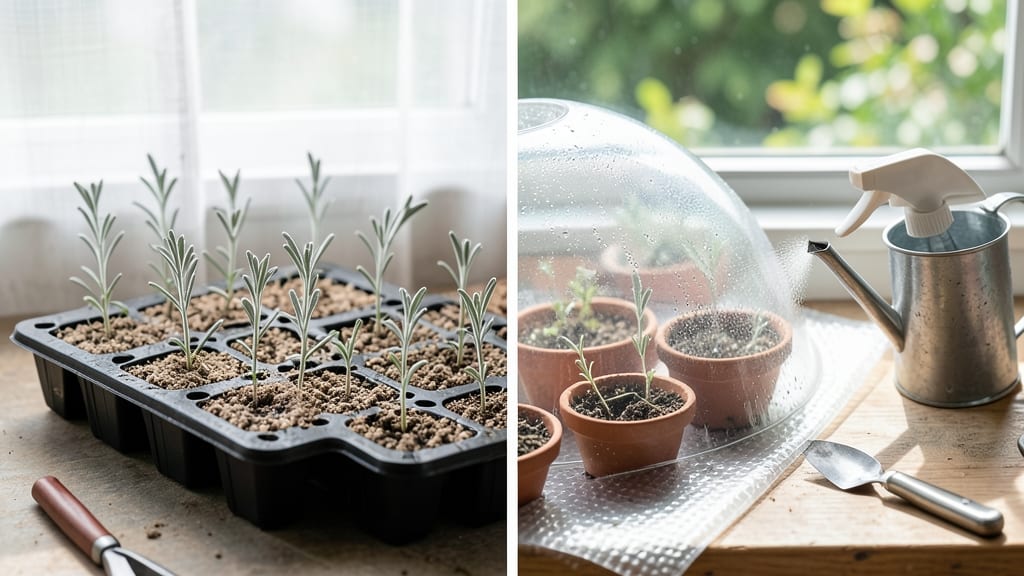
Growing lavender from seed sprouts means fragrant purple blooms in just six weeks—though the real magic starts with patience and the right conditions. 🌱 I’ve learned that lavender seeds need a cozy, moist environment to break their dormancy, and rushing the process usually backfires.
The key is mimicking their natural Mediterranean habitat: warm soil, bright light, and minimal fuss. Most gardeners overlook the soil prep, but lavender thrives in gritty, well-draining mixes—think sand and perlite blended with potting soil. Water lightly (never soggy) and keep the temperature between 60-70°F for consistent germination.
A clear plastic dome or humidity tent speeds things up, but don’t let the seeds rot—air circulation matters just as much as moisture. Once sprouts appear (usually 2-4 weeks), they’ll look delicate, but don’t be fooled—they’re tougher than they appear.
Thin seedlings to 2 inches apart to prevent competition, and introduce them to sunlight gradually. By week 6, you’ll have sturdy little plants ready for transplanting, their tiny leaves already smelling like summer. The payoff? Homegrown lavender that’s disease-resistant, drought-tolerant, and packed with fragrance—far superior to store-bought cuttings.
Just remember: seeds take longer to mature than cuttings, but the reward is worth the wait. Let’s get those sprouts started!
📚 In This Guide
- What you need
- Instructions
- Tips and common mistakes
- Wrapping up and next steps
What you need
- ● Lavender seeds: 1–2 grams (about 20–40 seeds, depending on variety). Choose English lavender or French lavender for best results.
- ● Seed-starting mix: 1–2 cups of sterile, well-draining potting soil (avoid garden soil—it can harbor pests!). Look for a mix labeled "seed-starting" or "cactus/succulent blend."
- ● Small pots or seed trays: 2–4 biodegradable pots (2–3 inches deep) or a shallow tray with drainage holes.
- ● Clear plastic dome or plastic wrap: To create a mini greenhouse effect and retain humidity.
- ● Spray bottle: For gentle watering (avoid over-saturating the soil!).
- ● Grow lights or sunny windowsill: Lavender seeds need bright light (12–16 hours/day). A grow light is ideal for indoor setups.
- ● Heat mat: Lavender seeds germinate faster in 70–75°F (21–24°C) soil. A seedling heat mat ensures consistent warmth.
- ● Fine-mesh sieve: For sifting soil to avoid compacting seeds.
- ● Tweezers: To handle tiny seeds without crushing them.
- ● Humidity tray: A shallow tray with pebbles and water to boost moisture levels.
- ● pH test kit: Lavender thrives in neutral to slightly alkaline soil (pH 6.5–7.5). Adjust with lime if needed.
Step-by-Step instructions for germinating lavender seeds
Here’s how I’ve learned to coax these finicky seeds into strong, fragrant starts—no guesswork, just proven techniques.
🌱 Step 1: Stratify Seeds for Better Germination
Lavender seeds need cold stratification to break dormancy. Place them in a sealed container with a damp paper towel, then refrigerate for 4-6 weeks. Check weekly—if the towel dries, mist it lightly. This mimics winter’s chill, signaling seeds it’s safe to sprout.
I use a small plastic bag with a twist tie to keep moisture in, but don’t overdo it—mold will kill seeds faster than cold. After 4 weeks, move the container to room temperature for 2-3 days before sowing. This gradual shift prevents shock.
💧 Step 2: Sow Seeds in Well-Draining Soil Mix
Fill small pots with a sterile seed-starting mix blended with 20% perlite or coarse sand. Lavender hates soggy roots, so drainage is critical. Press the mix down lightly—just firm enough to hold seeds but not compacted. Sow seeds ¼ inch deep (about the width of a pencil eraser).
Space seeds ½ inch apart—crowding stresses seedlings. Mist the surface with a spray bottle until the mix feels damp but not wet. Cover the pots with clear plastic wrap to retain humidity, then place in a warm (70-75°F) spot. Germination takes 2-4 weeks, so patience is key.
☀️ Step 3: Provide Indirect Light and Monitor Moisture
Once seeds sprout, remove the plastic wrap immediately—excess moisture causes damping-off. Keep seedlings under bright, indirect light (a south-facing window or grow light 4-6 inches away). Direct sun scorches tender leaves, so avoid placing them in harsh afternoon rays.
Water only when the top inch of soil feels dry—lavender seedlings wilt fast if overwatered. Use a spray bottle to mist soil gently, never pouring water directly on leaves. You’ll see first true leaves (small, narrow, and gray-green) in 4-6 weeks—that’s your cue to start hardening off.
✂️ Step 4: Thin and Harden Off for Outdoor Success
When seedlings reach 2 inches tall, thin to the strongest 2-3 per pot by snipping weaker stems at soil level. This prevents competition and strengthens remaining plants. Fertilizer isn’t needed yet—lavender thrives in lean soil, and early feeding encourages leafy growth over roots.
Begin hardening off by placing pots outside in partial shade for 1 hour daily, gradually increasing time over 7-10 days. Watch for wilting or leaf drop—if it happens, they’re not ready. Once seedlings tolerate full sun for 6+ hours, they’re ready for their permanent home in well-drained garden beds.
Tips & tricks for perfect lavender seed sprouts
These proven strategies will help you navigate lavender's finicky nature and ensure your sprouts thrive from the very start.
The Stratification Secret: For Step 1, don't rush the cold treatment—those 4-6 weeks in the fridge are non-negotiable for breaking dormancy. I've found that placing the sealed bag on a shelf in your crisper drawer (which maintains consistent humidity) works better than the main fridge compartment where temps fluctuate. After the 4-week mark, the 2-3 days at room temperature help prevent seed shock by simulating spring's gradual warming. This gradual transition is what makes the difference between seeds that sprout and those that give up.
Soil Mix Science: When preparing your sterile seed-starting mix with 20% perlite in Step 2, I recommend sifting the mix through a fine mesh screen first. This creates a more consistent texture without compacting it, which is crucial for lavender's delicate roots. After sowing, press seeds gently but firmly—just enough to make contact with the soil. Too light and they may not germinate; too heavy and you'll smother them. The ¼-inch depth is perfect because lavender seeds need darkness to sprout but won't tolerate being buried too deeply.
Light Management: In Step 3, that bright indirect light requirement is critical—lavender seedlings can't handle direct sun yet. I use a simple LED grow light on a timer for 12 hours daily, positioned 6 inches away. The key is to keep it consistent: if you notice seedlings leaning toward the light, rotate the pots daily so they grow straight. And watch for those first true leaves—they should appear within 4-6 weeks, and they'll be your signal that the seedlings are ready for their next phase. These leaves are narrower than the initial seed leaves and have a distinctive gray-green hue.
Pro Tips for Lavender Seed Sprouts
- These proven strategies will help you navigate lavender's finicky nature and ensure your sprouts thrive from the very start.
- The Stratification Secret: For Step 1, don't rush the cold treatment—those 4-6 weeks in the fridge are non-negotiable for breaking dormancy.
- Soil Mix Science: When preparing your sterile seed-starting mix with 20% perlite in Step 2, I recommend sifting the mix through a fine mesh screen first.
Frequently asked questions
Got questions about growing lavender seed sprouts?
You’re not alone—this fragrant journey can raise a few curious minds! Here are answers to the most common concerns to keep your lavender sprouts thriving and blooming beautifully.
How long does it take for lavender seeds to sprout?
Patience is key! Lavender seeds typically take 2–4 weeks to sprout, depending on temperature and moisture. Cold stratification (chilling seeds for 4–6 weeks) can speed this up. Keep soil consistently moist but not soggy—sprouts may appear sooner if you pre-soak seeds for 24 hours. Pro tip: Use a heat mat if your home runs cool!
Why aren’t my lavender seeds sprouting?
Lavender seeds are notoriously slow and finicky. Common culprits include too-warm soil (above 70°F), dry conditions, or old seeds (viability drops after 1–2 years). Try these fixes:
- Cold-stratify seeds for 4–6 weeks in the fridge.
- Use a seedling heat mat (60–65°F).
- Check for mold—dampness can kill seeds before they sprout.
Can I grow lavender sprouts indoors?
Start seeds indoors 8–10 weeks before your last frost using a sunny windowsill or grow lights (12–14 hours/day). Use well-draining soil (like a cactus mix) and keep humidity low to prevent rot. Once sprouts hit 3–4 inches, transplant them outdoors after hardening off (acclimate to outdoor temps for 1–2 weeks). Warning: Lavender hates soggy roots—use pots with drainage holes!
What’s the best alternative if lavender seeds won’t grow?
If sprouting feels like a gamble, try these low-fuss alternatives:
- Lavender cuttings: Snip 4–6 inch stems, remove lower leaves, and dip in rooting hormone. Plant in moist soil—roots form in 2–4 weeks!
- Young seedlings: Buy nursery-grown lavender (like ‘Grosso’ or ‘Munstead’) for instant blooms.
- Herb substitutes: Rosemary or thyme thrive in similar conditions if you just want fragrance.
Are lavender sprouts toxic to pets?
While lavender is non-toxic to dogs and cats, its essential oils (like those in concentrated extracts) can cause stomach upset or skin irritation if ingested in large amounts. Keep sprouts out of reach until fully grown, and avoid using lavender oil near pets. If you notice vomiting or lethargy, contact your vet. Safe tip: Grow pet-friendly herbs like catnip or basil nearby for a balanced garden!
Wrapping up and next steps
Growing lavender seed sprouts is a rewarding journey that brings fragrant blooms and natural beauty to your garden in just six weeks! With the right soil, patience, and care, you’ll soon enjoy the soothing scent and stunning purple hues lavender offers.
Whether you’re a seasoned gardener or a beginner, these delicate plants are a fantastic addition to any outdoor space.
Ready to take the next step? Start your lavender seeds today and watch your garden transform into a fragrant oasis! Share your progress with fellow plant lovers—happy growing! 🌱✨