
Planting
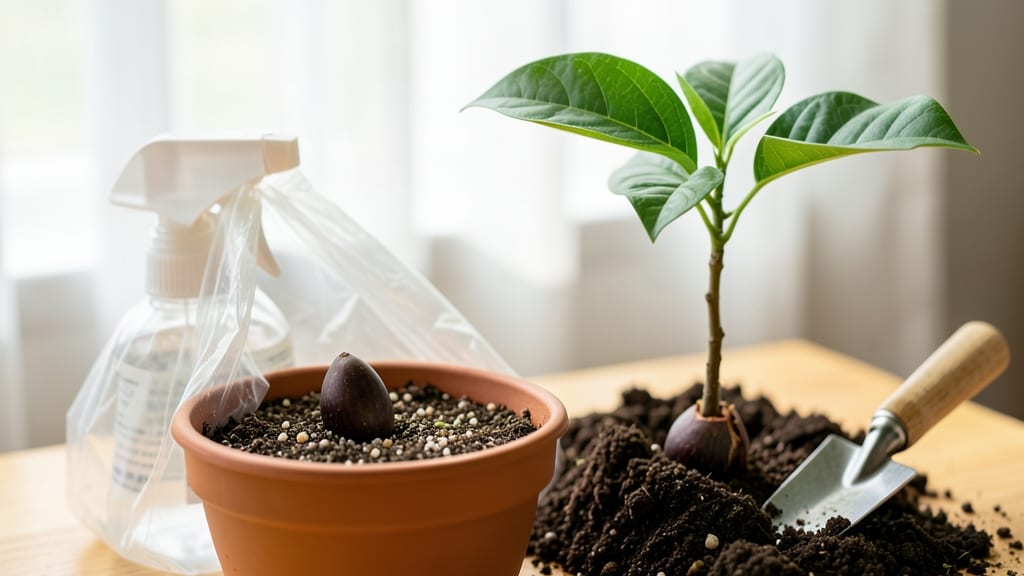
Planting a mango seed in a pot feels like holding a tiny piece of tropical magic. 🌱 The secret to fast sprouts starts with the right soil mix—light, airy, and moist enough to encourage roots without drowning them.
I’ve tried everything from potting mix to coconut coir, but the 50/50 blend of peat moss and perlite works best for me. You’ll need a small pot with drainage holes (4-6 inches deep is perfect) and a warm spot near a sunny window.
Mango seeds germinate best between 70-85°F, so if your home runs cooler, a heat mat will speed things up. Keep the soil consistently damp but never soggy—overwatering is the #1 killer of young seeds. Within 2-4 weeks, you’ll spot a tiny sprout breaking through the soil.
That first leaf is your reward for patience, and it’s just the beginning. The plant will grow slowly at first, but with the right care, it’ll reward you with glossy, tropical foliage within months. This isn’t just a science project—it’s a living connection to mango trees.
Just be ready for the long game: it takes 3-5 years to bear fruit, but the journey is half the joy. Let’s get those roots growing!
📚 In This Guide
- What you need
- Instructions
- Tips and common mistakes
- Wrapping up and next steps
What you need
- ● Mango seed: 1 fresh, plump seed (preferably from a ripe, organic mango). Avoid seeds from hybrid or grafted mangoes if you want true-to-type fruit.
- ● Small pot or container: 1 (4–6 inches in diameter) with drainage holes. Tip: Use a biodegradable pot if you plan to transplant seedlings outdoors later!
- ● Well-draining potting mix: 1 bag (look for a blend labeled "seed starting" or "cactus/succulent mix" for optimal drainage). Avoid heavy garden soil.
- ● Spray bottle: 1 (for gentle watering). A fine mist setting helps prevent seed rot.
- ● Plastic wrap or humidity dome: 1 sheet (to create a mini greenhouse effect). A clear plastic bag with holes punched in it works too!
- ● Toothpick or pencil: 1 (for marking seed orientation).
- ○ Seedling heat mat: 1 (optional but speeds up germination if your home is chilly). Aim for 70–85°F (21–29°C).
- ● Grow lights or sunny windowsill: Access to bright, indirect light (6+ hours/day) for seedlings.
- ● Fertilizer: A balanced, water-soluble fertilizer (e.g., 10-10-10) for when the seedling sprouts its first true leaves.
- ● Twine or rubber bands: To secure plastic wrap around the pot.
- ● Larger pot (6–12 inches): For transplanting once the seedling outgrows its starter pot.
Instructions for planting mango seeds in pots
Here's how to get those seeds sprouting quickly—no waiting months!
🌱 Step 1: Prepare the Seed for Faster Germination
First, take your mango pit and remove any remaining fruit flesh still clinging to the edges—this prevents mold. I like to soak the seed in warm water for 24 hours to soften the hard outer shell. This step is key because it helps break dormancy and speeds up germination.
After soaking, gently rub the seed with sandpaper or a nail file to rough up the tough outer coating. This lets water penetrate better, which is exactly what we want for those fast sprouts. Don't go overboard—just enough to create tiny scratches. Place the seed in a small container with a damp paper towel and seal it in a plastic bag. Keep it in a warm spot, like on top of the fridge.
💧 Step 2: Plant the Seed in a Pot with Proper Drainage
Fill a 4-6 inch diameter pot with well-draining potting mix—regular garden soil will suffocate the roots. I like to mix in some perlite or coarse sand to improve drainage. Make a small hole in the center, about 1 inch deep, and place your prepped seed inside with the rough side facing up.
Cover the seed lightly with soil, leaving about ½ inch of the seed exposed. This ensures it stays in place while still allowing light to reach it. Water gently until the soil feels moist but not soggy. Place the pot in a warm, bright spot—75-85°F is ideal for germination. You'll see tiny roots emerging in about 1-3 weeks, depending on warmth.
☀️ Step 3: Provide Consistent Warmth and Light
Once the seed sprouts, move the pot to a location with bright, indirect light. A south-facing window works well, but avoid direct midday sun, which can scorch the delicate young leaves. If your home is cool, consider using a seedling heat mat to keep the soil warm—mango seeds love warmth and grow faster when cozy.
Keep the soil evenly moist but never soggy. Stick your finger in the soil—if the top inch feels dry, it's time to water. You'll notice the first true leaves appear in about 4-6 weeks. These leaves will be larger and more defined than the initial seed leaves, signaling healthy growth. At this stage, you can gradually introduce more light to help the seedling strengthen.
🌿 Step 4: Transplant and Encourage Strong Growth
When the seedling reaches about 6 inches tall and has a few sets of true leaves, it's time to transplant into a larger pot—8-10 inches in diameter. Use the same well-draining potting mix and gently loosen the roots before placing it in the new container. This step prevents root shock and encourages faster growth.
After transplanting, place the pot in a spot with 4-6 hours of morning sun and protect it from harsh afternoon rays. Water when the top inch of soil feels dry, and avoid getting water on the leaves to prevent fungal issues. In about 6-12 months, your mango seedling will be ready to produce its own fruit—if you're patient and keep it happy!
Tips & tricks for fast mango seed germination
Want those mango sprouts popping up in record time? These little tricks will help you beat the waiting game and get growing!
Soaking Strategy: Don't just drop that seed in water—use warm water for the full 24 hours as instructed. The warmth mimics tropical conditions and helps break dormancy faster. I've found that adding a splash of hydrogen peroxide (3%) to the water (just a teaspoon per cup) can prevent mold while keeping the seed happy.
Scratch Test: When roughing up the seed coat in Step 1, think "light sandpaper" not "emery board." You're not trying to carve the seed—just create tiny scratches that let moisture penetrate. I test by running my fingernail across the surface; if it feels slightly rough but not jagged, you're golden. This step cuts germination time by nearly half!
Heat Hack: That 75-85°F temperature range is non-negotiable for fast sprouts. If your home runs cooler, place the sealed container on top of your fridge (where it's naturally warmer) or wrap it in a towel with a heating pad on low. I've seen seeds sprout in 10 days with this trick versus the usual 3 weeks. Just monitor the moisture level—you want damp, not sweaty!
Light Transition: When moving to bright indirect light in Step 3, start with 2-3 hours per day and gradually increase. Sudden full sun can shock the delicate sprout. I place my pot near a south-facing window in the morning but move it back before noon. This slow introduction prevents sunburn while still giving your seedling the energy boost it needs to grow strong.
Pro Tips for Plant Mango Seed In Pot
- Want those mango sprouts popping up in record time?
- Soaking Strategy: Don't just drop that seed in water—use warm water for the full 24 hours as instructed.
- Scratch Test: When roughing up the seed coat in Step 1, think "light sandpaper" not "emery board."
Frequently asked questions
Got questions about growing a mango tree from seed? Here are answers to the most common ones to help you succeed!
How long does it take for a mango seed to sprout in a pot?
A mango seed typically sprouts within 2–4 weeks if kept in warm, moist conditions. Keep the soil consistently damp (not soggy) and place the pot in a sunny spot or under a grow light. Patience is key—some seeds may take up to 6–8 weeks to crack open!
What’s the best temperature for germinating a mango seed?
Mango seeds thrive in warmth (70–90°F or 21–32°C). Use a seedling heat mat if your home is cooler, or place the pot near a sunny window. Avoid cold drafts—seeds may rot or fail to sprout if too chilly. A mini greenhouse or plastic wrap can help retain heat and humidity.
Can I plant a mango seed directly in the ground instead of a pot?
While possible, pots are ideal for germination because they give you control over soil moisture and warmth. Once the seedling is 6–12 inches tall, you can transplant it outdoors (in warm climates) or keep it in a larger pot for a year before moving it to the ground.
My mango seed is rotting—what went wrong?
Overwatering or poor drainage is usually the culprit. Fix it by:
- Letting the top inch of soil dry out between waterings.
- Ensuring the pot has drainage holes.
- Using a well-draining mix (like coconut coir + perlite).
Will my homegrown mango tree produce fruit?
Yes—but it takes 3–5 years (or longer) for a seedling to bear fruit. The tree may also produce smaller, less flavorful mangoes than grafted varieties. For faster, better fruit, consider grafting a known cultivar onto your seedling once it’s established!
Wrapping up and next steps
Growing a mango tree from seed in a pot is a rewarding journey that combines patience with the joy of nurturing life! 🌱 With the right materials, a little care, and these simple steps, you’ll soon watch tiny sprouts emerge—proof that even the smallest beginnings can lead to something extraordinary.
Now that you’re armed with knowledge, why not take the next step? Grab that seed, pick your pot, and let your green thumb shine. Happy planting! 🌟
- Pro Tip: Document your progress with photos—it’s a fun way to track growth and share your success!
- Next Level: Once your seedling is thriving, research transplanting tips for when it’s ready to graduate from its pot.