
Size
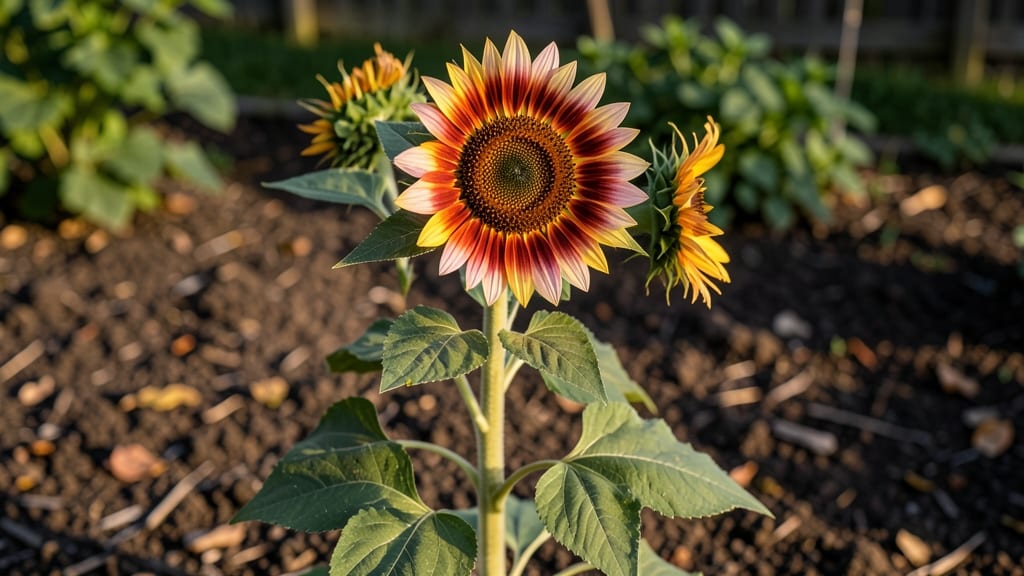
Growing rainbow sunflowers from seed turns your garden into a living canvas of bold, swirling colors. ✨ These aren't your grandma's sunflowers—their petals blend red, orange, yellow, and cream in stunning patterns that catch every eye.
I planted my first batch last spring, and within weeks, the garden transformed from ordinary to extraordinary. The secret starts with well-draining soil mixed with compost, planted just 1 inch deep in full sun. Water lightly until established, then let nature take over—sunflowers thrive on neglect once rooted.
Choose a spot where they'll tower over other plants (they can reach 5-6 feet tall!), creating a dramatic focal point. By midsummer, you'll have a striking vertical display that attracts pollinators and turns heads. The multi-colored blooms last longer than standard varieties, giving you weeks of vibrant color.
Pair them with tall grasses or marigolds for extra drama. Perfect for cottage gardens, pollinator-friendly spaces, or even container growing (dwarf varieties). Let's get those seeds in the ground!
📚 In This Guide
- What you need
- Instructions
- Tips and common mistakes
- Wrapping up and next steps
What you need
- ● Rainbow sunflower seeds: Choose a mix of heirloom varieties (e.g., Autumn Beauty, Moulin Rouge, or Teddy Bear). Buy 1–2 lbs (450–900g) for a small garden (25–50 plants) or 5+ lbs (2.3–11+ kg) for a full border.
- ● Well-draining potting mix or garden soil: 1–2 cubic yards (for in-ground planting) or 10–20 gallons (for containers). Amend with compost for extra nutrients.
- ○ Sunflower seed starter kit (optional but helpful): Includes biodegradable pots, soil, and fertilizer—great for beginners.
- ● Watering can or hose with a gentle spray nozzle: Sunflowers need 1–2 inches (2.5–5 cm) of water per week.
- ● Fertilizer (balanced 10-10-10 or organic option): 1–2 lbs (0.5–1 kg) per 100 sq ft of garden.
- ● Garden trowel or hand shovel (for planting seeds 1–2 inches deep).
- ● Measuring tape or ruler (sunflowers need 12–24 inches (30–60 cm) of spacing between plants).
- ● Garden gloves (to protect your hands from thorns as plants mature).
- ○ Stakes or trellis (optional) for tall varieties like Russian Giant (6+ ft).
- ● Mulch (straw or shredded leaves) to retain moisture and suppress weeds.
- ● Full sun location: At least 6–8 hours of direct sunlight daily.
- ● Warm soil: Wait until after the last frost (soil temp should be 50°F/10°C+).
- ● Patience! Germination takes 7–14 days, and full bloom arrives in 8–12 weeks.
Step-by-Step instructions for growing rainbow sunflowers from seed
Here's how to coax those vibrant blooms from tiny seeds—no fancy tools needed.
🌱 Step 1: Prepare Seeds and Planting Site
Sunflower seeds have a hard outer shell, so I soak them for 12 hours in warm water to soften it. This speeds up germination and prevents uneven sprouting. After soaking, pat them dry with a paper towel—damp seeds won't plant well.
Choose a sunny spot with 6-8 hours of direct sun daily. Sunflowers tolerate poor soil, but they'll grow taller and stronger in loose, well-draining dirt. If your soil is heavy clay, mix in 2-3 inches of compost before planting. Mark your rows with a stick or string—sunflower seeds need 6-12 inches between plants to avoid crowding.
🌱 Step 2: Plant Seeds at the Right Depth and Spacing
Dig holes 1 inch deep—any deeper and the seedlings will struggle to reach the surface. Drop 2-3 seeds per hole (they don't all germinate), then cover lightly with soil. Press gently around the seeds to ensure good soil contact, but don't compact it too tightly.
Water immediately after planting to settle the soil. Use a gentle spray or watering can with a fine rose attachment—forceful streams can wash seeds out. Place a small stake or marker by each row to track growth. You'll see sprouts in 7-14 days, depending on your climate.
☀️ Step 3: Provide Consistent Care for Strong Stalks
Once seedlings emerge, thin them to 1 plant per hole when they're 3-4 inches tall. Use scissors to snip unwanted stems at soil level—pulling can disturb roots. Leave the strongest, straightest seedling in each spot. Water at the base 1-2 times per week, aiming for 1 inch of water per week.
Sunflowers need full sun, but young plants can get sunburned. If leaves look pale or wilted, provide afternoon shade for a few days until they adjust. Fertilize lightly with a balanced 10-10-10 formula when seedlings have 2-3 true leaves. Too much fertilizer makes them grow weak stems that flop over.
⏰ Step 4: Monitor Growth and Support Stalks
As stalks reach 12-18 inches tall, they'll need support. Drive a 5-foot stake into the ground 3-4 inches from each plant and tie the stem loosely with soft cloth or plant ties. Sunflowers grow fast—check ties weekly to avoid restricting growth. You'll see buds form in 6-8 weeks after planting.
Reduce watering as blooms appear—overwatering at this stage causes buds to split. Instead, water deeply once a week to encourage strong root development. Watch for pests like aphids or beetles; a strong spray of water usually removes them. If birds become a problem, cover plants with lightweight netting once buds appear.
🌿 Step 5: Harvest and Enjoy Your Rainbow Garden
Sunflowers are ready to cut when the back of the bloom turns yellow and petals face downward. Use sharp pruners to snip the stem at a 45-degree angle, leaving 6-12 inches of stem for vase life. Place immediately in water—they'll last 5-10 days indoors.
For seeds, leave some blooms on the stalk until they dry completely. The heads will turn brown, and seeds will rattle inside. Cut the entire head, hang it upside down in a dry, dark place, and let seeds dry for 2-3 weeks. Rub the dried head to release seeds, then store in a cool, dry spot for next year's planting.
Tips & tricks for growing rainbow sunflowers from seed
Here's what nobody tells you about growing sunflowers that'll make all the difference in your garden.
Soaking Secrets: That 12-hour soak in warm water isn't just about softening the shell—it's also a great time to check for mold or damage. Toss any seeds that float or look discolored. I also add a pinch of cinnamon to the water (yes, really!) to prevent fungal growth. After soaking, let those seeds air-dry completely before planting—damp seeds can rot in the ground. Trust me on this.
Planting Precision: When you're planting those 2-3 seeds per hole in Step 2, resist the urge to cover them completely. Press the soil gently around them so they have good contact but leave a tiny air pocket—this helps prevent damping off disease. And here's a pro move: if your soil is sandy, mix in a bit of coconut coir for moisture retention without compacting it too tightly. The 1-inch depth is critical, but don't be afraid to adjust slightly for your soil type.
Sunlight Strategy: Those 6-8 hours of direct sun are non-negotiable, but young seedlings can get sunburned. If you notice pale leaves after planting, provide afternoon shade for a few days until they develop their first true leaves. I've found that using shade cloth rather than moving plants helps them establish roots faster. And if you're in a hot climate, consider planting in late spring rather than early—sunflowers handle heat better when they're established.
Harvesting Hack: For those stunning rainbow blooms, time your harvest perfectly by checking the back of the bloom—it should turn completely yellow while the petals still face forward. When you're cutting stems at a 45-degree angle for vase life, leave that extra 6-12 inches of stem submerged in water immediately. I've seen sunflowers last up to 2 weeks in water if you change it every other day and keep them out of direct sunlight indoors.
Pro Tips for Rainbow Sunflower Seed Grow A Garden
- Here's what nobody tells you about growing sunflowers that'll make all the difference in your garden.
- Soaking Secrets: That 12-hour soak in warm water isn't just about softening the shell—it's also a great time to check for mold or damage.
- Planting Precision: When you're planting those 2-3 seeds per hole in Step 2, resist the urge to cover them completely.
Frequently asked questions
When is the best time to plant rainbow sunflower seeds?
Plant your rainbow sunflower seeds after the last frost when soil temperatures reach at least 50°F (10°C). For most climates, this is late spring (May-June). If you’re in a warm region, you can even start in early spring. Just ensure there’s no risk of frost—sunflowers are frost-sensitive!
How long does it take for rainbow sunflowers to grow from seed?
Rainbow sunflowers are fast growers! From seed to full bloom, expect 80-100 days, depending on the variety. Germination happens in 7-14 days if soil stays moist and warm. Keep an eye out for those vibrant sprouts popping up—it’s a thrilling sight!
Can I grow rainbow sunflowers in containers or small spaces?
Dwarf varieties like ‘Moulin Rouge’ or ‘Teddy Bear’ thrive in containers (at least 12-inch deep) or small gardens. Just ensure they get 6+ hours of sunlight daily. Tall varieties need more space—place them at the back of your garden or use sturdy stakes for support.
Why aren’t my rainbow sunflower seeds germinating?
Check these common issues: Cold soil (wait for warmer temps), dry seeds (soak overnight if stored), or poor soil (amend with compost). Plant seeds ½ inch deep and keep soil consistently moist. If mold appears, reduce watering and improve drainage.
Are rainbow sunflowers edible, and how do I harvest the seeds?
Yes! Their seeds are edible—nutritious and delicious. Wait until the back of the flower turns yellow and the petals droop. Cut the head, hang it upside down in a dry, dark place for 1-2 weeks, then rub off the seeds. Roast them for a crunchy snack or use in cooking!
Wrapping up and next steps
Growing a rainbow sunflower garden is a vibrant, rewarding way to add color and life to your outdoor space—while enjoying the benefits of homegrown seeds and blooms! 🌈 With the right seeds, soil, and a little patience, you’ll transform your garden into a cheerful spectacle that attracts pollinators and brightens every season.
Ready to take the next step? Start by sketching your garden layout—whether it’s a small container or a sprawling plot—and pick your favorite sunflower varieties. Then, grab those seeds and let your creativity (and green thumb!) bloom! 🌱