
Lawn
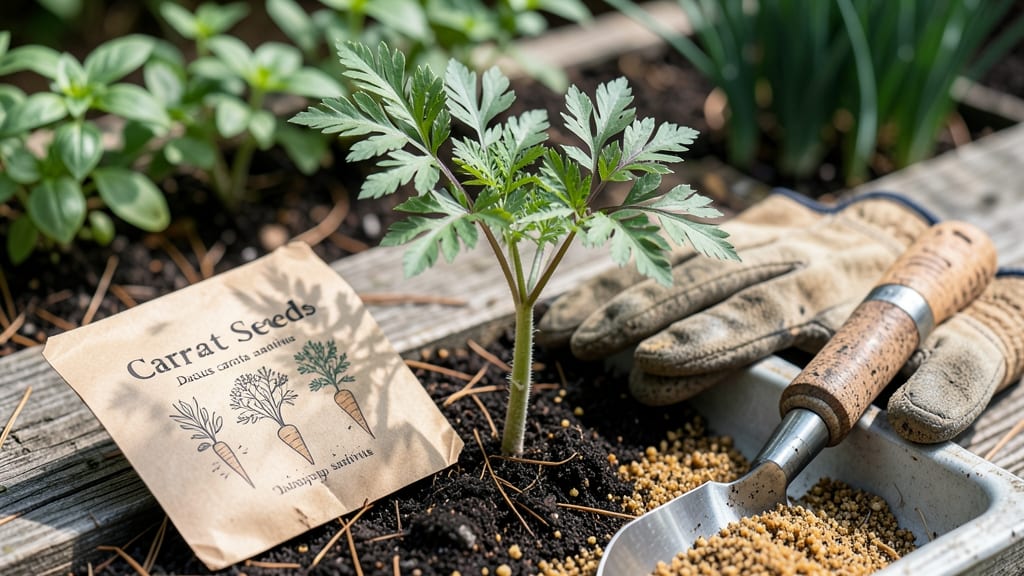
Saving carrot seeds from your garden is like unlocking a free pass to next year’s harvest. 🌱 The process might seem tricky at first, but with the right timing and care, you’ll end up with seeds that grow into vibrant, disease-resistant carrots that outperform store-bought varieties every time.
First, you’ll need to grow a biennial variety—meaning it flowers in its second year—and let some carrots bolt naturally. Once you see those delicate white flowers, the fun begins.
You’ll collect the seeds from dried seed pods, clean them thoroughly, and store them in a cool, dark place until planting season rolls around again. What you’ll end up with is a self-sustaining carrot supply that adapts to your soil and climate over time.
The seeds stay viable for up to 5 years, so you’re not just saving money—you’re preserving a piece of your garden’s legacy. This method works for both beginner and experienced gardeners, though it does require patience.
If you’ve ever wondered how to keep your garden’s best traits year after year, this is how you do it—without spending a dime on new seeds.
📚 In This Guide
- What you need
- Instructions
- Tips and common mistakes
- Wrapping up and next steps
What you need
- ● Mature carrot plants: 5–10 healthy, fully grown carrots with plump, swollen seed pods (avoid bolted or diseased plants).
- ● Seed pods: Harvested from the carrots (or buy organic carrot seeds as a backup).
- ● Paper bags or envelopes: 2–3 breathable, unsealed brown paper bags (or seed-saving envelopes).
- ● Labeling supplies: Pencil or fine-tip marker
- ● Sticky labels or masking tape
- ● Drying surface: A clean, flat tray or wire rack (or a spare screen over a box).
- ○ Fine-mesh sieve or colander: For separating seeds from chaff (optional but helpful).
- ● Small funnel or spoon: For transferring dried seeds into storage containers.
- ● Desiccant packets: For long-term storage (silica gel or rice in a breathable bag).
- ● Vacuum sealer: Extends seed viability for 5+ years.
- ● Seed storage containers: Airtight glass jars or Mylar bags with oxygen absorbers.
- ● Humidity indicator card: To monitor moisture levels in storage.
- ● Pruning shears: For cleanly snipping seed pods from the carrot tops.
Step-by-step instructions for saving and storing carrot seeds
Here’s how to turn this year’s best carrots into next year’s seeds—simple, reliable, and worth every step.
🌱 Step 1: Select the Best Carrots for Seed Production
Choose three to four of your healthiest, most flavorful carrots—long, straight, and free of disease. Avoid hybrid varieties (they won’t produce true seeds); focus on heirloom types like ‘Danvers’ or ‘Nantes’. The best seed parents are fully mature, with deep orange color and a firm, crisp texture. Cut them into 1-inch chunks, leaving the tops attached to each piece.
Place the chunks in a shallow tray with ½ inch of water at the bottom. Keep them in bright, indirect light (like a sunny windowsill) and change the water every other day. Roots will begin to regrow in 7-10 days—you’ll see white, fuzzy root hairs emerging from the cut ends. This signals the carrot is ready for the next step.
☀️ Step 2: Plant and Grow Seed Stems for Flowering
Once roots regrow to 2-3 inches, plant the carrot chunks 1 inch deep in a 6-inch pot filled with well-draining potting mix. Place the pot in full sun (at least 6 hours daily) and water lightly at the base—never let the soil stay soggy. In 4-6 weeks, you’ll see tall, feathery flower stems (called umbrellas) emerge from the tops. These are where seeds form.
Here’s the thing—carrots need cool weather to flower. If temperatures rise above 75°F, move the pot to a shady spot or use a fan to circulate air. Leggy stems or slow flowering? You’re likely too warm. Watch for small yellow flowers to appear—this is your cue that pollination is about to happen.
💧 Step 3: Hand-Pollinate and Harvest Seed Umbrellas
Carrot flowers are self-pollinating, but a gentle nudge helps. On a dry, sunny morning, use a soft paintbrush to transfer pollen from one flower to another. Focus on three to four umbrellas per plant for the best seed yield. Once flowers fade and small, round seed pods form (about 6-8 weeks after planting), the umbrellas will turn brown and crispy—this means seeds are ready.
Cut the entire umbrella off at the base with clean scissors and place it in a paper bag. Hang the bag in a dry, dark, well-ventilated spot (like a closet) for 2-3 weeks. Shake the bag daily to release seeds—you’ll hear them rattle inside. When the umbrellas are completely dry and brittle, remove them and store the seeds in a sealed envelope.
⏰ Step 4: Test and Store Seeds for Next Year
Before storing, test viability by placing 10 seeds on a damp paper towel in a ziplock bag. Keep them in a warm spot (70°F) for 7-10 days. If 70% or more sprout, your seeds are good to go. Label the envelope with the variety name and harvest year—seeds stay viable for 2-3 years if stored in a cool, dry place (like a fridge).
Real talk: Don’t skip the viability test. Old or low-quality seeds won’t grow strong plants, and you’ll waste time replanting. If germination is poor, try soaking seeds in warm water for 12 hours before planting next spring. Fresh seeds? Plant them ¼ inch deep in moist, loose soil and keep them consistently damp until sprouts appear.
Tips & tricks for perfect carrot seed saving
Saving carrot seeds successfully depends on patience and a few key tricks—here's what I've learned from years of trial and error.
Selection is Everything: Don't just grab any carrots—look for the ones with the deepest orange color and longest, straight shape. I've found that carrots with a slightly tapered end (like 'Danvers') produce more reliable seeds than shorter varieties. After cutting your 1-inch chunks, store them in a sealed container in the fridge until you're ready to regrow roots. This keeps them fresh and prevents rot during the 7-10 day regrowth period.
Root Regrowth Secrets: The water level in your tray is crucial—keep it at exactly ½ inch, no more. Too much water causes rot, while too little prevents proper root formation. I use a spray bottle to mist the tops daily while keeping the bottom water fresh. Watch for those fuzzy white root hairs—they're your signal that roots are ready for planting, not just any growth.
Flowering Conditions: Carrots are fussy about heat! If your thermometer hits 75°F, move your pots to shade immediately. I've seen flower stems grow tall and leggy in warm conditions, but they produce fewer seeds. A small fan circulating air around the pots helps mimic cool, breezy conditions that trigger better flowering. The goal is small yellow flowers, not towering stems.
Harvesting and Storage: When harvesting those brown, crispy umbrellas, use clean scissors and cut right at the base to avoid damaging the plant. I place the umbrellas in paper bags with a rubber band to keep them closed—this prevents seeds from scattering while allowing airflow. The daily shaking is non-negotiable; I set a phone alarm to remind me because I've forgotten before and lost seeds that way.
Pro Tips for Seed Of Carrot
- Saving carrot seeds successfully depends on patience and a few key tricks—here's what I've learned from years of trial and error.
- Selection is Everything: Don't just grab any carrots—look for the ones with the deepest orange color and longest, straight shape.
- Root Regrowth Secrets: The water level in your tray is crucial—keep it at exactly ½ inch, no more.
Frequently asked questions
Got questions about saving carrot seeds?
Here are answers to the most common ones—from timing to troubleshooting—to help you master the process and grow your own seeds next season!
When is the best time to harvest carrot seeds?
Harvest carrot seeds when the seed heads turn brown and papery (usually 60–90 days after flowering). Wait until they’re fully dry—if you pick too early, seeds won’t mature. Pro tip: Use a paper bag to collect seeds to avoid moisture buildup!
How long do carrot seeds stay viable for storage?
Properly dried and stored carrot seeds remain viable for 2–4 years in cool, dark conditions. Use airtight containers (like glass jars) with a desiccant packet to prevent mold. Test germination annually by planting a few seeds—if they sprout slowly, refresh your stock!
Can I save seeds from store-bought carrots?
No—store-bought carrots are hybrid varieties bred for uniformity, not seed production. For reliable seeds, grow open-pollinated (heirloom) varieties like ‘Danvers’ or ‘Nantes.’ Check seed packets for “seed-saving friendly” labels!
What’s the ideal storage temperature for carrot seeds?
Store seeds in a cool (50–60°F), dry place—like a fridge or root cellar. Avoid humidity (which causes mold) and direct sunlight (which degrades oils). A small silica gel packet in your container keeps moisture at bay!
Why aren’t my carrot seeds germinating?
Common culprits: old seeds (test viability), poor soil (carrots need loose, rocky-free dirt), or incorrect planting depth (seeds should be ¼-inch deep). If seeds sprout unevenly, try soaking them overnight before planting to boost moisture uptake.
Wrapping up and next steps
Saving carrot seeds is a rewarding way to ensure next year’s garden thrives with vigorous, homegrown plants—plus, it’s a cost-effective and eco-friendly practice! 🌱 By following the right drying and storage techniques, you’ll preserve those precious seeds for months (or even years) while maintaining their viability.
Whether you’re a seasoned gardener or a curious beginner, every saved seed is a step toward self-sufficiency and sustainability.
Ready to take the next step? Start small—try saving seeds from just a few of your healthiest carrots this season, and watch your confidence (and harvest!) grow. Happy gardening! 🌟