
Lawn
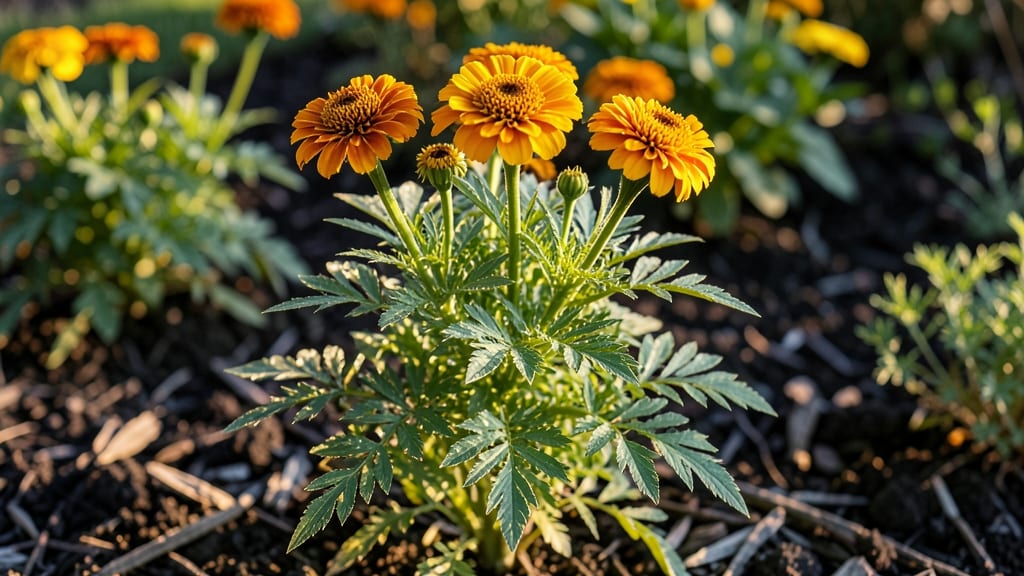
Growing American seed marigolds means unlocking those bright orange blooms that repel pests and attract pollinators—without the frustrating tangles of traditional seed storage. 🌻 I’ve learned the hard way that storing seeds properly determines whether you’ll have a thriving garden or a sad, empty packet next spring.
These marigolds aren’t just pretty; they’re tough, drought-tolerant, and perfect for beginners who want low-maintenance color. The secret starts with the right soil and sunlight: well-draining, sandy loam with full sun (at least six hours daily) brings out their vibrant hues.
Plant seeds ¼ inch deep, 12 inches apart, and keep the soil consistently moist but never soggy. They germinate quickly—usually within a week—so you’ll see those first green shoots before you know it. Once established, marigolds thrive with minimal fuss.
Pinch back the tips to encourage bushier growth, and watch as they bloom from early summer until frost. The pest-repellent properties alone make them worth growing—aphids and nematodes stay far away when these bright sentinels are around. Store seeds properly, and you’ll have this hardy annual returning year after year.
A simple twist-free viability check before storage ensures you’re ready to plant again next season—no surprises, just reliable blooms.
📚 In This Guide
- What you need
- Instructions
- Tips and common mistakes
- Wrapping up and next steps
What you need
- ● Seeds: Tagetes erecta (American Seed Marigold) – 50–100 seeds (adjust based on desired plant count).
- ● Seed-starting mix: Sterile, well-draining potting soil (1–2 gallons). Avoid garden soil—it can harbor diseases.
- ● Containers: Seed trays or biodegradable pots (3–4 inches deep) for seedlings.
- ● Garden beds or large pots (12+ inches deep) for transplanting (if not direct-sowing).
- ● Watering can or spray bottle (with a fine mist nozzle for seedlings).
- ● Grow lights or sunny windowsill (south-facing, 6+ hours of sunlight daily for seedlings).
- ● Fertilizer: Balanced, water-soluble fertilizer (e.g., 10-10-10) or compost for organic growth.
- ● Twist test tools: Small tweezers or fingers (for gently twisting seeds).
- ● Notebook or seed viability tracker (to log results).
- ● Hand trowel – For transplanting seedlings.
- ● Pruning shears – To trim dead foliage or encourage bushier growth.
- ● Mulch (straw or shredded leaves) – To retain soil moisture and suppress weeds.
- ● Plant markers – Label seeds/plants to track varieties (especially if mixing types!).
- ● Humidity dome or plastic wrap – Keeps seedlings cozy until germination.
- ● pH test kit – Ensures soil pH is 6.0–7.0 (marigolds prefer slightly acidic to neutral).
- ● Disease prevention: Neem oil or copper fungicide (prevents powdery mildew).
- ● Insect netting (if pests like aphids are a local nuisance).
Step-by-step guide to testing American seed marigold viability before storage
Here's how to ensure your marigold seeds stay vigorous—no wasted packets or disappointing germination.
💧 Step 1: Prepare the Seed Viability Test
Fill a shallow container with room-temperature water (about 1 inch deep). I use a small plastic tray or even a wide glass. Add 10-15 seeds from your marigold packet—enough to get a representative sample without overcrowding.
Let them soak for 12 hours. This softens the seed coats and lets you see which seeds have absorbed moisture. A good seed will swell slightly and feel heavier; weak or empty seeds stay light and unchanged. Here's the thing—if more than 20% of your sample fails, those seeds may not store well for long-term viability.
🌱 Step 2: Examine for Physical Damage and Fullness
After soaking, remove the seeds and place them on a clean paper towel. A viable marigold seed should feel dense and plump, not hollow or lightweight. Hold one between your fingers—it should have a slight give but not collapse. Discard any seeds that feel empty or crumbly.
Look for physical damage like cracks or soft spots. Even tiny imperfections mean the seed won't germinate. I always set aside a small pile of "questionable" seeds—if they pass the next test, I might use them for immediate planting. Real talk: marigold seeds are tough, but even they won't survive if compromised.
✂️ Step 3: Perform the Twist Test for Internal Viability
Take a single seed between your thumb and index finger. Gently twist it—don't squeeze, just rotate. A viable seed will resist slightly and feel firm. If it twists easily or crumbles, it's empty or dead. This is the moment that matters: discard any seeds that break or deform under gentle pressure.
Count your remaining viable seeds. If you started with 15 and have fewer than 10 left after this test, your packet may be past its prime. Marigolds typically store well for 2-3 years, but humidity and temperature fluctuations speed up decline. I mark storage dates on my packets to track freshness.
🪴 Step 4: Store Only the Best Seeds Properly
Place your viable seeds in a small, airtight container lined with a desiccant packet (like those that come with electronics). I use a tiny glass jar with a tight lid. Store it in a cool, dark place—my pantry works perfectly. Label the container with the date and variety.
Marigold seeds need low humidity and consistent temperature to stay viable. Check your stored seeds annually by repeating the twist test. If more than 30% fail, it's time to replace the packet. This method saves me from planting weak seeds that won't germinate, ensuring strong, healthy marigolds every season.
Tips & tricks for perfect American seed marigold viability testing
Here's what nobody tells you about making this test foolproof—tricks that'll save you from planting duds.
Soaking Precision: The 12-hour soak is non-negotiable, but here's the secret: use distilled water if possible. Tap water's minerals can interfere with the seed's natural absorption. I've seen seeds that passed the test in tap water fail to germinate later—distilled water gives you the most accurate results. Also, make sure your container is wide enough that seeds aren't touching each other, which can create false positives.
Visual vs. Tactile Cues: Don't rely solely on how seeds look after soaking—always test them by feel. A seed might appear plump but still be hollow inside. The twist test is your best friend here. Between us, I've learned this the hard way after planting seeds that looked fine but never sprouted. Real talk: your fingers are more reliable than your eyes for marigold viability.
Storage Environment: That cool, dark pantry I mentioned? It should ideally stay between 40-50°F. If your pantry gets warmer, consider a basement or refrigerator (though not the door where temps fluctuate). I once stored seeds in a closet that hit 60°F occasionally, and within a year, 40% failed the twist test. Temperature consistency is everything—humidity fluctuations are the second biggest enemy after heat.
Annual Refresh: The annual twist test isn't just about checking viability—it's about weeding out seeds that might have absorbed moisture over time. Even in airtight containers, marigold seeds can develop mold or start to degrade if stored too long. I keep a separate jar of "test seeds" from each packet, so I can quickly check viability without compromising my main stash. This simple habit has saved me from planting weak seeds that would have wasted my time and garden space.
Pro Tips for American Seed Marigold
- Here's what nobody tells you about making this test foolproof—tricks that'll save you from planting duds.
- Soaking Precision: The 12-hour soak is non-negotiable, but here's the secret: use distilled water if possible.
- Visual vs.
Frequently asked questions
Got questions about growing American Seed Marigolds? You’re not alone! Here are some of the most common queries—plus quick, practical answers to keep your garden thriving.
When is the best time to plant American Seed Marigold seeds?
Plant seeds after the last frost when soil temperatures reach at least 60°F (15°C). For most U.S. regions, this means late spring (April–June). If you’re in a warm climate (Zones 8–10), you can start as early as February. Pro tip: Use row covers to protect seedlings if nighttime temps dip below 50°F (10°C).
How long does it take for American Seed Marigolds to germinate?
Germination typically takes 7–14 days in warm, moist soil. Keep seeds consistently damp (not soggy) and in 70–75°F (21–24°C) conditions for best results. If germination takes longer, check for overwatering or poor soil contact—gently press seeds into soil if needed.
Can I grow American Seed Marigolds in containers?
These marigolds thrive in 5–6 inch pots with well-draining soil. Use a balanced fertilizer (like 10-10-10) every 4–6 weeks. Just ensure containers have drainage holes to prevent root rot. Bonus: They’re perfect for balconies, patios, or even hanging baskets!
Why are my marigold leaves turning yellow or spotted?
Yellowing leaves often signal overwatering or fungal issues. Spots could mean pests (e.g., aphids, spider mites) or bacterial leaf spot. Fix it by:
For severe cases, replant in fresh soil. Before storing, check for viability by twisting a seed—it should crackle (good) or feel mushy (discard). Store seeds in a cool, dry place (50–60°F / 10–15°C) in an airtight container with a desiccant packet. Label with the date; they stay viable for 1–2 years.
How do I store American Seed Marigold seeds for next year?
Wrapping up and next steps
Growing American seed marigolds is a rewarding way to add vibrant color and pest-repelling benefits to your garden—and it’s easier than you think! 🌻 By following the right steps—like checking twist-free viability before storage—you’ll ensure strong, healthy plants that thrive year after year.
Whether you’re a beginner or a seasoned gardener, these tips will help you cultivate a stunning, low-maintenance garden.
Ready to take the next step? Start small: plant a few seeds or buy young seedlings, then expand as you gain confidence. Happy gardening—your future blooms will thank you! 🌱