
Planting
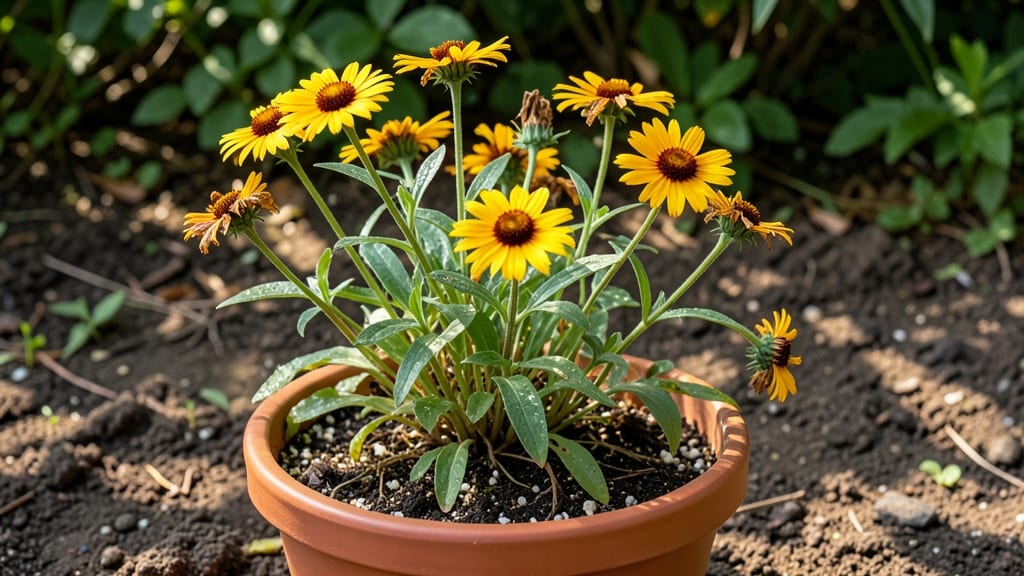
Tickseed plant care is effortless—just plant these sun-loving stars (Coreopsis or Bidens) and let them bring sunshine to your garden with almost no fuss. 🌻 I’ve grown them for years, and they reward even the most forgetful gardeners with bold blooms from spring to frost. The secret? Ignoring them after planting and letting them thrive on their own terms.
These perennials love well-draining soil and full sun, but they’re tough enough to handle occasional neglect. Water them once a week unless it’s scorching hot, and they’ll bounce back like nothing fazed them.
Deadhead spent blooms in early summer to encourage nonstop new flowers—though honestly, they’ll keep blooming even if you skip this step.
By mid-summer, your patch will be a golden-yellow explosion, attracting butterflies and hummingbirds while keeping weeds at bay. The foliage stays neat, the flowers multiply, and the plants spread gently over time—no aggressive takeover here.
Works in rock gardens, borders, or wildflower meadows, and they’re drought-tolerant once established. Even my black thumb can’t kill these. Let’s get them growing!
📚 In This Guide
- What you need
- Instructions
- Tips and common mistakes
- Wrapping up and next steps
What you need
- ● Tickseed seeds or nursery-grown seedlings: Choose Coreopsis verticillata (threadleaf) or Coreopsis lanceolata (lanceleaf) for classic varieties. Buy 10-20 seeds for a full bloom display or 3-5 seedlings for quick results.
- ● Well-draining potting mix or garden soil: A blend of 60% garden soil, 30% compost, and 10% perlite/sand works best. For containers, use a lightweight, airy mix (e.g., 50% peat moss, 30% perlite, 20% vermiculite).
- ○ Containers (optional but helpful): For seeds: 2-3 inch deep pots or seed trays with drainage holes (use 1-2 seeds per cell).
- ● For mature plants: 5-7 gallon containers with drainage holes (or in-ground planting in full sun).
- ● Watering can or hose with a gentle spray nozzle: Tickseed hates soggy roots—opt for thin, frequent watering (not deep soaking).
- ○ Fertilizer (optional but recommended): A balanced, slow-release fertilizer (10-10-10 or 20-20-20) applied once at planting and again in early spring.
- ● Compost or worm castings for organic nourishment (sprinkle 1 cup per plant annually).
- ● Garden trowel or hand shovel: For digging holes twice as wide as the root ball.
- ● Pruning shears: To deadhead spent blooms and trim leggy stems (sterilize with rubbing alcohol between cuts!).
- ○ Gloves (optional): Protect your hands from thorny stems (especially in Coreopsis tinctoria).
- ○ Mulch (optional): 2-3 inches of shredded bark or straw to retain moisture and suppress weeds.
- ○ pH testing kit (optional): Aim for a soil pH of 6.0–7.0—tickseed thrives in slightly acidic to neutral soil.
- ● Sunlight: 6+ hours of full sun daily (partial shade in hot climates can prevent bolting).
- ● Hardiness zone: USDA Zones 3–9 (check your zone here).
- ● Patience: Seeds may take 10–21 days to germinate (keep soil 70–75°F for best results).
- ● Drought tolerance: Once established, tickseed needs water only when soil is dry 1–2 inches deep.
How to keep your tickseed plant thriving year after year
This hardy perennial needs almost no attention once established—but these steps ensure vibrant blooms and lush foliage.
☀️ Step 1: Position in Full Sun for Optimal Growth
Tickseed (Coreopsis) thrives in 6-8 hours of direct sunlight daily. Plant in a location with morning sun and afternoon shade in hot climates, or full sun exposure in cooler regions. The plant's golden-yellow blooms darken slightly in partial shade, but stems may weaken and flop over without enough light.
Watch for leaves that appear pale or stretched—this signals insufficient light. If your garden has limited sun, choose a compact variety like 'Moonbeam' which tolerates slightly shadier conditions better than others. Amend heavy clay soil with 1-2 inches of compost before planting to improve drainage, which tickseed absolutely demands.
💧 Step 2: Water Deeply but Infrequently
Established tickseed plants are drought-tolerant once roots are deep, but young plants need consistent moisture. Water 1 inch per week during the first growing season, allowing the top 2-3 inches of soil to dry between waterings. You'll know it's time when the soil feels dry to the touch about an inch below the surface.
Overwatering causes root rot, which appears as yellowing leaves and a mushy stem base. Let the soil dry completely between waterings once the plant matures—tickseed stores water efficiently in its deep taproot. In containers, check soil moisture daily as pots dry out faster than ground soil.
✂️ Step 3: Deadhead and Prune for Continuous Blooms
Pinch off spent blooms regularly to encourage more flowers and prevent seed formation. I use clean fingernails or small pruning shears to snip just above the next set of leaves after the flower head fades. This simple step keeps plants flowering from early summer through fall in most climates.
After the first frost, cut back stems to 4-6 inches tall to remove dead foliage and encourage fresh growth in spring. Avoid heavy pruning in late summer, as this can delay fall blooms. Wear gloves when handling plants—some varieties have small burs that cling to clothing.
🌿 Step 4: Fertilize Lightly for Healthy Growth
Tickseed grows well in average garden soil with minimal fertilization. In early spring, apply a balanced 10-10-10 fertilizer at half-strength when new growth appears. Scatter granules around the base and water thoroughly to distribute nutrients. Avoid high-nitrogen fertilizers, which promote leafy growth at the expense of flowers.
For organic options, work in 1-2 inches of compost in early spring and again after flowering. You'll notice stronger stems and more abundant blooms with this approach. Never fertilize in late summer, as new growth won't have time to harden off before winter.
⏰ Step 5: Prepare for Winter Dormancy
Tickseed is cold-hardy in USDA zones 3-9, but young plants benefit from winter protection. After the first hard frost, cut back stems to 2-3 inches above ground level and cover the base with 2-3 inches of mulch. This protects roots from extreme temperature fluctuations and prevents heaving during freeze-thaw cycles.
Remove mulch in early spring before new growth appears. You'll see fresh shoots emerge from the base in late winter or early spring. Avoid disturbing the crown during dormancy—tickseed's deep roots store energy for next year's growth, and excessive handling can damage them.
Tips & tricks for perfect tickseed plant care
Here's what nobody tells you about keeping your tickseed thriving with minimal fuss—these tricks make all the difference.
Sunlight Secret: If your tickseed's leaves start looking pale or stretched, it's begging for more light. The 6-8 hours of direct sunlight in Step 1 isn't negotiable—this plant converts sunlight into those signature golden blooms through photosynthesis. For shadier spots, opt for the 'Moonbeam' variety, which handles 4-6 hours better than others. I've seen plants in partial shade produce blooms, but they're always less vibrant and more prone to flopping.
Watering Wisdom: The key to tickseed's drought tolerance is patience. In Step 2, that 1 inch per week guideline applies only to young plants. Once established, let the soil dry completely between waterings—stick your finger 1-2 inches deep to check. Overwatering is the #1 killer; I've seen plants develop mushy stems from soggy roots after just a week of excessive moisture. Containers dry out faster, so check them daily in summer.
Pruning Precision: When deadheading in Step 3, always cut just above the next set of leaves—not at a joint. This prevents unsightly stubs and encourages new growth from the right spot. For the 4-6 inch prune after frost, use clean shears to avoid spreading disease. I've made the mistake of pruning too late in summer—waiting until fall delayed blooms by weeks. And wear gloves; those tiny burs cling like Velcro!
Fertilizer Finesse: That 10-10-10 fertilizer at half-strength in Step 4 is your golden ticket to abundant blooms. High-nitrogen fertilizers will give you lush foliage but few flowers—tickseed prioritizes blooms over leaves. For organic gardeners, that 1-2 inches of compost works wonders. I've seen plants go from sparse blooms to overflowing with color after just one compost application in spring.
Pro Tips for Tickseed Plant Care
- Here's what nobody tells you about keeping your tickseed thriving with minimal fuss—these tricks make all the difference.
- Sunlight Secret: If your tickseed's leaves start looking pale or stretched, it's begging for more light.
- Watering Wisdom: The key to tickseed's drought tolerance is patience.
Frequently asked questions
Got questions about keeping your tickseed plant happy? You’re not alone!
Here are some of the most common concerns—plus straightforward answers to help you avoid stress and enjoy this low-maintenance beauty.
How often should I water my tickseed plant?
Water your tickseed plant only when the top 1-2 inches of soil are dry. Overwatering is the #1 killer—these drought-tolerant plants thrive on neglect! In hot climates, water every 7-10 days; in cooler areas, stretch it to 2-3 weeks. Pro tip: Let rain do the work when possible!
When is the best time to plant tickseed?
Plant tickseed in early spring or late summer for optimal results. This timing lets roots establish before extreme heat or cold. If you’re transplanting, choose a cloudy day to reduce stress. Bonus: Direct sowing in fall (Zone 8+) can yield early blooms next spring!
Why aren’t my tickseed leaves turning yellow?
Yellowing leaves usually signal overwatering or poor drainage. Check for soggy soil and ensure pots/containers have drainage holes. If the problem persists, repot with well-draining soil mix (add perlite or sand). Note: Older leaves naturally yellow—focus on new growth for clues!
Can tickseed grow in containers or do I need a garden bed?
Tickseed thrives in containers 12+ inches deep with drainage. Use a mix of potting soil and sand for optimal airflow. Just ensure the pot gets 6+ hours of sunlight daily. Container hack: Group plants for a pollinator-friendly “mini meadow”!
How cold-hardy is tickseed, and do I need to protect it in winter?
Tickseed handles USDA Zones 5-10, but young plants may need winter protection in colder zones. Mulch heavily with straw or leaves, and cover with burlap if temps drop below 10°F (-12°C). Good news: Established plants bounce back like a champ!
Are there any common pests or diseases to watch for?
Tickseed is pest-resistant, but aphids or spider mites may visit in dry conditions. Blast off pests with water or use neem oil. Preventative tip: Encourage beneficial insects (like ladybugs) by planting nearby herbs like dill or basil!
Wrapping up and next steps
Caring for a tickseed plant is a breeze—just a splash of sun, well-draining soil, and occasional watering! This hardy perennial rewards you with vibrant blooms and minimal fuss, making it perfect for both beginners and seasoned gardeners. 🌸
Now that you’re armed with the know-how, why not plant one today? Whether you’re brightening up a sunny border or adding a pop of color to a container, your tickseed plant will thrive with just a little love. Happy gardening! 🌱