
Lawn
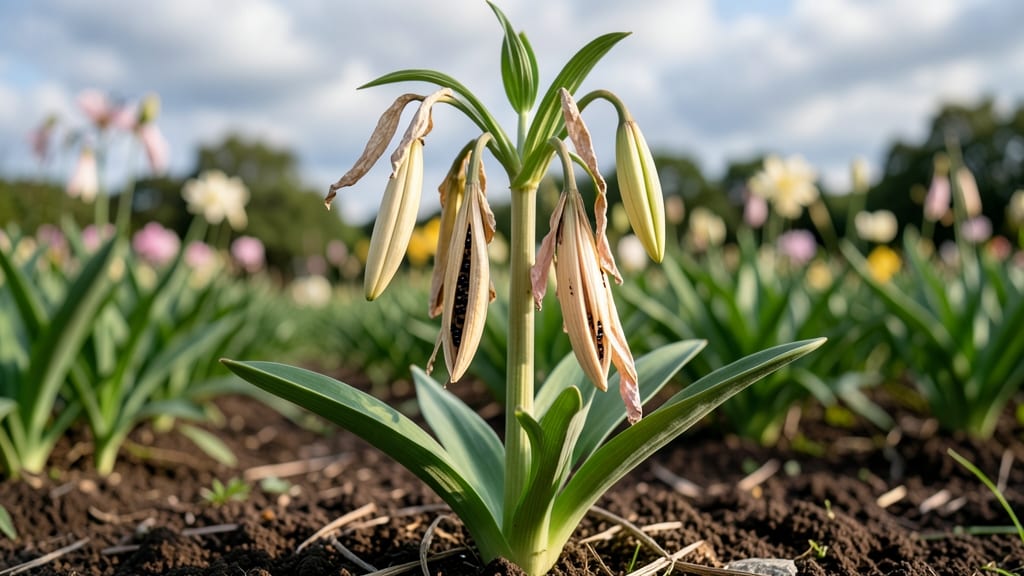
Harvesting Asiatic lily seed pods before they twist is the secret to storing viable seeds for next year’s garden. 🌱 I’ve learned the hard way that waiting too long means brittle pods that crumble at the touch—leaving you with nothing but empty promises.
The key is timing: pods turn brown and papery when ready, and you’ll need to act fast before they split open on their own.
You’ll only need a few simple tools: sharp scissors or pruners, a paper bag for collection, and a dry, dark place for storage. Cut the pods when they’re fully mature but still intact—this usually happens in late summer or early fall, depending on your climate.
Once collected, let them dry completely before storing in a sealed container; humidity is the enemy of long-term seed viability.
The payoff comes when those seeds sprout into sturdy seedlings next spring. Asiatic lilies grown from seed develop stronger roots and unique color variations that you won’t find in nursery plants.
With proper care, you’ll see the first green shoots emerge within 4-6 weeks of sowing, and by summer, you’ll have vibrant blooms that outshine store-bought varieties.
This method works for gardeners in zones 3-9, though timing varies by region. If you’re in a cooler climate, aim for early fall harvests; warmer zones may need to act sooner. The biggest challenge is patience—seeds take longer to mature than cuttings, but the reward is worth the wait.
📚 In This Guide
- What you need
- Instructions
- Tips and common mistakes
- Wrapping up and next steps
What you need
- ● Mature Asiatic lily seed pods (harvest when pods turn brown and dry but before they split open—aim for late summer to early fall).
- ● Sharp pruning shears or scissors (sterilized with rubbing alcohol to prevent disease).
- ● Brown paper bags or breathable mesh bags (1–2 bags, depending on yield—ensure they’re not plastic to avoid moisture buildup).
- ● Labeling tags & permanent marker (to note variety and harvest date).
- ● Dry, well-ventilated storage space (cool, dark area like a garage or basement with humidity below 50%).
- ○ Desiccant packets (optional but recommended) (1–2 packets per bag to absorb excess moisture).
- ● Gloves (to protect hands from thorns or sap).
- ● Small fan or dehumidifier (if storing in a damp climate).
- ● Seed catalog or notebook (to track germination rates year-over-year).
- ● Spray bottle with water (for lightly misting pods if they’re too dry during storage—use sparingly!).
How to harvest Asiatic lily seed pods without the twist
Here's how to collect and store Asiatic lily seed pods the right way—no tangles, no wasted seeds.
🌱 Step 1: Identify and Select Mature Seed Pods
Wait until the seed pods turn a dry, papery brown color and split open naturally along their seams. This usually happens in late summer or early fall, after the blooms have faded completely. You'll see the pods hanging from the stems, looking like tiny, dried-up sausages.
Gently squeeze a pod between your fingers—if it crumbles slightly but doesn't spring back, it's ready. Avoid pods that are still green or have cracked open prematurely, as their seeds won't be viable. I like to harvest on a dry morning after the dew has evaporated, which makes handling easier.
🌿 Step 2: Harvest Pods Without Damaging the Seeds
Use clean, sharp scissors or pruning shears to snip the entire seed pod from the stem, leaving about ½ inch of stem attached. This prevents the pod from splitting open during transport and losing seeds. Place the harvested pods in a paper bag—plastic can trap moisture and cause premature sprouting.
Don't twist or pull the pods—they're delicate and can shatter. If you're working with multiple plants, label each bag with the lily variety and harvest date. I've found that storing pods in a cool, dry place (like a garage or basement) for 1-2 weeks helps them dry out completely before processing.
✂️ Step 3: Open and Extract the Seeds
Once the pods are thoroughly dry, lay one out on a clean, flat surface. Use a small knife or your fingernail to gently slit the pod lengthwise along its seam—don't cut too deeply, or you'll damage the seeds inside. The pod should open like a tiny envelope, revealing rows of small, flat seeds.
Tap the opened pod gently over a sheet of white paper to release the seeds. You'll see them scatter like tiny brown beans. Count them to ensure viability—healthy seeds should be plump and firm. Discard any that look shriveled or discolored. I like to store the seeds in an envelope labeled with the harvest year and variety.
🪴 Step 4: Store Seeds for Next-Year Planting
Place the extracted seeds in a small, airtight container lined with a silica gel packet to absorb excess moisture. Store the container in a cool, dark place, like a refrigerator drawer, where the temperature stays between 35-45°F. This slows down seed aging and keeps them viable for up to 2 years.
Check the seeds every few months to ensure they haven't dried out or sprouted. If you notice any condensation inside the container, transfer the seeds to a fresh, dry container immediately. When it's time to plant, soak the seeds in warm water for 12 hours before sowing to speed up germination.
Tips & tricks for perfect Asiatic lily seed pod harvesting
Real talk: Harvesting these delicate pods without losing seeds is easier than you think—once you know the tricks. Here's what nobody tells you about getting every last seed safely.
Timing Secret: Harvest pods on a dry, sunny morning when dew has evaporated. Moisture makes them slippery and more prone to cracking open prematurely. I've learned this the hard way after watching seeds scatter across the garden when pods split too early. If you must harvest later in the day, wait until the pods have fully dried from the morning dew.
Equipment Matters: Never use dull scissors—they crush the pods and damage seeds. Invest in a good pair of sharp pruning shears or small garden scissors. I keep a dedicated pair just for seed harvesting. When cutting, leave that ½ inch of stem attached as instructed—it acts like a natural shock absorber during transport, preventing the pods from splitting open.
Drying Strategy: The 1-2 week drying period in Step 2 is non-negotiable for seed viability. I store pods in a mesh laundry bag in my unheated garage where airflow circulates naturally. If you're in a humid climate, add a small silica gel packet to the storage bag to absorb excess moisture. Never rush this step—proper drying prevents mold and maintains seed quality.
Seed Viability Check: When extracting seeds, healthy ones should feel plump and firm to the touch. I learned this from a fellow gardener who showed me how to gently press a seed between my thumbnail and index finger—it should give slightly but not feel mushy. Discard any seeds that look shriveled, discolored, or have cracks, as they won't germinate properly.
Pro Tips for Asiatic Lily Seed Pods
- Real talk: Harvesting these delicate pods without losing seeds is easier than you think—once you know the tricks.
- Timing Secret: Harvest pods on a dry, sunny morning when dew has evaporated.
- Equipment Matters: Never use dull scissors—they crush the pods and damage seeds.
Frequently asked questions
Got questions about Asiatic lily seed pods?
You’re not alone! Here are some of the most common concerns—plus quick, practical answers to help you harvest, store, and troubleshoot like a pro.
How do I know when Asiatic lily seed pods are ready for harvesting?
Seed pods mature when they turn brown and papery (not green or soft). Gently press a pod—if it splits open easily, it’s time to collect seeds. Harvest on a dry day to prevent mold. Pro tip: Use sharp pruners to snip stems cleanly, leaving 2–3 inches of stalk attached for easier handling.
Can I store Asiatic lily seed pods for next year’s planting?
Yes! Clean pods thoroughly, then store them in a cool, dry place (like a paper bag or envelope) for up to 6 months. For longer storage, refrigerate in a sealed container with silica gel packets to absorb moisture. Warning: Viability drops after 1 year—plant fresh seeds whenever possible!
Why aren’t my Asiatic lily pods producing seeds?
Common culprits:
- No pollination: Lilies need bees or wind to transfer pollen. Hand-pollinate with a soft brush if blooms aren’t visited.
- Over-fertilizing: Too much nitrogen = more flowers, fewer seeds. Cut back on high-nitrogen feeds mid-season.
- Improper timing: Seed pods form after blooms fade. Wait 4–6 weeks post-flowering.
What’s the best way to plant Asiatic lily seeds for next year?
Scarify seeds (lightly nick the outer shell with sandpaper) to boost germination. Plant 1/4-inch deep in well-draining soil, keeping it moist but not soggy. Expect sprouts in 4–12 weeks—patience is key! Pro tip: Start seeds indoors 8–10 weeks before your last frost date for a head start.
Are there alternatives to harvesting seed pods from Asiatic lilies?
If seed pods fail, try:
- Dividing bulbs: Separate offsets in fall for instant plants.
- Buying seeds online: Specialty nurseries sell Asiatic lily seeds (e.g., Lilium asiatic hybrids).
- Propagating from scale: Carefully remove and replant bulb scales in moist soil.
Wrapping up and next steps
Harvesting Asiatic lily seed pods with care ensures vibrant blooms for seasons to come! 🌸 By following the right steps—like twisting gently and storing pods properly—you’ll set the stage for a thriving garden.
Ready to try? Grab your gloves, head outdoors, and give it a go—your future lilies will thank you!
Next step: Share your success with fellow gardeners or experiment with different storage methods to see what works best for your climate. Happy gardening!