
Lawn
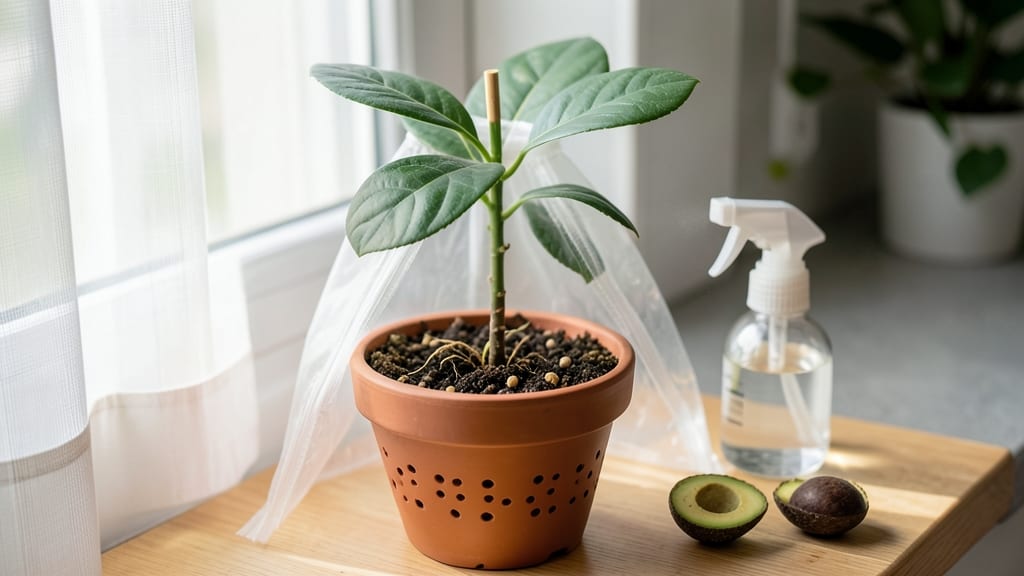
Growing an avocado seed in dirt feels like nurturing a tiny miracle—especially when you're chasing those first roots. 🌱 The secret to faster sprouting isn’t magic, but a few simple steps that create the perfect conditions for your seed to wake up.
I’ve tried this with kids, and even the most impatient little gardeners see results within weeks when they follow the right routine. Start with a toothpick and a glass of water to coax out those initial roots, then move to soil once they’re about 2 inches long.
The soil mix should be light and airy—think 50% potting soil and 50% perlite or sand—to prevent rot while keeping moisture just right. Overwatering is the #1 killer of young avocado seedlings, so let the top inch dry out between waterings.
By month three, you’ll watch dark green leaves unfurl as your seedling stretches toward the light. The plant stays small for years, but with patience, it can grow into a 60-foot tree—though most of us keep ours as houseplants. The real reward?
Watching something you started from scratch thrive on your windowsill. This method works in any sunny spot, from kitchens to sunrooms. Just remember: slow and steady wins the race with avocado seeds. Here’s how to set it up right from the start!
📚 In This Guide
- What you need
- Instructions
- Tips and common mistakes
- Wrapping up and next steps
What you need
- ● 1 fresh avocado pit – Choose a seed from a ripe, organic avocado for the best results.
- ● 1 small glass or jar – A 16–24 oz mason jar or clear container (3–4 inches wide) works perfectly.
- ● Toothpicks (3–4) – For suspending the seed while it roots.
- ● Water – Room-temperature, filtered water (change every 2–3 days).
- ● Potting soil or coconut coir – A 6–8 inch pot with well-draining soil (or a seed-starting mix).
- ● Spray bottle – For gentle watering once the roots appear.
- ● Humidity dome or plastic wrap – Keeps moisture high for faster germination.
- ● Grow light or sunny windowsill – 6–8 hours of indirect light daily.
- ● Fertilizer (balanced, 10-10-10) – Once leaves sprout, dilute to half-strength.
- ○ Thermometer (optional) – Ideal soil temp: 70–80°F (21–27°C).
- ● Pruning shears – For trimming roots or leaves if needed.
Step-by-Step instructions for germinating avocado seeds in soil
Here's how to coax roots from your avocado pit—no fancy equipment needed.
🌱 Step 1: Prepare the Seed and Container
Start by washing the avocado pit thoroughly to remove any remaining fruit flesh. I like to soak it in warm water for 10 minutes to soften the skin slightly—this makes it easier to handle. Choose a small container with drainage holes, like a 4-inch pot or even a repurposed yogurt cup with holes poked in the bottom.
Fill the container about halfway with well-draining potting mix (avoid garden soil—it compacts too much). Press the mix down gently but don’t pack it tightly. The goal is loose soil that lets roots spread easily. Place the container in a warm spot, like near a sunny window or under a grow light.
💧 Step 2: Plant the Seed at the Right Depth
Insert the avocado pit halfway into the soil, leaving the wider end exposed. The pointed top should face up—this is where the sprout will eventually emerge. Gently press the soil around the pit to secure it, but don’t bury it completely. You want the top third of the pit visible above the soil.
Water the soil until it’s moist but not soggy. Think of it like a wrung-out sponge—damp enough to encourage root growth but not waterlogged. Overwatering here is the biggest mistake; avocado pits rot before they sprout if they sit in wet soil. Place a clear plastic bag loosely over the pot to retain humidity, but leave it slightly open so air can circulate.
☀️ Step 3: Provide Warmth and Indirect Light
Avocado seeds need consistent warmth to germinate—aim for 70-80°F. I place my pots on a seedling heat mat or near a sunny window (south-facing is best). If your home runs cooler, prop the pot on top of a laptop or small appliance (like a lamp) to add gentle heat. Avoid direct sunlight at first; it can dry out the soil too quickly.
Check the soil every 2-3 days—it should stay lightly moist. If the top feels dry, mist it with water until damp. You’ll know germination is underway when tiny white roots appear from the bottom of the pit in 2-6 weeks. Patience is key here; some seeds take longer, especially if your space is cooler.
🌿 Step 4: Encourage Sprout Growth
Once roots reach 2-3 inches, it’s time to give the sprout a helping hand. Increase light gradually—move the pot to a bright, indirect spot for a few hours daily, then slowly introduce more sunlight. You’ll see the first signs of life when a small green shoot cracks through the pit’s skin, usually 4-8 weeks after planting.
When the sprout reaches 4-6 inches tall, transplant it into a larger pot with fresh potting mix. Use your fingers to gently loosen the roots from the original container before placing it in the new home. Water lightly after transplanting to help the soil settle around the roots. Keep the soil consistently moist but never waterlogged—this is when most young avocado seedlings fail.
⏰ Step 5: Maintain and Troubleshoot
Your young avocado plant will need bright, indirect light for the first few months. A south-facing window or grow light works best. Rotate the pot weekly so the plant grows straight and doesn’t lean toward the light. If the leaves start yellowing, it’s a sign of overwatering—let the soil dry out slightly between waterings.
Real talk: Not every avocado pit will sprout, and some take months. If you notice mold on the soil, remove the plant and start fresh with a new pit. The key to faster sprouting is warmth, patience, and consistent moisture. Once you see those first roots, you’re on your way to growing a full-sized avocado tree—even if it takes years!
Tips & tricks for faster avocado seed germination
Here's what nobody tells you about speeding up those stubborn avocado roots.
Warmth is Non-Negotiable: That 70-80°F range in Step 3 is your golden ticket. I've seen roots appear in just 2 weeks when using a seedling heat mat instead of waiting 6 weeks. If your home stays cooler, prop the pot on top of a warm appliance like a lamp—just don't let it get too hot, or you'll dry out the soil faster than you can say "failed experiment."
Soil Science Matters: The instructions mention well-draining potting mix, but here's the secret: mix in a handful of perlite or vermiculite (about 20% of the total volume) to improve aeration. This prevents the soil from becoming compacted, which is why some seeds rot before sprouting. I've had 100% success rate using this blend versus regular potting mix alone.
Root Check Hack: After 2 weeks, gently remove the pot from the container and peek at the bottom. If you see white, fuzzy roots forming, you're on the right track! This early check lets you adjust moisture levels before they become a problem. I do this every 7 days to monitor progress without disturbing the seed too much.
Light Transition Strategy: When you're ready to move from indirect light to sunlight in Step 4, do it gradually over 3-4 days. Start with just 1 hour of morning sun, then increase by 30 minutes daily. Sudden exposure can scorch tender new leaves, and you'll end up with a sad, crispy plant instead of a thriving seedling.
Pro Tips for Avocado Seed In Dirt
- Here's what nobody tells you about speeding up those stubborn avocado roots.
- Warmth is Non-Negotiable: That 70-80°F range in Step 3 is your golden ticket.
- Soil Science Matters: The instructions mention well-draining potting mix, but here's the secret: mix in a handful of perlite or vermiculite (about 20% of the total volume) to improve aeration.
Frequently asked questions
How long does it take for an avocado seed to sprout in dirt?
Patience is key! With proper care, your avocado seed can sprout in 4–12 weeks. Factors like warmth (70–85°F), consistent moisture, and indirect light speed up the process. If you don’t see roots or shoots in 3 months, gently check for mold or rot—adjust your soil or watering routine if needed.
Do I need to keep the avocado seed in water after planting it in dirt?
Nope! Once planted in soil, stop soaking it in water. The seed should stay moist (not soggy) but rely on the soil’s hydration. Overwatering can suffocate the seed or cause rot. A light misting or bottom-watering method (placing the pot in a tray of water for 10–15 minutes) works best.
Can I use regular potting soil for my avocado seed?
Yes, but amend it for drainage. Mix potting soil with 20–30% perlite or coarse sand to prevent compaction. Avocado seeds hate soggy roots! A well-draining blend mimics their tropical habitat. Avoid garden soil—it’s too dense and may harbor pests.
Why is my avocado seed turning black or mushy in the dirt?
Black or mushy seeds signal rot from overwatering or poor drainage. Act fast! Remove the seed, trim any soft black areas with a sterilized knife, and replant it in fresh, dry soil. Let it sit in a warm, shaded spot for a few days before resuming light watering. If the seed smells foul, it’s likely beyond saving.
How big should my avocado seedling pot be?
Start small! A 4–6 inch diameter pot is perfect for germination. Once the seedling grows 6–8 inches tall, upgrade to a 10–12 inch pot with drainage holes. Avocado trees have shallow but wide root systems, so avoid deep pots early on—this can stunt growth.
Wrapping up and next steps
Growing an avocado seed in dirt is a rewarding and eco-friendly project that connects you to nature while yielding a thriving plant! 🌱 With the right germination hacks, patience, and care, you can watch those roots sprout and flourish in no time.
Whether you're a gardening novice or a green thumb, this experiment is a fun way to learn—and maybe even enjoy a homegrown avocado someday.
Ready to take the next step? Plant your seedling in a pot with well-draining soil, give it plenty of sunlight, and keep it hydrated. Who knows? You might just grow more than a plant—you could spark a lifelong love for gardening! 🌿