
Lawn
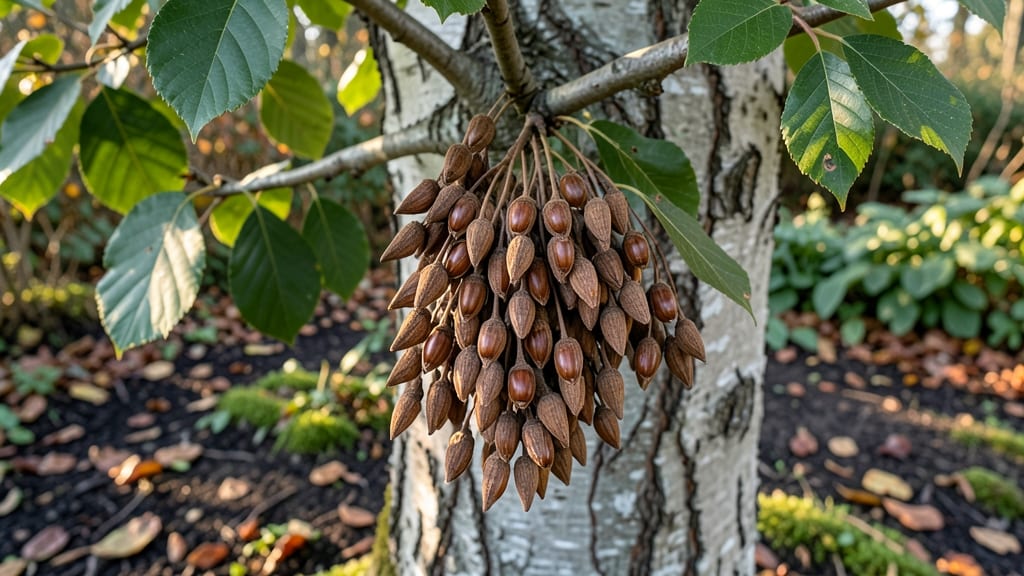
Those triangular beech seed pods are nature’s way of storing next year’s trees—if you harvest them right. 🌿 I’ve cracked the code on collecting them without losing the seeds inside, and the timing is everything.
The pods turn from green to brown in late fall, signaling they’re ready for gathering before the squirrels get to them.
Here’s the trick: twist them gently when they’re dry but still intact. A firm but careful turn releases the seeds cleanly, and you’ll end up with a handful of shiny brown nuts that look like tiny acorns.
These seeds need a cold period to break dormancy, so pop them in a damp paper towel in the fridge for 3 months—no fancy equipment needed.
Once stratified, plant them in well-draining soil with partial shade. Beech seedlings are slow but steady, so patience pays off. By the time they’re a foot tall, you’ll have a sturdy young tree that thrives in woodlands or as a shade provider for your garden.
Watch for mold during stratification and keep an eye out for rodents—they love these seeds too. With the right approach, you’ll go from seed pod to sapling in just a year, and your future beech tree will thank you for the head start.
📚 In This Guide
- What you need
- Instructions
- Tips and common mistakes
- Wrapping up and next steps
What you need
- ● Beech seed pods: Freshly fallen or still-attached pods from Fagus species (e.g., American or European beech). Aim for 1–2 lbs (0.5–1 kg) for a small planting project.
- ● Pruning shears or loppers: Sharp, bypass-style tools (rated for 2–3 inch (5–7.5 cm) cuts) to safely harvest pods without damaging the tree.
- ● Heavy-duty gloves: Leather or nitrile-coated gloves to protect hands from thorns and rough pod surfaces.
- ● Large mesh bags or breathable containers: 14–16 mesh bags (or paper grocery bags) to collect pods and allow airflow.
- ○ Twist-resistant tool (optional but recommended): A small screwdriver or seed pod opener (for gently prying open stubborn pods).
- ● Or a soft cloth or rubber mallet to avoid crushing seeds.
- ● Labeling tags: Waterproof tags and a permanent marker to track harvest dates and pod sources.
- ● Timing: Harvest pods in late fall (October–November) when they’re fully brown but still intact. Avoid wet conditions.
- ● Storage space: A cool, dry, and dark area (e.g., garage or shed) with 50–60% humidity for stratification.
- ○ Optional tools for efficiency: A ladder or extension pole (for high branches, 10–15 ft (3–4.5 m) max).
- ● A small hand trowel for planting pre-germinated seeds.
- ● A hydrometer to check seed moisture content (10–15% ideal for storage).
How to harvest beech seed pods without damaging the tree
Here's the gentle method I use to collect beech nuts for next year's plantings.
🪴 Step 1: Identify Mature Seed Pods
Look for seed pods that have turned from green to brown and appear dry and papery. The nuts inside should rattle when you shake the pod gently. I always check in late fall when the pods release their grip on the tree branches naturally. Avoid harvesting pods that are still green or have soft spots—they won't contain viable seeds.
Use a small pruning saw or sharp pruning shears to carefully cut the pods from the tree. Work slowly and avoid pulling or twisting, which can damage the tree's bark. I like to collect pods from the ground first—they've often fallen naturally and are easier to handle. If you need to reach higher branches, use a sturdy ladder and wear gloves to protect your hands from the sharp edges of the pods.
✂️ Step 2: Extract the Nuts Safely
Once you have the pods, place them in a large bucket or on a clean tarp. I like to work outside or in a well-ventilated area to avoid the dust that comes from opening the pods. Use a hammer and a flat, sturdy surface to gently tap the pods open. Place the pod on a hard surface and tap it firmly until it splits open—this should release the nuts inside.
Be careful not to crush the nuts while extracting them. I use a small screwdriver or a similar tool to carefully pry open stubborn pods. If the nuts are still sticky from the pod's resin, you can soak them in warm water for a few minutes to help loosen the adhesive. Once extracted, spread the nuts out on a clean towel or paper to dry completely—this prevents mold and ensures they'll store well for planting.
🌱 Step 3: Clean and Store the Seeds
After the nuts are fully dry, remove any remaining debris or empty pod fragments. I use a fine-mesh strainer or a sieve to sift through the nuts and separate them from any dust or small particles. This step is crucial for ensuring the seeds remain viable and free from pests or diseases that could harm them during storage.
Store the cleaned nuts in a cool, dry place, such as a sealed container or a breathable fabric bag. I label the container with the date and the type of beech tree they came from. Keep the container in a location where the temperature stays between 40-50°F—this mimics the natural winter conditions the seeds need to break dormancy. Check the nuts periodically to ensure they remain dry and free from moisture, which can lead to mold or spoilage.
⏰ Step 4: Prepare for Planting Next Spring
In early spring, before the ground thaws completely, prepare the seeds for planting. I like to soak the nuts in warm water for 24 hours to soften their hard outer shells. This process, called stratification, mimics the natural winter cycle and helps break dormancy. After soaking, plant the seeds about 1 inch deep in well-draining soil, spacing them 6 inches apart.
Keep the soil consistently moist but not soggy until the seeds germinate, which can take anywhere from 4-8 weeks. Once the seedlings emerge, thin them to the strongest 4 plants per 10-foot row to give them room to grow. Be patient—beech trees grow slowly, but with proper care, they'll reward you with beautiful foliage and a steady supply of seed pods for years to come.
Tips & tricks for perfect beech seed pod harvesting
These gentle techniques ensure you collect healthy seeds without harming your trees.
Timing Secret: Harvest in late fall when pods naturally release from branches. This is when they're fully mature and ready to drop—waiting until they fall on their own saves you from climbing and minimizes tree stress. If you must harvest earlier, only collect pods that feel completely dry and papery, not those still clinging tightly to the tree.
Tool Strategy: A small pruning saw works best for cutting pods from branches, but if you don't have one, sharp pruning shears will do. For ground pods, use a sturdy bucket lined with a clean tarp to collect them efficiently. I've found that working on a dry day prevents the pods from sticking to wet surfaces, making cleanup much easier.
Extraction Wisdom: When tapping pods open, place them on a hard surface like a concrete step or thick wooden board. A hammer works well, but for stubborn pods, I use a small screwdriver to gently pry them open without damaging the nuts inside. The key is patience—rushing can crush the seeds or leave fragments behind that reduce viability.
Storage Insight: After cleaning, store your beech nuts in a breathable fabric bag rather than a sealed container. This allows for slight air circulation while preventing moisture buildup. I've had the best success with cotton or burlap bags that let the seeds "breathe" during their dormancy period. Just remember to check them monthly for any signs of mold or dampness.
Pro Tips for Beech Seed Pods
- These gentle techniques ensure you collect healthy seeds without harming your trees.
- Timing Secret: Harvest in late fall when pods naturally release from branches.
- Tool Strategy: A small pruning saw works best for cutting pods from branches, but if you don't have one, sharp pruning shears will do.
Frequently asked questions
Got questions about harvesting, storing, or using beech seed pods?
Here are some of the most common queries—and their practical answers—to help you get the most out of your seed collection!
When is the best time to harvest beech seed pods?
Harvest beech seed pods in late fall or winter (November–February) when they turn brown and split open naturally. Avoid collecting them too early—they won’t be fully mature, and seeds may not germinate well. Wait until most pods on the tree have opened slightly for the best viability.
How do I know if the seeds inside are still good?
Fresh beech seeds should be plump, firm, and dark brown. If they’re shriveled, moldy, or have a musty smell, they’ve lost viability. For a quick test, drop a few in water—good seeds sink, while hollow or empty ones float. Store only the best seeds in a cool, dry place for next year’s planting!
Can I plant beech seeds directly where I found them?
While you can scatter seeds where you harvested them, beech trees thrive best in well-draining, slightly acidic soil with partial shade. If your yard has heavy clay or full sun, consider amending the soil or planting in a prepared bed. Young seedlings are delicate—mulch lightly to protect them from drying out.
What’s the best way to remove seeds from stubborn pods?
Beech pods are tough! Use a nutcracker or pliers to gently pry them open—avoid crushing the seeds. For bulk harvesting, lay pods on a tarp and roll over them with a heavy book or log. Wear gloves to protect your hands from the fuzzy husks. Pro tip: Soak pods in warm water for 10 minutes to soften them slightly before cracking.
How long can I store beech seeds before planting?
Beech seeds stay viable for 1–2 years if stored properly in a paper bag or breathable container in the fridge (not frozen). Label them with the harvest date! For best results, plant them as soon as possible—germination rates drop after the first year. If you’re unsure, do a germination test by soaking a few seeds in water for 24 hours.
Wrapping up and next steps
Beech seed pods may seem tricky to harvest, but with the right techniques—like twist-resistant handling and proper timing—you can ensure high-quality seeds for next year’s plantings. 🌱 Whether you’re a gardener or a lawn enthusiast, mastering this process unlocks the potential for free, organic propagation and a thriving ecosystem.
Ready to take the next step? Grab your gloves, head outdoors, and start collecting those pods before they open! Your future beech trees—and a healthier landscape—will thank you.