
Planting
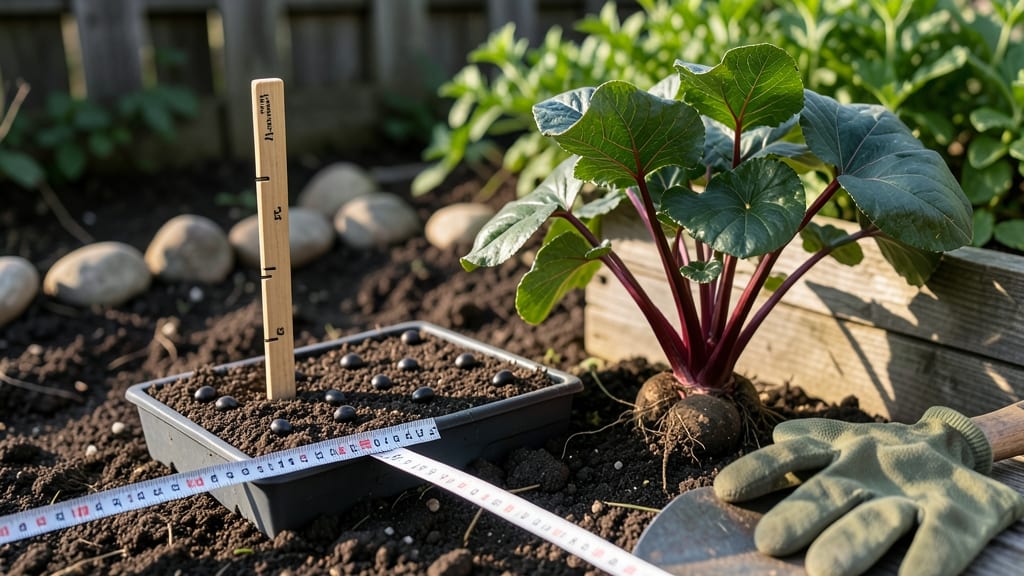
Proper beet seed spacing turns scraggly seedlings into bushy, high-yielding harvests—and I’ve learned the hard way what happens when you crowd them. 🌱 Last spring, my beets grew twisted and stunted because I planted too close; this year, I’m sharing the exact spacing that produces plump, earthy roots every time.
The secret isn’t just inches—it’s timing. Start seeds ½ inch deep and 1 inch apart, then thin to 3–4 inches between plants once they sprout. Rows should be 12–18 inches apart to allow airflow and easy weeding.
Too tight, and you’ll fight for space; too wide, and you waste garden real estate. With the right spacing, you’ll harvest smooth, vibrant beets in 50–60 days, with fewer pests and less competition. The key is patience—thinning might feel cruel, but it pays off in flavor and size.
Works for both baby beets (harvest at 2 inches) and full-sized roots. Here’s how to get it right the first time.
📚 In This Guide
- What you need
- Instructions
- Tips and common mistakes
- Wrapping up and next steps
What you need
- ● Beet seeds: Choose certified organic or heirloom varieties (e.g., Detroit Dark Red, Golden Beet, or Chioggia). Quantity: ~1–2 lbs per 100 ft² (adjust based on desired yield).
- ● Seed starter soil or potting mix: Lightweight and well-draining (1–2 gallons per planting tray or cell pack).
- ● Planting containers or seed trays: Biodegradable pots (2–3 inches deep) or cell packs (for indoor starts).
- ● Garden soil: Loamy, well-draining soil with a pH of 6.0–7.0 (amend with compost if needed).
- ● Fertilizer: Balanced organic fertilizer (e.g., 5-5-5) or compost tea for transplanting.
- ● Hand trowel or transplanting tool: For digging small, precise holes.
- ● Ruler or spacing guide: To measure 1–2 inches apart for seeds (or 3–4 inches apart for transplants).
- ● Watering can with a fine rose: For gentle watering to avoid disturbing seeds.
- ● Mulch (straw or shredded leaves): To retain moisture and suppress weeds (1–2 inches thick).
- ○ Garden twine & stakes (optional): For marking rows if planting in large beds.
- ● Weather check: Plant seeds 4–6 weeks before your area’s last frost date (beets tolerate light frost!).
- ● Sunlight: Full sun (6+ hours daily) or partial shade (4–6 hours).
- ● Water access: Consistent moisture (avoid soggy soil—beets hate it!).
Precision planting for beet seed spacing: how to maximize your harvest
Mastering beet seed spacing transforms scraggly roots into plump, uniform harvests. Here's how I ensure every plant thrives.
🌱 Step 1: Prepare the Soil for Optimal Germination
Loosen the top 6 inches of soil with a garden fork or tiller to break up compacted layers. Beets need deep, friable soil to develop their full taproots. I like to work in a handful of compost here—this improves drainage while providing nutrients for steady growth. Smooth the surface afterward so you can create precise planting lines.
Test moisture by squeezing a handful of soil—it should hold together but crumble when poked. If too dry, water lightly the day before planting. Too-wet soil will cause seeds to rot before they sprout. Aim for soil that feels like a damp sponge rather than mud or dust.
🌱 Step 2: Create Proper Planting Lines with Correct Spacing
Use a garden rake to draw shallow furrows 12-18 inches apart—this gives mature beet plants room to spread without crowding. The key is precision: mark your rows with sticks or a string line to maintain straight lines. For seeds, I plant 1 inch apart within each furrow and 2 inches between seeds if using a drill planter.
Beets are notorious for producing multiple shoots from a single seed. Thin later, but proper spacing now prevents competition. I tap the seed packet gently to release one seed at a time—planting too many in one hole leads to weak, crowded seedlings. Cover seeds with ½ inch of fine soil, then water gently with a spray nozzle to avoid displacing seeds.
💧 Step 3: Water and Maintain Even Moisture for Germination
Keep the soil surface consistently moist until germination, which typically occurs in 7-14 days depending on temperature. Use a fine mist setting on your watering can to avoid washing seeds away. You'll know moisture is right when the soil surface looks slightly damp but not glistening.
Once seedlings emerge, reduce watering to 1 inch per week, allowing the top inch of soil to dry between waterings. Overwatering now causes beets to split or develop woody textures. I check moisture by pushing a finger 1 inch deep—if it feels dry, it's time to water.
✂️ Step 4: Thin Seedlings for Strong, Uniform Plants
When seedlings reach 2 inches tall and have their first true leaves, it's time to thin. Use scissors to snip unwanted plants at soil level—this prevents disturbing roots of remaining seedlings. Space plants 3-4 inches apart in rows 12 inches apart for bushy harvests.
Don't thin too early—young seedlings are fragile. If you wait until they're crowded, you'll have to pull plants by hand, which risks damaging roots. I always thin on a cloudy day to reduce stress on the remaining plants. After thinning, water deeply to help roots establish in the new spacing.
☀️ Step 5: Monitor Light and Adjust for Bushy Growth
Beets need full sun (6+ hours daily) to develop sweet, tender roots. If you notice leaves turning pale or stems stretching, your plants need more light. Rotate the planting area quarter-turn weekly to ensure even sun exposure and prevent shading.
Watch for signs of overcrowding—leaves touching between plants indicates it's time to thin again. Bushy beets with broad, dark green leaves are your goal. If you see yellowing between veins, it's often a sign of too much nitrogen—reduce fertilizer and focus on even watering to encourage root development.
Tips & tricks for perfect beet seed spacing
Here's what nobody tells you about turning scraggly beets into uniform, bushy harvests—these precision planting secrets make all the difference.
Soil Depth Matters: The 6-inch depth for loosening soil isn't just about breaking compaction—it's about creating a perfect environment for those deep taproots. I've found that adding a thin layer of coarse sand mixed with the compost helps prevent soil from packing down again after planting. This keeps roots from becoming misshapen or stunted as they grow downward. The goal is soil that's light enough to let roots expand freely but still holds moisture for steady growth.
Precision Planting Tool: For the 1-inch spacing within furrows, I use a simple DIY tool: a wooden dowel marked with 1-inch increments. This ensures consistent spacing without guessing. When planting, I make a tiny hole with my finger at each mark, drop in one seed, and cover immediately. The 2-inch spacing between seeds (when using a drill planter) prevents overcrowding right from the start—something I learned the hard way after seeing seedlings compete for nutrients in my first attempt.
Germination Moisture Secret: That "damp sponge" texture for soil moisture is critical during the 7-14 day germination window. I've found that using a spray bottle with a fine mist setting—rather than a watering can—gives me better control. The key is to keep the surface moist but never soggy; I check by pressing my finger into the soil. If it leaves a clean impression, you're golden. Too wet, and you risk seed rot; too dry, and seeds won't sprout. This is where most gardeners go wrong with beets.
Thinning Timing: Waiting until seedlings reach 2 inches tall with their first true leaves is perfect because it gives them enough energy to recover from thinning. I've found that using small scissors (rather than pulling by hand) prevents disturbing the roots of neighboring plants. The 3-4 inch spacing after thinning creates that ideal bushy growth pattern—plants have room to develop broad leaves while still sharing nutrients through their extensive root systems. This spacing also makes harvesting easier later on.
Pro Tips for Beet Seed Spacing
- Here's what nobody tells you about turning scraggly beets into uniform, bushy harvests—these precision planting secrets make all the difference.
- Soil Depth Matters: The 6-inch depth for loosening soil isn't just about breaking compaction—it's about creating a perfect environment for those deep taproots.
- Precision Planting Tool: For the 1-inch spacing within furrows, I use a simple DIY tool: a wooden dowel marked with 1-inch increments.
Frequently asked questions
Got questions about beet seed spacing?
You’re not alone! Here are answers to the most common queries to help you plant with confidence and grow thriving beets.
How close can I plant beet seeds together?
For bush beets, space seeds 1–2 inches apart in rows 12–18 inches apart. For longer varieties (like Chicago or Detroit), widen spacing to 2–3 inches between seeds and 18–24 inches between rows. Overcrowding leads to small, misshapen beets.
When is the best time to thin beet seedlings?
Thin seedlings when they’re 2–3 inches tall (about 3–4 weeks after sowing). Use sharp scissors or your fingers to snip at soil level—avoid pulling to prevent disturbing roots. Leave the strongest seedlings spaced as recommended (1–3 inches apart). Pro tip: Thin on a cloudy day to reduce stress on plants!
Can I plant beets in succession for continuous harvests?
Beets thrive in cool weather, so sow every 2–3 weeks until 6–8 weeks before your first fall frost. This staggered approach ensures a steady supply of fresh beets. Just avoid planting when soil temps exceed 85°F (29°C), as heat causes bolting (flowering).
What if my beets grow unevenly despite proper spacing?
Uneven growth often stems from uneven watering or poor soil fertility. Ensure soil stays consistently moist (1 inch of water per week) and amend with compost before planting. If beets bolt prematurely, mulch with straw to keep roots cool. Troubleshooting: Check for pests (leaf miners) and treat with neem oil if needed.
Are there alternatives to traditional seed spacing for small gardens?
Yes! Try square-foot gardening: Plant 16 seeds per square foot (4x4 grid) for bush beets, then thin to 1 seed per inch. For containers, use 5–7-inch pots with 1–2 seeds per pot. Bonus: Interplant with lettuce or radishes to maximize space!
Wrapping up and next steps
Mastering beet seed spacing is your secret weapon for a thriving garden—bigger roots, fewer weeds, and easier harvests await! 🌱 Whether you’re a seasoned gardener or just starting, precise planting sets the stage for success. Now that you’re armed with the right spacing tips, grab those seeds and get growing!
Ready for the next step? Plan your planting schedule based on your climate, or explore companion plants like lettuce or onions to maximize space and boost yields. Happy gardening—your future harvests will thank you! 🌟