
Lawn
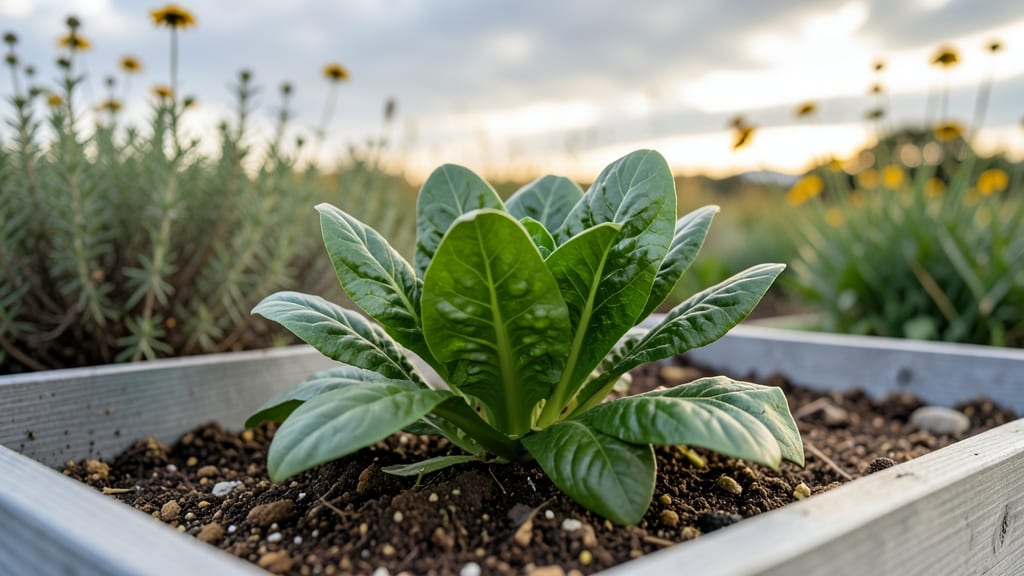
Growing Black Seed Simpson lettuce means you’re saving seeds that stay true to type—no twisty, bitter bolting surprises. 🌱 I’ve grown this variety for years because its dark seeds and crisp leaves hold up better in heat than most butterheads, and the harvest stays sweet for weeks longer.
The secret lies in timing: plant it early spring or late summer when days are shorter, and you’ll avoid the bitterness that turns lettuce into salad scraps.
Start with loose, well-draining soil rich in compost—this lettuce hates soggy roots. Space seeds ½ inch apart in rows 12 inches apart, and barely cover them with soil (just a sprinkle).
Keep the soil moist but not soaked, and thin seedlings to 6 inches apart once they’re 2 inches tall. A little shade cloth on hot afternoons keeps leaves tender, and mulch helps retain moisture while blocking weeds.
Watch for slugs and aphids—they love young lettuce—but a quick spray of soapy water or a beer trap (yes, really) keeps them away. Harvest outer leaves when they’re 4-6 inches tall, leaving the center to keep growing.
For seed saving, let a few plants bolt: the black seeds form in tight heads, and you can collect them 60-70 days after planting without the usual bitter twist.
This variety thrives in USDA zones 3-9, making it one of the most adaptable lettuces. Even in summer heat, it stays crisp longer than most, and the seeds store well for next year.
The key? Stay consistent with water and shade—once you master that, you’ll have fresh lettuce and reliable seeds for years.
📚 In This Guide
- What you need
- Instructions
- Tips and common mistakes
- Wrapping up and next steps
What you need
- ● Black Seed Simpson Lettuce Seeds – 1 packet (organic, non-GMO preferred for seed saving).
- ● Well-draining potting mix – 10-15 lbs (look for organic or seed-starting mix).
- ● Garden containers or seed trays – 2-3 shallow trays (6-8 inches deep) or 4-inch pots.
- ● Black seed-saving bags – 1-2 paper or mesh bags (for storing harvested seeds).
- ● Twist ties or rubber bands – 5-10 (to secure seed heads).
- ● Pruning shears or clean scissors – 1 pair (for harvesting).
- ● Watering can or spray bottle – 1 (for gentle hydration).
- ● Garden gloves – 1 pair (to protect hands from prickly stems).
- ● Labeling tags or markers – 5-10 (to track seed varieties).
- ○ Grow lights (optional) – 1-2 (if starting indoors in low light).
- ● Humidity dome or plastic wrap – 1 (to retain moisture for seedlings).
- ● Seed catalog or notebook – 1 (to log harvest dates and traits).
How to harvest black seed simpson lettuce for seed saving
Let me show you the gentle way to save seeds from this heirloom variety—no twisting, no stress, just reliable results.
🌱 Step 1: Identify and Select Mature Heads
Wait until your Black Seed Simpson lettuce forms fully closed, compact heads—this usually happens 60-70 days after planting. The heads should feel firm to the touch and show deep green, slightly wrinkled leaves at the base. Avoid selecting any heads that have started bolting (sending up flower stalks) prematurely, as these seeds may not be true to type.
Here's the thing—you'll want to harvest 4-6 heads at once for a good seed crop. I like to work on a cloudy day or in the late afternoon when the plants are less stressed. Gently grasp the base of the head and twist firmly but slowly—you'll feel a slight resistance before it releases cleanly from the root. If it snaps easily, the head isn't quite mature enough.
☀️ Step 2: Dry the Heads Properly Before Processing
Lay the harvested heads on a clean, dry surface in a shady, well-ventilated area with good airflow. This prevents mold and ensures even drying. I use a wooden cutting board placed on my garage floor—it's sturdy and lets air circulate underneath. Leave them undisturbed for 7-10 days, checking daily for any signs of moisture or softening.
You'll know they're ready when the outer leaves crisp up and turn brown, and the heads feel lightweight when lifted. If any heads start to feel damp or smell musty, spread them out immediately in a single layer. The goal is to dry them completely—no exceptions. Damp seeds won't store properly and may develop mold during the drying process.
✂️ Step 3: Extract Seeds from Dried Heads
Once fully dried, place each head in a paper bag (the kind seeds come in works perfectly). Seal the bag loosely and gently squeeze to release the seeds inside. You'll hear a soft rustling as they fall free. I like to do this over a clean sheet of newspaper to catch any stray seeds that might escape the bag.
After squeezing, lay the empty heads on the newspaper and brush out any remaining seeds with your fingers or a soft brush. The heads should now be completely empty—if you see any seeds still clinging, give them one final squeeze. Store the empty heads in a compost bin (they're fully decomposed at this point).
🪴 Step 4: Clean and Store Seeds for Next Season
Empty the seeds from the paper bags onto a clean, dry surface. Use a fine-mesh sieve to sift through them, separating any debris or chaff. The seeds should be small, dark brown, and slightly elongated—about the size of a pinhead. Discard any seeds that look shriveled, discolored, or misshapen, as these won't germinate well.
Transfer the clean seeds to a glass jar or airtight container and label it with the variety name and harvest date. Store the container in a cool, dark place—I keep mine in the back of my pantry where the temperature stays around 40-50°F. Under these conditions, Black Seed Simpson lettuce seeds remain viable for 3-4 years, though they'll germinate best if used within the first year.
⏰ Step 5: Test Germination Before Planting Next Season
Before you commit to planting your saved seeds, do a quick germination test. Place 10 seeds on a damp paper towel inside a sealed plastic bag. Keep them in a warm, dark place (around 70°F) and check daily for sprouts. You should see 50% or more of the seeds germinate within 7-10 days—this tells you your seeds are still good to go.
If germination is lower than expected, don't panic. You can still plant them, but expect a thinner stand. I've had batches where only 30% germinated, and while it was disappointing, the seedlings that did come up were strong and healthy. The key is to plant extra seeds if your test results are poor—just in case.
Tips & tricks for perfect black seed simpson lettuce seed harvesting
These gentle techniques will help you save viable seeds without stressing your plants or compromising quality.
Timing is Everything: Harvest your Black Seed Simpson lettuce heads when they're fully closed and firm—this usually happens between 60-70 days after planting. I can't stress this enough: immature heads won't produce viable seeds, and overripe ones may bolt prematurely. Check daily during the final week, giving them a gentle squeeze to test firmness. The heads should feel solid, like a small cabbage, not soft or spongy.
Environment Matters: Choose a cloudy day or late afternoon for harvesting to minimize plant stress. The cooler temperatures help preserve seed viability. When drying, place your heads in a shady, well-ventilated spot—I've found that a wooden cutting board on a garage floor works perfectly, allowing airflow underneath while protecting from direct sunlight. This 7-10 day drying period is crucial; don't rush it, even if some heads look ready sooner.
Seed Extraction Technique: Once your heads are completely dry (outer leaves crisp and brown), place them in paper bags and squeeze gently to release seeds. I've learned the hard way that forcing the process can damage seeds—listen for that soft rustling sound as they fall free. After squeezing, spread the empty heads on newspaper and brush out any remaining seeds with your fingers. This two-step method ensures you capture nearly every viable seed without breaking them.
Storage Wisdom: Keep your clean seeds in a cool, dark place (around 40-50°F) in an airtight container. I always label mine with the variety and harvest date—trust me, you'll forget otherwise! The seeds will stay viable for 3-4 years, but germination rates drop significantly after the first year. For best results, use them within 12 months. A simple glass jar in your pantry works perfectly, just make sure it's completely dry before sealing.
Pro Tips for Black Seed Simpson Lettuce
- These gentle techniques will help you save viable seeds without stressing your plants or compromising quality.
- Timing is Everything: Harvest your Black Seed Simpson lettuce heads when they're fully closed and firm—this usually happens between 60-70 days after planting.
- Environment Matters: Choose a cloudy day or late afternoon for harvesting to minimize plant stress.
Frequently asked questions
How do I know when Black Seed Simpson Lettuce is ready for harvest?
Harvest leaf lettuce when leaves reach 4–6 inches long (about 30–45 days after sowing). For heads, wait until they’re firm but still tender—typically 50–60 days. Cut outer leaves first to encourage regrowth, or harvest the whole head at once. Pro tip: Morning harvests yield crispest leaves!
Why is my lettuce bolting (going to seed) too early?
Bolting happens when lettuce senses heat or stress. Black Seed Simpson is bolt-resistant, but avoid planting in hot summer months (aim for spring/fall). Use shade cloth (30–50%) if temps rise above 75°F (24°C). Mulch with straw to keep roots cool. Pro tip: Succession plant every 2–3 weeks for continuous harvests!
Can I save seeds from Black Seed Simpson Lettuce at home?
Yes! Let a few heads mature fully (turn brown and dry) on the plant. Twist gently to release seeds—Black Seed Simpson’s twist-free trait makes this easy. Store seeds in a cool, dry place (paper envelope) for up to 3 years. Pro tip: Label seeds with the harvest year to track viability!
What’s the best way to store harvested lettuce?
Wrap loose leaves in damp paper towels and store in a sealed container with a plastic bag (remove excess air). Keep in the crisper drawer (32–35°F/0–2°C) for 7–10 days. For whole heads, trim stems and store similarly. Pro tip: Pair with a carrot in the container to slow wilting!
Are there alternatives if I can’t grow Black Seed Simpson?
Try these twist-free, bolt-resistant varieties:
- Jericho – Heat-tolerant, great for summer
- Black Seeded Simpson Hybrid – Similar traits, hybrid vigor
- Oakleaf – Decorative, slow-bolting
Wrapping up and next steps
Black Seed Simpson lettuce isn’t just a delicious addition to your garden—it’s a game-changer for seed saving! With its twist-free stems and reliable seed production, you can easily preserve heirloom varieties year after year.
Whether you're a seasoned gardener or just starting out, growing and saving seeds has never been simpler.
Ready to take the next step? Plant a few rows this season and experience the joy of harvesting your own seeds—no twists, no fuss! 🌱✨