
Transplanting
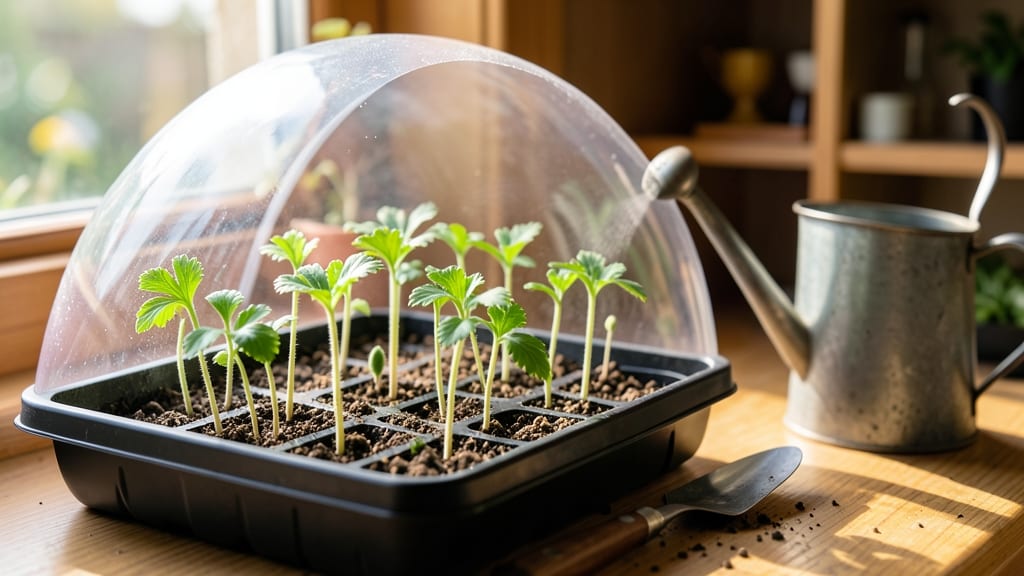
Growing breadseed poppy seedlings in direct sunlight means seeing those first tiny leaves in just 7 days. 🌱 I’ve watched these delicate sprouts push through soil faster than almost any other flower—it’s like nature’s way of rewarding patience with instant gratification.
The secret? A warm spot, consistent moisture, and no fussing with transplant shock.
You’ll need a shallow tray, well-draining soil mix, and a sunny windowsill or greenhouse shelf. Poppy seeds are finicky about moisture—too much and they rot; too little and they dry out.
The key is light watering daily until germination, then letting the soil dry slightly between waterings. No fancy equipment needed, just a sunny spot and a gentle touch.
Once those first leaves appear, you’ll notice how quickly they grow toward the light. Within two weeks, seedlings will be ready for their permanent home in the garden. The real magic happens when they bloom—those papery, cup-shaped flowers are worth every minute of care.
For best results, plant in early spring after the last frost or late summer for a fall display. If you’re in a cooler climate, start seeds indoors 4-6 weeks before the last frost date. The payoff? A garden filled with poppies that self-seed year after year with almost no effort.
📚 In This Guide
- What you need
- Instructions
- Tips and common mistakes
- Wrapping up and next steps
What you need
- ● Breadseed poppy seeds: 1–2 teaspoons (about 5–10g) of high-quality, untreated seeds (ensure they’re labeled for sprouting or gardening).
- ● Growing container: A shallow tray (8x12 inches or larger) with drainage holes, or
- ● A glass jar with a mesh lid (for sprouting in water).
- ● Growing medium (choose one): Paper towels or coffee filters (for water sprouting), or
- ● Potting soil (lightweight, seed-starting mix with perlite or vermiculite).
- ● Spray bottle: For gentle watering (avoid over-saturating seeds).
- ● Sunlight access: A sunny windowsill (south-facing) or a grow light (12+ hours/day).
- ● Fine-mesh sieve: Helps rinse seeds if using the water-sprouting method.
- ● Humidity dome or plastic wrap: Creates a mini greenhouse effect (remove once sprouts emerge).
- ● Small hand trowel: For transferring seedlings to soil after sprouting.
- ○ Fertilizer (optional): A diluted seaweed or fish emulsion (1:10 ratio) for faster growth.
- ● Label or marker: To track planting dates (breadseed poppies grow fast!).
Step-by-step instructions for growing breadseed poppy seedlings
Here's how to coax those delicate poppy sprouts through the soil in under a week.
🌱 Step 1: Prepare the Growing Medium
Poppy seeds need loose, well-draining soil to prevent damping-off. Mix 1 part perlite or coarse sand with 3 parts seed-starting mix—this creates the airy texture poppies crave. Fill your containers to within ½ inch of the rim, leaving room for seeds and moisture. Gently press the mix down with your fingers until it's firm but not compacted.
I like to add a ¼-inch layer of compost on top before planting. This gives seedlings a gentle nutrient boost without overwhelming them. Poppies are sensitive to over-fertilization, so keep it light. Water the mix until it's evenly moist but not soggy—think of a wrung-out sponge. You want moisture throughout but no standing water.
🌱 Step 2: Plant Seeds at the Right Depth
Poppy seeds are tiny—⅛ inch deep is ideal. I use a toothpick to create small holes in the soil surface, then place 2-3 seeds per hole (they germinate unpredictably). Cover them with a thin layer of soil, just enough to obscure the seeds. Pat gently to ensure good seed-to-soil contact.
Don't press too hard—you'll smother the seeds. A light misting with water afterward helps settle the soil around them. Here's the thing—poppy seeds need darkness to germinate, so avoid pressing them into bright light immediately. Once they sprout, you'll see tiny green hooks pushing through the soil within 4-7 days.
☀️ Step 3: Provide Warmth and Controlled Light
Poppy seedlings thrive at 65-75°F during germination. Place your containers in a warm, sunny spot—a south-facing windowsill or under a grow light set to 14-16 hours daily. If your home runs cooler, a seedling heat mat keeps the soil consistently warm.
Resist the urge to move them too soon. Once the first true leaves (not the initial seed leaves) appear, you can gradually introduce them to direct sunlight for 2-3 hours daily. Poppies love light but can scorch if exposed too quickly. Watch for pale, leggy stems—this means they're stretching for light and need to be moved closer to the source.
💧 Step 4: Water Gently and Maintain Moisture
Poppy seedlings hate soggy roots but won't survive drought. Water only when the top inch of soil feels dry—use a spray bottle to mist the soil gently. Avoid overhead watering once they sprout; it can dislodge tiny seedlings or cause fungal issues.
I like to water in the early morning so excess moisture evaporates by evening. Poppies are drought-tolerant once established, but seedlings need consistent moisture. You'll know you're doing it right when the soil stays evenly damp but not waterlogged. Overwatering is the #1 killer of young poppies—roots rot quickly in dense, wet soil.
✂️ Step 5: Thin and Support as They Grow
Once seedlings reach 2 inches tall, thin to the strongest plant per hole using scissors to avoid disturbing roots. Poppies grow best with space to breathe—aim for 6-8 inches between plants at maturity. I also add a small stake near each seedling early to prevent flopping later.
Poppy stems are hollow and can snap easily. If you notice seedlings leaning, gently weave a piece of twine around the stem and stake to provide support. By the time they reach 4-6 inches, they'll be sturdy enough to stand on their own. This is also when you can reduce watering slightly—poppies prefer dry feet once established.
Tips & tricks for perfect breadseed poppy sprouting
Here's what I learned after watching three batches of poppy seeds fail before nailing this method.
Soil Texture is Everything: The 1:3 ratio of perlite to seed-starting mix is non-negotiable—poppy roots need that air space to breathe. If your mix feels dense after pressing, add another 10% perlite. I've found that using coarse horticultural sand instead of perlite works too, but rinse it thoroughly first to remove fine particles that can clog the soil. The goal is a texture that crumbles easily between your fingers.
Germination Darkness Secret: Those tiny seeds need complete darkness to sprout, which is why covering them with just enough soil to obscure them is crucial. Here's the trick: after planting, place a small piece of cardboard or aluminum foil over the containers until you see those first green hooks appear. This prevents premature exposure to light, which can stunt germination. Remove the cover only after you spot sprouts—usually within the 4-7 day window.
Heat Mat Hack for Slow Germination: If your home stays below 65°F, a seedling heat mat set to low (around 70°F) can cut germination time by half. I place mine under the containers for the first 3-4 days, then remove it once sprouts emerge. The key is maintaining consistent warmth—fluctuations can shock the seeds. For extra insurance, group containers together to create a microclimate that traps warmth.
Light Transition Strategy: When you're ready to introduce those 2-3 hours of direct sunlight, do it gradually over 3 days. Start with just 1 hour on day one, then add an hour each subsequent day. Watch for the seedlings' response: if leaves look slightly curled or stems elongate too quickly, they're getting too much light too soon. Poppies are sun-lovers, but they need time to acclimate—think of it like giving them sunglasses before stepping into bright sunlight.
Pro Tips for Breadseed Poppy Seedlings
- Here's what I learned after watching three batches of poppy seeds fail before nailing this method.
- Soil Texture is Everything: The 1:3 ratio of perlite to seed-starting mix is non-negotiable—poppy roots need that air space to breathe.
- Germination Darkness Secret: Those tiny seeds need complete darkness to sprout, which is why covering them with just enough soil to obscure them is crucial.
Frequently asked questions
Got questions about growing breadseed poppy seedlings?
You’re not alone! Here are answers to the most common concerns—from timing to troubleshooting—so you can confidently start your seedlings in direct sunlight.
How soon can I expect breadseed poppy seedlings to sprout?
With the right conditions (warm soil, direct sunlight, and consistent moisture), breadseed poppy seedlings typically sprout within 3–7 days. If you’re impatient, keep the soil warm (70–75°F) and avoid overwatering, which can delay germination. Patience pays off—once they pop, growth is fast!
What’s the best time of year to plant breadseed poppy seeds?
For fastest germination, plant seeds in early spring (after the last frost) or late summer (8–10 weeks before the first frost). These poppies thrive in cooler weather but need full sun—avoid planting in scorching midday heat, which can dry out seeds before they sprout.
Do breadseed poppy seedlings need bottom watering?
Bottom watering (adding water to the tray) is ideal to prevent damping off—a fungal issue that can kill young seedlings. Fill a shallow tray with 1–2 inches of water, place your seedling pots in it, and let them absorb moisture for 10–15 minutes. Drain excess water to avoid root rot.
Can I use regular potting soil for breadseed poppy seedlings?
Yes! A light, well-draining mix (like 50% potting soil + 50% perlite or sand) works best. Avoid heavy garden soil, which can compact and suffocate roots. For extra speed, add a slow-release fertilizer (like 5-10-5) to the mix—poppies love a gentle nutrient boost.
Why aren’t my breadseed poppy seeds germinating?
Check these common culprits:
- Cold soil: Poppies need warmth (use a heat mat if temps drop below 60°F).
- Too much moisture: Seeds rot if soggy—water lightly and keep soil barely damp.
- Old seeds: Store-bought seeds last 1–2 years; if older, soak in warm water overnight to test viability.
- Depth issues: Plant seeds only ¼ inch deep—they need light to trigger germination.
Wrapping up and next steps
Growing breadseed poppy seedlings in just 7 days with direct sunlight is not only rewarding but also a testament to nature’s speed and resilience! 🌱 With the right materials—like quality seeds, well-draining soil, and proper hydration—you’re well on your way to nurturing thriving plants.
This method proves that even beginners can cultivate vibrant seedlings with minimal fuss.
Now that you’re armed with tips and answers, take the leap and start your poppy journey today! Whether you’re growing for culinary, medicinal, or ornamental purposes, every seedling is a step toward a bountiful harvest. Happy planting—your future poppies are waiting! 🌻