
Lawn
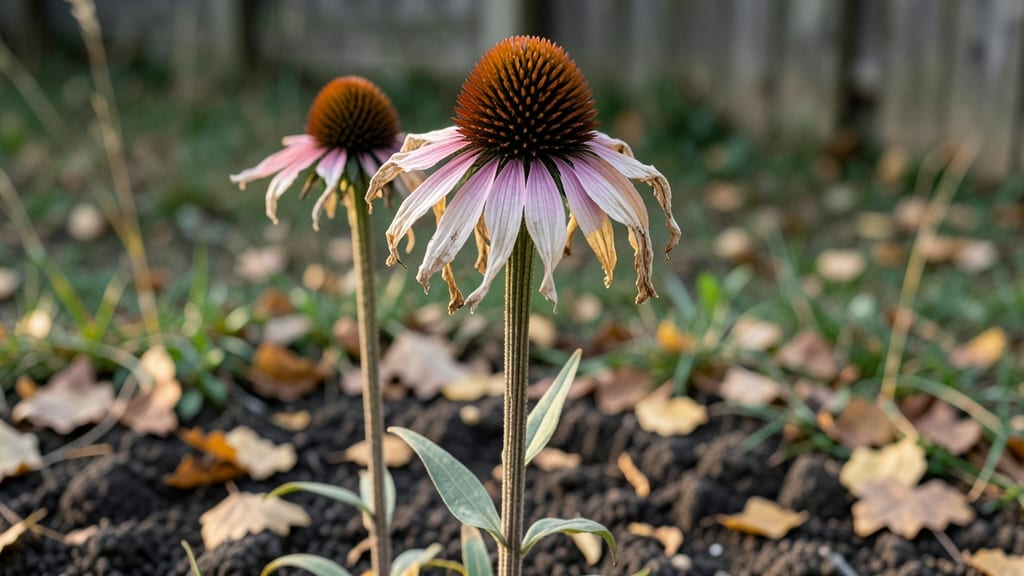
Twisting coneflower seed heads the wrong way ruins everything—here's how to do it right. ✨ The key is timing and technique: harvest when the seed heads turn brown and papery, but before they scatter. I’ve learned that patience here means more blooms next spring, not fewer.
Start with clean, dry pruners or your hands (yes, you can twist them off by hand if they release easily). The goal is to preserve the seeds inside for planting or leave them for birds and bees.
If you’re saving seeds, place the heads in a paper bag and let them dry completely before storing in a cool, dark spot.
For dried arrangements, harvest when the seed heads are fully mature but still intact. The rusty-brown color and papery texture make them stunning in winter bouquets. You’ll end up with seed heads that stay twist-resistant and beautiful for months—no more crumbling mess when you try to harvest.
Leave some seed heads on the plant for wildlife, especially if you want more coneflowers next year. The birds and bees will thank you, and you’ll get free pollination. The twist-resistant technique works for both harvesting and leaving them be—just adjust your timing.
📚 In This Guide
- What you need
- Instructions
- Tips and common mistakes
- Wrapping up and next steps
What you need
- ● Mature coneflower plants – Choose healthy, fully bloomed Echinacea plants with dried seed heads (late summer/early fall).
- ● Pruning shears or sharp scissors – Clean, sterilized tools (e.g., Felco pruners or bypass shears) to avoid damaging stems.
- ● Paper bags or brown lunch bags – 1–2 per plant (or a large cardboard box with holes for airflow).
- ○ Newspaper or paper towels – For drying seed heads indoors (optional but helpful).
- ● Small mesh bags or envelopes – For long-term seed storage (e.g., seed-saving envelopes or breathable fabric bags).
- ● Permanent marker – To label seeds with the variety and harvest date.
- ● Gloves – Lightweight gardening gloves to protect hands from prickly seed heads.
- ● Drying rack or screen – Elevates seed heads for faster drying (e.g., a wire cooling rack).
- ● Fan or dehumidifier – Speeds up drying in humid climates.
- ● Seed catalog or notebook – To track varieties and germination notes.
- ● Twist ties or rubber bands – Secure seed heads to stems if drying indoors.
How to harvest coneflower seed heads without breaking them
Here's how I save seeds from my coneflowers every year—no snapping stems or wasted blooms.
☀️ Step 1: Wait Until Seed Heads Are Fully Dry and Brown
Leave the seed heads on the plant until they turn completely brown and papery, usually 4-6 weeks after flowering. You'll know they're ready when you can gently rub two dried heads together and see seeds fluttering to the ground. This ensures maximum seed viability and prevents premature seed drop.
Check seed heads in the morning when dew is present. If the heads feel light and brittle to the touch, they're ready. Avoid harvesting when the stems are still damp—this makes them more prone to snapping when you twist.
✂️ Step 2: Cut Stems at a 45-Degree Angle Below the Seed Head
Use clean pruners or sharp scissors to cut the stem about 2 inches below the seed head. This prevents water from pooling at the cut and keeps the stem from rotting. Hold the seed head firmly with one hand while cutting—this gives you better control and reduces the chance of accidentally crushing the dried florets.
Don't pull or twist the seed head off by hand. The stems are woody by this point and will snap easily, wasting your harvest. A clean cut also makes it easier to store the seed heads without damaging the delicate structures holding the seeds.
🪴 Step 3: Hang Seed Heads Upside Down in a Dry, Dark Place
Bundle the cut stems together and hang them upside down in a dry, well-ventilated area like a garage or shed. I tie them with twine and hang them from a hook or nail. This keeps the seed heads elevated, allowing any remaining moisture to evaporate while preventing rodents or insects from getting to the seeds.
Leave them hanging for 2-4 weeks until all seeds have fallen into a bowl or paper bag placed underneath. You'll know the process is complete when the seed heads look completely empty and the stems feel hollow when tapped gently.
🌱 Step 4: Clean and Store Seeds for Next Year's Planting
Once the seeds have fallen, remove any debris like chaff or small stems by hand or with a fine-mesh sieve. Store the clean seeds in a labeled paper envelope or small glass jar in a cool, dry place. I keep mine in the fridge for up to 2 years—this preserves their viability better than room temperature storage.
Label each envelope with the variety name and harvest date. Coneflower seeds can be tricky to identify once dried, and mixing varieties can lead to unexpected flower colors in your garden next season. A little organization now saves headaches later!
Tips & tricks for perfect coneflower seed harvesting
Here's what I've learned after years of saving seeds without breaking a single stem—these little tricks make all the difference.
Timing is Everything: The 4-6 week wait after flowering is non-negotiable for maximum seed viability. I mark my calendar when coneflowers bloom so I don't accidentally harvest too early. The seeds need this full time to mature properly—rushing means you'll get fewer, less viable seeds. Check in the morning when dew is present; the heads will feel light and brittle when ready, like crumpled paper.
Tool Selection Matters: Sharp pruners or clean scissors are worth investing in for this step. I've tried using my fingers and ended up with crushed seed heads—don't make that mistake! The 2-inch cut below the seed head creates a clean break that prevents water pooling. I also keep a small bucket nearby to catch any seeds that might fall during cutting, especially from lower stems.
Hanging Technique: The upside-down hanging method works best when you bundle stems tightly and secure them well. I use old twine from my garden supply and make sure the bundles are stable—no wobbling! Place them in a dark, well-ventilated area where they won't get disturbed. A simple clothesline in the garage works perfectly. The 2-4 week hanging time can vary based on humidity, so check weekly if you're in a particularly damp climate.
Storage Wisdom: That fridge storage for up to 2 years is a game-changer for seed longevity. I've tested room temperature storage and found viability drops significantly after just 6 months. Labeling with both variety and date is crucial—coneflower seeds can look identical from different varieties once dried. I also add a small paper tag with the planting zone information since this affects germination rates.
Pro Tips for Coneflower Seed Heads
- Here's what I've learned after years of saving seeds without breaking a single stem—these little tricks make all the difference.
- Timing is Everything: The 4-6 week wait after flowering is non-negotiable for maximum seed viability.
- Tool Selection Matters: Sharp pruners or clean scissors are worth investing in for this step.
Frequently asked questions
Got questions about harvesting coneflower seed heads? You’re not alone! Here are some of the most common queries—plus straightforward answers to keep your garden thriving.
When is the best time to harvest coneflower seeds?
Harvest seed heads once they’ve fully matured and turned brown, usually late summer to early fall (August–October, depending on your climate). Wait until the centers are dry and papery—this ensures viability. Avoid harvesting too early, or seeds won’t be ready for planting!
How do I store coneflower seeds for next year?
After harvesting, let seeds dry in a cool, dry place (like a paper bag) for 1–2 weeks. Store them in an airtight container in the fridge (or freezer) for up to 2 years. Label them with the harvest date to track freshness!
Will harvesting seeds hurt my coneflowers?
Not at all! Removing seed heads actually encourages more blooms by redirecting energy to flowers instead of seed production. Just leave a few heads for pollinators—bees and birds love them!
What if my coneflower seed heads won’t open?
If seed heads stay closed, they may need more time to dry. Try gently squeezing them between your fingers or placing them in a paper bag for a few days to speed up the process. Avoid moisture—they’ll stay stubbornly shut!
Can I plant coneflower seeds straight from the garden?
Yes! After harvesting, you can sow seeds directly in the fall or wait until spring. Coneflowers are hardy and often self-seed naturally—just scatter them lightly on soil and barely cover them. No stratification needed!
Wrapping up and next steps
Harvesting coneflower seed heads is a simple yet rewarding way to ensure next year’s vibrant blooms while adding a touch of rustic charm to your garden.
By following the right techniques—like twisting gently, drying properly, and storing seeds correctly—you’ll not only propagate your favorite varieties but also create beautiful winter decor. Now’s the perfect time to put these tips into action! Grab your pruners, head outdoors, and enjoy the process of nurturing your garden’s future.