
Planting
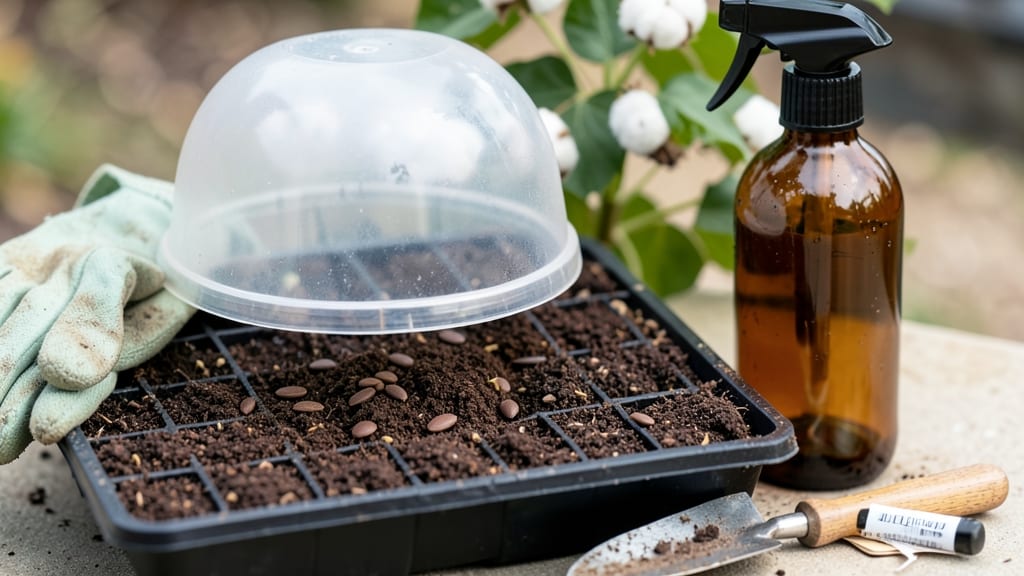
Sowing cotton seeds too early means waiting months for germination—precision timing is the difference between thriving plants and wasted effort. 🌱 I learned this the hard way after planting seeds in cool spring soil and watching them rot before sprouting.
The key is waiting until the soil stays above 65°F for at least a week, which typically means late spring or early summer in most climates. You’ll need well-draining soil mixed with compost, seeds planted ¼-inch deep, and spacing 12-18 inches apart for full-grown plants.
Water gently after planting—cotton seeds need consistent moisture but hate soggy soil. Most varieties take 7-14 days to germinate, so patience is key. Once those first leaves appear, you’ll see why cotton’s worth the wait: lush, broad foliage and—if you’re lucky—fluffy white blooms by mid-summer.
The payoff comes in fiber, oil, or even ornamental value, depending on your variety. For beginners, the biggest mistake is rushing the process. Wait for warm soil, keep it moist but not drenched, and you’ll avoid the most common pitfalls. Let’s get those seeds in the ground the right way!
📚 In This Guide
- What you need
- Instructions
- Tips and common mistakes
- Wrapping up and next steps
What you need
- ● Cotton seeds: High-quality, certified seeds (e.g., Gossypium hirsutum or Gossypium barbadense). Quantity depends on field size (e.g., 10–20 lbs/acre for direct sowing).
- ● Seed drill or planter: Adjustable for depth (1–2 inches) and spacing (12–18 inches between rows). Mechanical drills save time for large plots.
- ● Soil testing kit: Check pH (ideal: 6.0–7.5) and nutrient levels (especially nitrogen, phosphorus, potassium). Adjust with lime or fertilizer as needed.
- ● Water source: Hose, drip irrigation, or overhead sprinklers for consistent moisture post-sowing.
- ○ Mulch (optional but recommended): Straw or black plastic to retain soil moisture and suppress weeds.
- ● Seed treaters: Fungicides (e.g., thiram) or insecticides to protect against damping-off or pests.
- ● GPS-guided planter: For large-scale farms to ensure uniform spacing and reduce overlap.
- ● Soil thermometer: Monitor germination conditions (ideal soil temp: 70–90°F).
- ● Hand tools: Hoes, rakes, or trowels for small-scale or manual adjustments.
- ● Weather check: Wait for soil temps above 60°F and no frost risk in the forecast.
- ● Field prep: Tilled, leveled, and free of debris or weeds. Cotton thrives in well-drained, loose soil.
- ● Local regulations: Verify seed varieties approved in your region and comply with planting dates.
Step-by-Step instructions for cotton seed sowing
Here's how to get those delicate cotton seeds sprouting reliably—no guesswork, just precision.
🌱 Step 1: Prepare the Sowing Environment
Cotton seeds need warmth and moisture to germinate, so start by filling small pots with sterile seed-starting mix—never garden soil, which can harbor diseases. Fill each pot ¾ full and moisten the mix until it feels like a damp sponge. Press down gently but don't compact it; you want air pockets for roots to explore.
Place the pots in a warm spot—ideally between 75-85°F. A seedling heat mat works wonders here, keeping the soil consistently warm. If you don’t have one, a sunny windowsill or a warm kitchen counter will do. Just avoid drafts; cotton seeds hate sudden temperature swings.
🌱 Step 2: Sow Seeds at the Right Depth
Plant each cotton seed ½ inch deep—any deeper, and they’ll struggle to push through the soil. Use your finger or a small stick to make a hole, drop in one seed, and cover it lightly with more mix. I like to tap the pot gently afterward to settle the soil without burying the seed too deeply.
Space the seeds 1 inch apart in each pot. Since you’re sowing four seeds, you’ll have enough room for all of them to grow without crowding. Water lightly with a spray bottle until the soil surface looks damp but not soggy. Overwatering now can lead to rot before the seeds even sprout.
💧 Step 3: Maintain Moisture and Warmth
Cover the pots with clear plastic wrap or a humidity dome to trap warmth and moisture—cotton seeds germinate best in these conditions. Check daily but only remove the cover to water if the soil feels dry to the touch. You’ll see the first sprouts in 7-14 days, depending on the warmth.
Once the seeds sprout, remove the cover immediately to prevent fungal growth. Keep the soil consistently moist but not waterlogged—cotton seedlings are delicate and can rot if they sit in soggy soil. A good rule of thumb is to water when the top inch of soil feels dry, but don’t let it get bone-dry either.
☀️ Step 4: Provide Gentle Light for Strong Growth
As soon as the first true leaves appear—those are the second set after the initial seed leaves—move the seedlings to a bright spot with indirect light. Direct sunlight can scorch young cotton plants, so a south-facing window with sheer curtains works well. If you’re using grow lights, keep them 6-8 inches above the seedlings and provide 12-14 hours of light daily.
Watch for leggy growth—long, thin stems reaching toward the light. This happens when seedlings don’t get enough light. If you see this, either move the light closer or supplement with a stronger light source. Strong seedlings will have thick stems and dark green leaves spaced evenly apart.
⏰ Step 5: Thin and Transplant When Ready
When the seedlings are 2-3 inches tall and have at least two sets of true leaves, it’s time to thin them. Use small scissors to snip the weakest seedlings at the base, leaving only the strongest one per pot. This prevents competition for nutrients and gives your cotton plant room to grow.
Once the seedlings are 4-6 inches tall and have developed a sturdy root system, transplant them into larger pots or directly into the garden. Harden them off first by placing them outside in a shaded spot for a few hours each day, gradually increasing their time outdoors over 7-10 days. This helps them adjust to outdoor conditions without shock.
Tips & tricks for perfect cotton seed germination
Precision is everything when you're working with cotton seeds—here's how to maximize your success without the guesswork.
Warmth is Non-Negotiable: That 75-85°F range in Step 1 isn't just a suggestion—it's critical. I learned this the hard way when my first batch germinated in 21 days instead of 7 because my kitchen was too cool. Use a seedling heat mat if possible, or place pots on top of your fridge (not inside) for consistent warmth. Avoid windowsills near air conditioning vents—those temperature swings can stall germination completely.
The Half-Inch Rule: When planting those seeds ½ inch deep in Step 2, use a ruler or measuring stick to verify depth. I've seen beginners bury them ¾ inch deep by accident, which can prevent sprouting altogether. For extra precision, make a small mark on your planting tool at the ½ inch point. The goal is to cover the seed lightly while still allowing enough soil contact for moisture absorption.
Light Transition Strategy: The move from humidity dome to indirect light in Step 4 can be tricky. Start by placing seedlings near a north-facing window first—the gentler light helps them acclimate. I recommend a gradual transition over 2-3 days before moving to a south-facing window. Watch for pale yellow leaves, which signal insufficient light, and adjust your grow lights to 6-8 inches above the seedlings if needed. This prevents that classic "leggy" growth that weakens young plants.
Pro Tips for Cotton Seed Sowing
- Precision is everything when you're working with cotton seeds—here's how to maximize your success without the guesswork.
- Warmth is Non-Negotiable: That 75-85°F range in Step 1 isn't just a suggestion—it's critical.
- The Half-Inch Rule: When planting those seeds ½ inch deep in Step 2, use a ruler or measuring stick to verify depth.
Frequently asked questions
Got questions about cotton seed sowing? You’re not alone—timing, soil prep, and troubleshooting can feel tricky! Here are answers to the most common queries to help you sow with confidence.
When is the best time to plant cotton seeds?
The ideal window is after the last frost when soil temps hit 60–65°F (15–18°C). In warmer climates (Zones 8–10), sow in early spring; cooler regions (Zones 6–7) may wait until late April–May. Cotton hates cold—waiting ensures strong germination.
How deep should I plant cotton seeds?
Sow seeds ½–1 inch (1.3–2.5 cm) deep in well-drained soil. Deeper planting risks rot, while shallow sowing may dry them out. Use a seedling tray or furrow for precision. Pro tip: Press soil lightly after planting to ensure contact.
What if my cotton seeds aren’t germinating?
Check these first:
- Moisture: Keep soil consistently damp (not soggy). Use a spray bottle for seedlings.
- Temperature: Cold soil (<50°F/10°C) stalls growth. Try a heat mat indoors.
- Depth: Too deep? Scratch the soil surface gently to expose seeds.
- Viability: Test seeds in warm water—if <50% float, they may be old.
Can I grow cotton from store-bought cotton?
Technically yes, but it’s not reliable for farming. Store-bought cotton is often treated with chemicals or ginned (processed) to remove fibers. For sowing, use untreated, raw cottonseed from seed suppliers or organic sources. Save seeds from your own healthy plants for best results!
How long does cotton take to sprout?
Expect 7–21 days for germination, depending on conditions:
- Optimal: Warm soil + moisture = 7–10 days.
- Slow: Cool temps or dry soil can delay 3+ weeks.
Patience is key—cover trays with plastic wrap to retain humidity if needed.
Bonus Tip: Speed Up Germination!
Soak seeds in lukewarm water for 4–6 hours before planting. This hydrates them faster. Plus, pre-sprouting in a damp paper towel (keep it moist!) can jumpstart growth by 2–3 days.
Wrapping up and next steps
Mastering cotton seed sowing is your first step toward a thriving crop—timing, soil prep, and quality seeds are the trifecta of success! 🌱 With the right techniques, you’ll unlock faster germination and healthier plants.
Now that you’re armed with insights, take action: start small with a test plot, track your progress, and refine your approach. Every expert gardener began where you are today—so grab those seeds and let your green thumb shine!