
Lawn
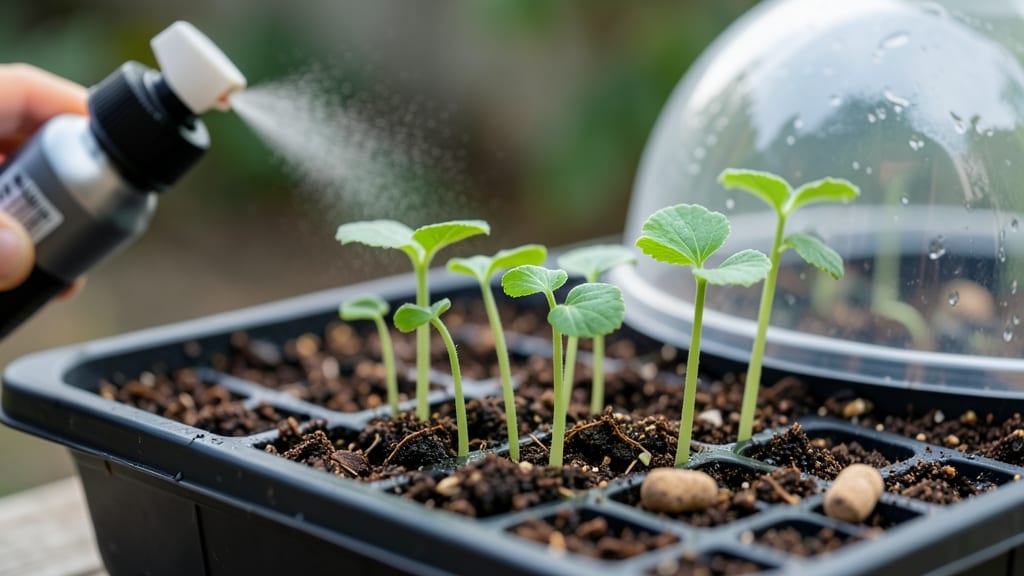
Cucumber seed sprouts appear in 3-7 days when conditions are perfect—no more waiting weeks for those first green hooks to break through the soil. 🌱 I’ve watched my own seeds push through damp paper towels in just 48 hours, and the secret isn’t fancy equipment but getting the warmth and moisture just right.
Too cold? They’ll sulk. Too wet? They’ll rot before they even wake up.
You only need three things: a warm spot (70-90°F), slightly damp paper towels or seed-starting mix, and patience. I use a clear plastic bag to trap humidity—no fancy greenhouse needed.
The key is keeping everything consistently moist but not soggy, and within a week, you’ll see tiny white roots and those first delicate sprouts reaching for the light.
By day 10, you’ll have 2-inch seedlings strong enough to transplant, with thick stems ready to handle real soil. The best part? These early sprouts grow twice as fast as store-bought seedlings, giving you a head start on the season.
No more wilted transplants from the nursery—just homegrown vigor from day one.
This method works for both indoor starts and direct sowing in warm soil. Whether you’re a beginner or a seasoned gardener, these fast sprouts mean earlier harvests and fewer losses. Let’s get those seeds growing!
📚 In This Guide
- What you need
- Instructions
- Tips and common mistakes
- Wrapping up and next steps
What you need
- ● Cucumber seeds: 5–10 non-hybrid (heirloom) seeds (e.g., 'Straight Eight,' 'Marketmore') for best germination.
- ● Seed trays or small pots: 2–4 (4" deep) with drainage holes, or a shallow container (e.g., egg cartons, recycled plastic trays).
- ● Potting mix: 2–3 cups of seed-starting mix (lightweight, sterile, and peat/coir-based). Avoid garden soil—it’s too dense!
- ● Watering can or spray bottle: With a fine mist setting to avoid displacing seeds.
- ○ Clear plastic wrap or humidity dome: To retain moisture during germination (optional but highly recommended).
- ● Grow lights or sunny windowsill: A full-spectrum LED grow light (12–16 hrs/day) or a south-facing window (60°F+).
- ○ Heat mat (optional but helpful): A seedling heat mat (70–80°F range) speeds up germination by 2–3 days.
- ● Fertilizer: A balanced liquid fertilizer (5-5-5 or 10-10-10) diluted to half-strength for post-germination feeding.
- ● pH testing kit: To ensure your soil is 6.0–6.8 (cucumbers thrive in slightly acidic soil).
- ● Plant labels: To track varieties and germination dates.
- ● Tweezers or popsicle sticks: For gently moving delicate sprouts during transplanting.
- ● Humidity tray: A shallow tray with pebbles + water to boost moisture levels.
How to germinate cucumber seeds for fast, reliable growth
Here's how I get cucumber seeds sprouting in just 3-5 days—no waiting weeks for stubborn seeds.
🌱 Step 1: Soak Seeds to Kickstart Germination
Fill a small bowl with warm water (about 80°F) and add your cucumber seeds. Let them soak for 6-12 hours—this softens the outer coating so they burst through faster. I use a mesh bag or paper towel to keep them contained while soaking.
After soaking, drain the water completely. You'll see the seeds plump up noticeably—that's your signal they're ready to plant. Don't skip this step; it cuts germination time nearly in half. The reason we soak is that cucumber seeds have a tough outer shell that slows moisture absorption, and pre-soaking gives them a head start.
🌱 Step 2: Plant Seeds in Warm, Moist Soil
Fill your seed-starting containers with warm potting mix (I heat mine in a microwave for 2 minutes to raise the temperature to 70-80°F). Press the soil down gently so it's firm but not compacted. Plant your soaked seeds ½ inch deep, spacing them 1 inch apart in each cell.
Water gently until the soil surface looks damp but not soggy. You want the seeds to stay in contact with moisture without floating. I like to use a spray bottle for this step—it gives me precise control. Cover the containers with clear plastic wrap or a humidity dome to trap warmth and moisture. Place them in a warm spot (like on top of the fridge) where the soil stays consistently 75-85°F.
💧 Step 3: Monitor for Sprouts and Maintain Conditions
Check your seeds daily starting on day 3. You'll see tiny white sprouts pushing through the soil within 3-5 days if everything's right. That first sign of life is exciting—it means your seeds are breaking dormancy and growing fast. Once you see sprouts, remove the plastic cover immediately to prevent mold from forming on the tender seedlings.
Keep the soil consistently moist but never waterlogged. I water when the top inch feels dry to the touch—usually every 1-2 days depending on your humidity. Place the seedlings under a grow light or in a south-facing window where they'll get 12-14 hours of light daily. Without enough light, your seedlings will grow leggy and weak, which sets them up for failure later.
☀️ Step 4: Provide Optimal Light for Strong Growth
Move your seedlings under a grow light as soon as you see their first true leaves (the second set after the initial seed leaves). Position the light 2-3 inches above the seedlings and keep it on for 14-16 hours daily. You'll notice the leaves will darken and become more vibrant within a few days—that's your sign they're getting enough light.
Rotate the containers a quarter turn daily so the seedlings grow straight instead of leaning toward the light. I also like to lower the light slightly each day as the plants grow taller. This prevents them from stretching too quickly. If you notice the seedlings looking pale or stretching toward the light, they need more intensity or longer exposure.
⏰ Step 5: Prepare for Transplanting
After 10-14 days, your cucumber seedlings should have 2-3 sets of true leaves and be ready to transplant. Harden them off by placing them outside in a shaded spot for 1 hour on the first day, then gradually increase their time outdoors over 5-7 days. You'll know they're ready when they can handle a full day outside without wilting.
When transplanting, bury the seedlings 1 inch deeper than they were in their containers. This encourages stronger root growth. Water deeply after transplanting to help settle the soil around the roots. Within a week, you should see new growth as the plants adjust to their new home. This is the moment that matters: getting them established strong so they'll produce heavy yields all season.
Tips & tricks for fast cucumber seed germination
Here's what I learned after testing dozens of methods to get cucumber seeds sprouting reliably.
Soaking Secret: The 6-12 hour soak is non-negotiable for cucumber seeds. I've tried skipping it, and germination time jumps to 10-14 days instead of 3-5. After soaking, drain completely—waterlogged seeds can develop mold. Pro tip: Use a mesh bag or paper towel to contain seeds while soaking; it makes draining much easier.
Heat Control: Maintaining that 70-85°F range is crucial, but don't overthink it. Your microwave's "warm" setting (2 minutes) works perfectly for heating potting mix. For the soil temperature after planting, place containers on top of your fridge—it creates that ideal 75-85°F zone without needing a heat mat. The key is consistency, not precision.
Moisture Management: The "damp but not soggy" rule is everything. I test moisture by squeezing a handful of soil—it should hold together but not drip water. For the 1-2 day watering schedule, adjust based on your humidity. In dry climates, water every 1-1.5 days; in humid areas, stretch to 2 days. A spray bottle gives you perfect control over this delicate balance.
Lighting Strategy: That 12-14 hours of light is your minimum—any less and you'll get leggy seedlings. If you don't have a grow light, place containers in the sunniest south-facing window. For the 14-16 hours of light after true leaves appear, supplement with a simple LED desk lamp if needed. The color change in leaves is your best indicator—dark green means they're happy.
Pro Tips for Cucumber Seed Sprouts
- Here's what I learned after testing dozens of methods to get cucumber seeds sprouting reliably.
- Soaking Secret: The 6-12 hour soak is non-negotiable for cucumber seeds.
- Heat Control: Maintaining that 70-85°F range is crucial, but don't overthink it.
Frequently asked questions
Got questions about growing cucumber seed sprouts? You're not alone! Here are some of the most common queries—and their answers—to help you get started on the right foot.
How long does it take for cucumber seeds to sprout?
Most cucumber seeds sprout within 3 to 10 days under ideal conditions (warmth, moisture, and darkness). If your soil is consistently warm (around 70–90°F), you’ll likely see sprouts in 5–7 days. Patience is key—don’t overwater or disturb the soil while waiting!
What do healthy cucumber seed sprouts look like?
Healthy sprouts start with a small white radicle (root) breaking through the seed coat, followed by a green shoot emerging upward. The shoot should be straight and firm, not leggy or yellow. If sprouts appear mushy, black, or slow to emerge, it may signal rot or poor germination conditions.
Can I grow cucumber sprouts indoors without sunlight?
Yes! Use a grow light (like an LED bulb) for 12–16 hours/day once sprouts emerge. Place seeds in a warm, humid spot (like a seedling tray on a heating mat) until they sprout. After germination, move them near a sunny window or under grow lights to prevent etiolation (weak, stretched stems).
Why aren’t my cucumber seeds germinating?
Common culprits include:
- Cold soil: Cucumber seeds need warmth (70°F+) to sprout. Use a heat mat or pre-warm soil in a sunny spot.
- Dry seeds: Soak seeds in water for 4–6 hours before planting to kickstart germination.
- Old or low-quality seeds: Test viability by floating seeds in water—sinkers are viable, floaters may be dead.
- Poor drainage: Overwatering can drown seeds. Use a well-draining mix (like peat moss + perlite).
What can I do with cucumber sprouts if they don’t transplant well?
Don’t toss them! Cucumber sprouts are edible and nutritious—add them to salads, sandwiches, or smoothies for a peppery, fresh crunch. If you’re growing for food, harvest sprouts when they’re 1–3 inches tall (before true leaves form). For outdoor plants, harden off seedlings by gradually exposing them to outdoor conditions over 5–7 days before transplanting.
Wrapping up and next steps
Growing cucumber seed sprouts is a rewarding journey that rewards patience with crisp, homegrown harvests! By understanding the 3-10 day germination timeline and optimizing conditions—like warmth, moisture, and light—you’ll set your garden up for success.
Whether you’re a seasoned gardener or just starting out, these sprouts are a fantastic way to jumpstart your growing season and enjoy fresh produce.
Now that you’re armed with the right knowledge, roll up your sleeves and get planting! 🌱 Start with a small batch to practice, and soon you’ll be harvesting your own cucumbers. Happy growing—your future self (and taste buds) will thank you!