
Lawn
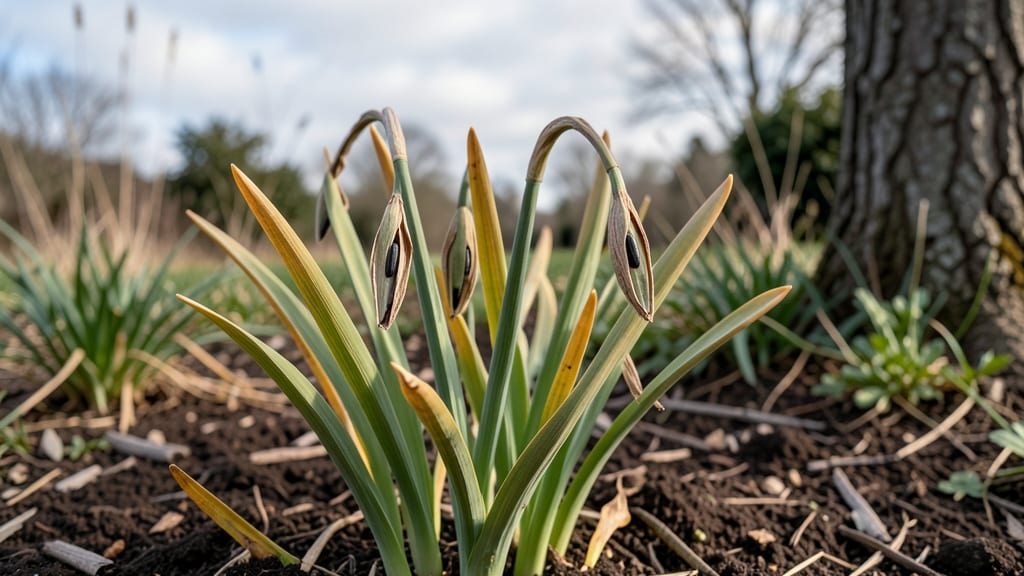
Cold-stratifying daffodil seed pods is how I finally got my hands on rare heirloom varieties that no bulb catalog could offer. 🌱 The process mimics nature's timing—letting seeds experience winter's chill before spring's warmth—but it takes real patience, since those first blooms won't appear for 3-5 years after planting.
Harvesting is simple: wait until the seed pods turn brown and papery in late summer, then collect them before they split open. Store them in a paper bag in the fridge for 6-8 weeks to complete stratification.
This cold treatment tricks seeds into thinking winter's passed, so they'll germinate reliably when you plant them in fall.
What you'll end up with are sturdy young plants that develop their own bulbs over time. The first flowers might be modest, but each year they'll multiply, eventually producing clusters of blooms in your favorite colors.
The real reward? A garden full of daffodils that no one else has, grown from seeds you nurtured yourself.
Fair warning: germination rates are often low (20-40%), so plant plenty of seeds. But when those first green shoots push through the soil next spring, every one feels like a tiny victory. Here's how to do it right from start to finish.
📚 In This Guide
- What you need
- Instructions
- Tips and common mistakes
- Wrapping up and next steps
What you need
- ● Daffodil seed pods – Harvest fresh or purchase from a trusted supplier (aim for 5–10 pods for a small batch).
- ● Small pots or seed trays – 3–4 inch diameter, with drainage holes (use 6–8 pots for 5–10 pods).
- ● High-quality potting mix – Well-draining, sterile blend (avoid garden soil—it may harbor pests or diseases).
- ● Sand or perlite – 1 part to mix with potting soil for extra drainage.
- ● Plastic bags or breathable covers – For cold stratification (use ziplock bags or clear plastic wrap).
- ● Refrigerator or cold frame – A cool (35–45°F) spot for stratification (3–4 months).
- ● Spray bottle – For gentle watering (avoid soaking the mix).
- ● Labels & markers – To track seed varieties and planting dates.
- ● Grow lights – If your space lacks natural sunlight (especially for indoor stratification).
- ● Humidity dome – To retain moisture during germination.
- ● Fertilizer (low-nitrogen) – Like fish emulsion or compost tea for post-stratification care.
- ● Garden journal – To log progress and adjust care as needed.
How to harvest and cold-stratify daffodil seed pods
Turn last year's spent blooms into next spring's showstoppers with this simple, foolproof method.
🌱 Step 1: Collect and Prepare the Seed Pods
Wait until the seed pods turn a papery brown and begin to split open naturally—this usually happens in late summer or early fall. Use clean, sharp scissors to snip the pods from the stem, leaving a short stalk attached. Place them in a paper bag and store in a cool, dry spot (like a garage or shed) for 2-3 weeks to fully dry.
Don't rush this step. If you harvest too early, the seeds won't be fully mature and won't germinate properly. You'll know they're ready when the pods crack open easily with gentle pressure and the seeds inside look plump and dark.
⏰ Step 2: Extract and Clean the Seeds
Once the pods are dry, gently squeeze them to release the seeds. You'll find 3-5 seeds per pod, often surrounded by a fibrous membrane. Carefully separate the seeds from the chaff by hand—this is where patience pays off. A fine-mesh strainer or sifting tray helps remove any remaining debris.
I like to soak the seeds in lukewarm water for 10 minutes to soften any remaining pod fragments, then rinse and pat them dry with a paper towel. This ensures clean seeds ready for stratification without hidden mold risks.
💧 Step 3: Cold-Stratify for Germination
Fill a small plastic bag with 2-3 inches of damp (not soaking) potting mix—just enough to hold the seeds in place. Scatter the seeds on top, then cover them with an additional ½ inch of mix. Seal the bag loosely (leave a tiny gap for airflow) and place it in the coldest part of your refrigerator (around 35-40°F).
Check the mix every 2 weeks—it should stay lightly moist, like a wrung-out sponge. If it dries out, mist it gently with water. This 8-12 week cold period mimics winter conditions, breaking the seeds' dormancy so they'll germinate reliably in spring.
☀️ Step 4: Plant Stratified Seeds in Spring
When daytime temperatures consistently reach 50°F or above (usually late winter to early spring), remove the seeds from cold storage. Plant them ½ inch deep in well-draining soil, spacing them 4-6 inches apart. A sunny, sheltered spot with partial shade in hot climates works best—daffodil seedlings need protection from intense afternoon sun.
Water lightly after planting, then keep the soil evenly moist but not soggy until germination. You'll see tiny green shoots in 4-8 weeks, though some seeds may take longer. Be patient—daffodils grown from seed can take 3-5 years to bloom, but the wait is worth it for unique, heirloom varieties.
🌿 Step 5: Care for Seedlings Through First Year
Once seedlings emerge, reduce watering to once a week unless the soil feels dry to the touch. Thin them to 6 inches apart when they reach 3-4 inches tall, keeping the strongest, healthiest-looking plants. Avoid fertilizing in the first year—young daffodils need time to establish roots.
Here's the thing—you won't see blooms for years, but the foliage will thicken each season. Let it grow until it yellows naturally in late spring, then trim it back. This stored energy ensures bigger blooms down the road.
Tips & tricks for perfect daffodil seed stratification
These simple strategies will help you maximize germination rates and avoid common pitfalls when working with daffodil seed pods.
Timing is Everything: Harvest those seed pods when they're fully brown and beginning to split open—this usually happens in late summer or early fall. If you harvest too early, the seeds won't be fully mature and won't germinate properly. I've learned the hard way that rushing this step leads to disappointing results. The 2-3 week drying period is crucial for developing seed viability, so don't skip it!
The Cleaner, the Better: When extracting seeds in Step 2, take your time to separate them from the fibrous membrane. I use a fine-mesh strainer to catch any tiny seeds that might slip through your fingers. That 10-minute lukewarm water soak is my secret weapon—it softens those stubborn pod fragments without damaging the seeds. After rinsing, pat them completely dry to prevent mold during stratification.
Stratification Secrets: For the cold stratification in Step 3, I recommend using a clear plastic bag so you can easily check moisture levels without opening it. The key is maintaining that damp-but-not-soaking potting mix—think of it like a wrung-out sponge. Every 2 weeks, give it a quick check and adjust if needed. The 8-12 week cold period is non-negotiable for breaking dormancy, but you can extend it up to 16 weeks if you're in a hurry for spring planting.
Planting Precision: When it's time to plant in Step 4, use a small trowel to create those ½-inch deep holes—don't just drop seeds in! The spacing of 4-6 inches gives roots room to establish without competing. I've found that planting in late winter (when soil temps hit 50°F) gives seedlings a head start before summer heat arrives. Just remember, these little guys need patience—they might not bloom for years, but each season brings them closer!
Pro Tips for Daffodil Seed Pods
- These simple strategies will help you maximize germination rates and avoid common pitfalls when working with daffodil seed pods.
- Timing is Everything: Harvest those seed pods when they're fully brown and beginning to split open—this usually happens in late summer or early fall.
- The Cleaner, the Better: When extracting seeds in Step 2, take your time to separate them from the fibrous membrane.
Frequently asked questions
Got questions about growing daffodils from seed pods? You’re not alone! Here are the answers to some of the most common queries—so you can get a head start on next spring’s vibrant blooms.
When should I collect daffodil seed pods?
Collect seed pods after they’ve fully matured and turned brown, usually 6–8 weeks post-bloom (late summer to early fall). Wait until they’re dry and papery to the touch—this ensures the best germination rates. Pro tip: Harvest on a dry day to prevent mold.
Why do daffodil seeds need cold stratification?
Cold stratification mimics winter’s natural conditions, breaking seed dormancy. Without it, seeds may not sprout. Place them in a sealed container with moist peat moss in the fridge (34–40°F) for 8–12 weeks before planting. Think of it as a winter nap for your seeds!
Can I plant daffodil seeds directly outside in fall?
Yes! If your climate has cold winters (USDA Zones 3–7), you can sow seeds outdoors in fall without stratification. Just plant them shallow (½ inch deep) in well-draining soil. For milder climates, stratify first or plant in late fall for better success. Warning: Avoid soggy soil—they’ll rot!
How long does it take for daffodil seeds to germinate?
Germination can take 4–12 weeks (or longer!) after sowing. Patience is key—some seeds may sprout the first spring, while others take 2–3 years to bloom. Keep soil consistently moist but not waterlogged, and protect seedlings from slugs.
What if my daffodil seeds won’t sprout?
Don’t worry—seeds can be finicky! Try these fixes:
- Check moisture: Too dry or soggy soil kills seeds. Aim for evenly damp (like a wrung-out sponge).
- Verify stratification: Ensure seeds got 60+ days in the cold.
- Test viability: Cut open a seed—if it’s shriveled or moldy, it’s likely dead.
- Alternative method: Buy hybrid daffodil bulbs if seeds prove unreliable (they bloom faster!).
Bonus Tip:
Label your seed pods or containers! Daffodil varieties can vary widely in color and height, and you’ll want to remember which pod produced your showstopper blooms. Use toothpicks and masking tape for a DIY solution.
Wrapping up and next steps
Growing daffodil seed pods through cold stratification is a rewarding way to nurture vibrant blooms for next spring! 🌱 By following the right steps—from gathering seeds to proper chilling and planting—you’ll unlock the magic of nature’s timing.
Whether you’re a seasoned gardener or just starting, this method ensures healthy, resilient plants that’ll brighten your lawn with cheerful yellows and whites.
Ready to take the next step? Start small—plant a few pods this fall and watch your garden transform! Share your progress with fellow gardeners, and don’t forget to tag us in your blooming success stories. Happy gardening! 🌸