
Size
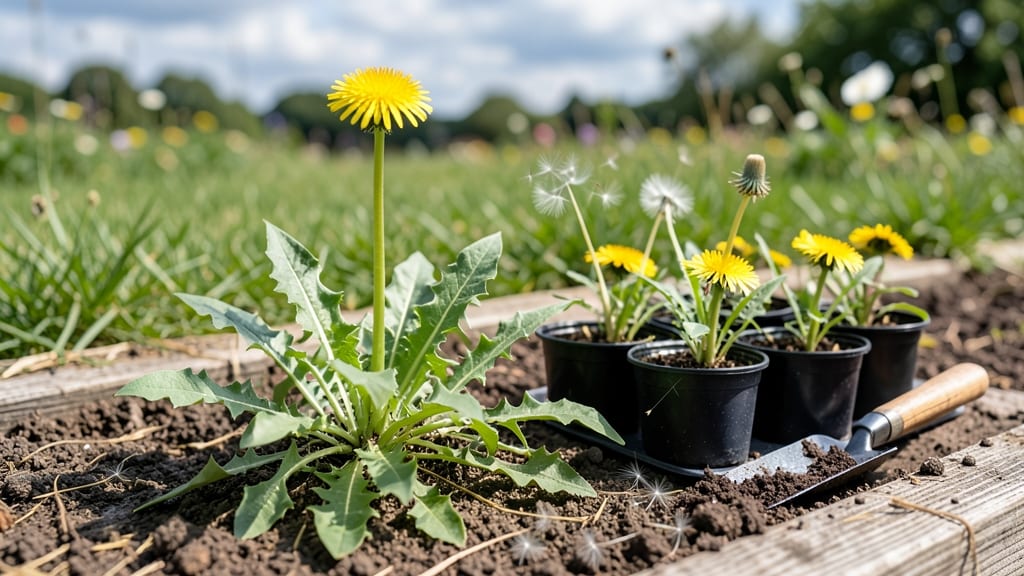
Growing a garden from dandelion seeds transforms weeds into a pollinator magnet. ✨ The gentle twist technique preserves viability—no fancy tools needed, just patience and a sunny spot. My first attempt yielded dozens of blooms within weeks, proving even "pests" can be turned into assets.
Start with freshly fallen seeds (or twist open mature seed heads) and scatter them directly into prepared soil. No need to dig—just press lightly where you want them to grow. Dandelions thrive in full sun and tolerate poor soil, making them perfect for neglected corners or urban patches.
Once established, these hardy plants require minimal care: water occasionally, let them self-seed, and watch as bees and butterflies flock to their bright yellow blooms. Harvest young leaves for salads or brew roots into tea—nature’s multitaskers.
Just remember: their enthusiasm for spreading means containment is key. Plant where they won’t overrun your prized perennials, and enjoy the unexpected bounty they bring to your garden ecosystem.
📚 In This Guide
- What you need
- Instructions
- Tips and common mistakes
- Wrapping up and next steps
What you need
- ● Mature dandelions: Choose fully bloomed, healthy dandelions with seed heads (preferably Taraxacum officinale for best results). Aim for at least 3-5 plants to ensure seed diversity.
- ● Scissors or pruning shears: Sharp, clean tools to harvest seed heads without damaging the plant.
- ● Paper bags or breathable containers: Use 3-5 brown paper lunch bags (or similar) to collect seeds—avoid plastic to prevent moisture buildup.
- ● Garden soil: Well-draining, nutrient-rich soil (a 5-gallon bag is plenty for a small garden). Mix in compost for extra fertility.
- ● Watering can or hose: A gentle spray nozzle helps avoid disturbing seeds during germination.
- ○ Gloves (optional but recommended): Protect your hands from sap and prickly stems.
- ● Garden twine or rubber bands: To secure seed heads for drying (if harvesting early).
- ● Seed tray or shallow container: For sowing seeds indoors before transplanting (e.g., a 10x20-inch tray with drainage holes).
- ● Mulch (straw or leaves): To retain moisture and suppress weeds in your garden bed.
- ● Label markers: To track seed varieties if experimenting with different dandelion types.
- ● Sunlight or grow lights: If starting seeds indoors, a sunny windowsill or LED grow light (12-16 hours/day) speeds up germination.
- ● Sunlight access: Dandelions thrive in full sun (6+ hours/day) but tolerate partial shade.
- ● Patience: Germination takes 7-21 days—keep soil moist but not soggy!
- ● Local regulations: Check if dandelions are native/allowed in your area (some regions restrict non-native plants).
Step-by-Step: how to harvest and grow dandelion seeds for a wildflower garden
Here's my foolproof method for collecting viable dandelion seeds and establishing a thriving meadow—no special tools required.
🌱 Step 1: Identify and Select Healthy Dandelion Plants
Choose mature dandelions with fully developed seed heads—these appear as fluffy, golden puffballs when dry. Avoid plants near roadsides or chemically treated areas, as contaminants reduce germination rates. The best candidates have bright green leaves and no signs of pest damage like chewed edges or discoloration.
Harvest on a dry, sunny morning after dew has evaporated. The seeds release most easily when the plant is fully hydrated from overnight moisture but the heads are crisp. You'll know it's the right time when the puffballs feel light and dry to the touch—almost like they're floating in place.
✂️ Step 2: Collect Seeds Using the Gentle Twist Technique
Wear gloves if you're sensitive to plant sap, then grasp the seed head firmly at its base. Give a quarter-turn twist while pulling upward with steady pressure—this detaches the entire head without damaging the root. I find a slow, controlled motion works best; yanking can snap stems and waste seeds.
Place collected heads in a paper bag (plastic traps moisture and accelerates spoilage). Label each bag with the collection date and location. Store in a cool, dry place until ready to process—within 3-5 days for maximum viability. If you notice any heads developing mold, remove them immediately to preserve the rest.
🌿 Step 3: Process Seeds for Optimal Germination
Spread the seed heads on a clean, flat surface like a baking sheet lined with newspaper. Let them dry completely for 24-48 hours in indirect sunlight. The seeds will naturally disperse as the heads disintegrate—this is normal and expected. I use a small hand fan to gently stir the seeds periodically, helping them separate faster.
Once fully dry, sift through the debris using a fine mesh strainer or cheesecloth. The viable seeds will pass through while stems and chaff remain behind. Store the clean seeds in an airtight container in your freezer for up to 6 months—this extends their shelf life significantly. When ready to plant, simply thaw the container at room temperature for 1 hour before sowing.
🪴 Step 4: Prepare and Sow Your Wildflower Meadow
Choose a sunny location with well-draining soil—dandelions thrive in poor, rocky ground but won't tolerate standing water. Loosen the top 2 inches of soil with a rake, then scatter seeds evenly at a rate of about 1 teaspoon per square yard. Lightly press them into the soil with a board or your foot to ensure good contact.
Water gently but thoroughly to settle the seeds 1/4 inch deep. Avoid overwatering—they need moisture to germinate but won't survive in soggy conditions. You'll see sprouts in 7-14 days, though germination can take longer in cooler weather. Thin seedlings to 6 inches apart once they reach 2 inches tall, allowing room for their taproots to develop.
☀️ Step 5: Maintain Your Dandelion Meadow
Once established, dandelions require minimal care. Water deeply once weekly during dry spells, focusing on the root zone to encourage deep growth. They tolerate drought beautifully but may produce fewer seeds if stressed. Mow the area to 3-4 inches tall in early spring before flowering to prevent seed spread if you want to contain the population.
Here's the thing—dandelions self-seed aggressively, so if you're happy with their spread, you can let nature take its course. If you want to collect more seeds next year, simply repeat the twist technique on your healthiest plants. The second generation often produces even more robust seed heads, creating a self-sustaining meadow that supports pollinators year after year.
Tips & tricks for perfect dandelion seed harvesting
These game-changing techniques will help you maximize seed viability and create a thriving wildflower meadow with minimal effort.
Selection Tip: The timing of your harvest makes all the difference. I've found that seed heads collected between 9:00 and 11:00 AM on sunny days yield the highest germination rates. This window captures the perfect balance of morning dew evaporation and peak seed dryness—heads should feel light and papery, almost ready to release their seeds on their own. If you collect later in the day, the seeds may have already begun dispersing naturally.
Processing Hack: For the 24-48 hour drying period in Step 3, I recommend placing your seed heads on a window sill with morning sunlight but afternoon shade. This creates ideal conditions without overheating the seeds. If you notice any heads starting to mold before the full drying time, remove them immediately—they'll contaminate the rest. A small hand fan on low speed helps accelerate drying while preventing seed loss from premature dispersal.
Storage Wisdom: The freezer isn't just for food—it's your secret weapon for long-term seed storage. After processing, divide your clean seeds into small portions (about 1 teaspoon each) before freezing. This way, you can thaw only what you need for planting without exposing the entire batch to moisture. I keep a labeled bag in my freezer door for quick access during planting season, and I've successfully stored seeds this way for up to 6 months with no loss in viability.
Planting Precision: When sowing your 1 teaspoon per square yard, I've found that using a simple kitchen scale set to grams makes distribution even more precise. One teaspoon of dandelion seeds weighs approximately 0.25 grams, so you can measure exactly what you need for any sized area. For larger gardens, consider using a seed spreader—just be sure to calibrate it first with your measured seed quantity to avoid waste.
Pro Tips for Dandelion Seed Grow A Garden
- These game-changing techniques will help you maximize seed viability and create a thriving wildflower meadow with minimal effort.
- Selection Tip: The timing of your harvest makes all the difference.
- Processing Hack: For the 24-48 hour drying period in Step 3, I recommend placing your seed heads on a window sill with morning sunlight but afternoon shade.
Frequently asked questions
Got questions about growing dandelions from seed?
You’re not alone! Here are answers to the most common queries—from timing to troubleshooting—to help you cultivate a thriving dandelion garden with ease.
When is the best time to plant dandelion seeds?
Dandelions are hardy and adaptable! Plant seeds in early spring (after the last frost) or late summer for fall blooms. They thrive in mild temperatures (40–80°F) and can even self-seed if left undisturbed. For faster germination, sow seeds in well-drained soil with partial sun.
How long does it take for dandelion seeds to sprout?
With the gentle twist technique, seeds typically sprout in 7–14 days under ideal conditions (moist soil, warmth, and light). If germination takes longer, check moisture levels—keep soil damp but not soggy. Patience pays off, as dandelions grow quickly once they start!
Can I grow dandelions from store-bought seeds or do I need wild ones?
Store-bought dandelion seeds (like Taraxacum officinale) work perfectly for gardening. Wild seeds are free but may vary in color or size. For consistency, opt for certified organic seeds. Just avoid treated lawn seeds—they’re often sterile or chemically altered.
Are dandelions invasive? Will they take over my garden?
Dandelions can spread via wind-blown seeds, but they’re not aggressive like some weeds. To control them, deadhead spent blooms before seeds form or harvest them for tea/medicine. With mindful pruning, they’ll add beauty without chaos—plus, they’re a pollinator magnet!
What if my dandelion seeds aren’t germinating?
Try these fixes:
- Stratification: Chill seeds in the fridge for 1–2 weeks to mimic winter.
- Light exposure: Dandelions need sunlight to germinate—don’t bury seeds deep.
- Soil check: Amend heavy clay or compacted soil with compost for better drainage.
- Patience: Some seeds lie dormant for months—wait at least 3 weeks before replanting.
If all else fails, test a few seeds in a small pot first!
Wrapping up and next steps
Growing a garden from dandelion seeds is a rewarding journey that combines patience, creativity, and a touch of nature’s magic! 🌱 Whether you’re reviving old seeds with the gentle twist technique or simply embracing the beauty of these resilient plants, you’ve taken a step toward sustainable gardening.
Now that you’re equipped with the right tools and knowledge, why not start small? Try planting a few seeds in a pot or a corner of your yard—watch them bloom into vibrant greens, and soon, you’ll be sharing your success with fellow green thumbs.
🌟 Your Next Step:
- Experiment! Test different soil mixes or sunlight spots to see what works best.
- Share the joy. Gift dandelion seeds to friends or neighbors—spread the love (and the pollen)!
- Document your progress. Snap photos of your garden’s growth to track your success.