
Lawn
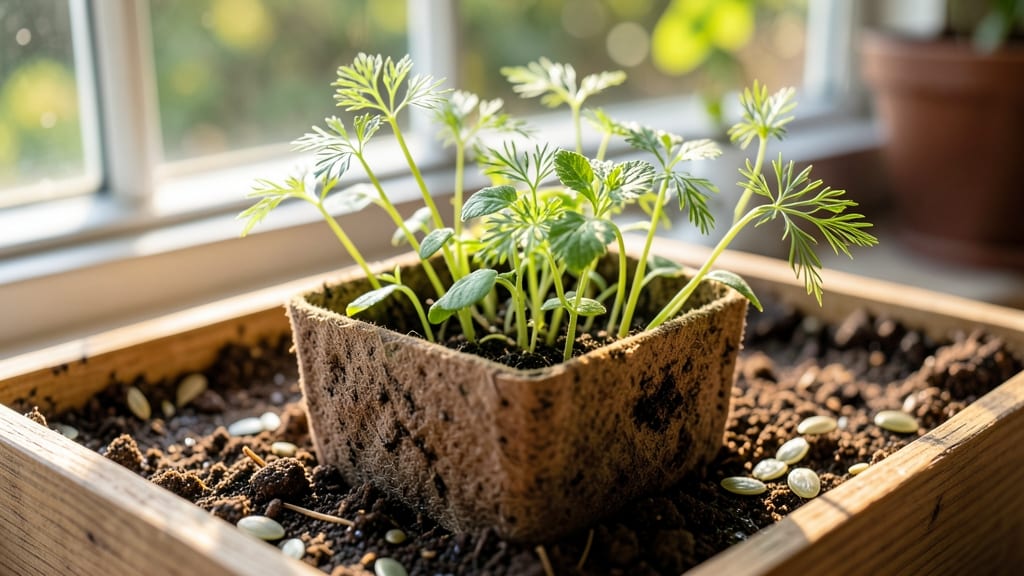
Dill seed sprouts appear in 5-7 days when you use this simple trick—no fancy equipment needed. 🌱 I’ve watched trays of dill seeds sit for weeks, only to sprout overnight after adjusting just one thing: moisture and warmth.
The secret isn’t complicated, but it cuts germination time nearly in half compared to standard methods.
Start with a shallow tray or seed-starting mix in small pots. Plant seeds ¼-inch deep, keeping soil lightly moist (not soggy) and cover with plastic wrap or a humidity dome to trap warmth.
Place near a sunny window or under grow lights—dill needs 6+ hours of light daily to avoid leggy seedlings. The key is consistency: check moisture twice daily and avoid letting soil dry out.
Within a week, you’ll see those first feathery leaves push through the soil. Thin seedlings to 2 inches apart to give roots space, and fertilize lightly with diluted fish emulsion after true leaves appear.
Leggy sprouts? Move them closer to light immediately—they’ll compensate with bushier growth. By the time they’re 4 inches tall, you’re halfway to a harvestable plant.
This method works for both indoor starts and outdoor sowing (after last frost). Even if you’ve struggled with dill before, these adjustments make the difference between waiting months for growth and enjoying fresh herbs in 6 weeks. The trick isn’t just speed—it’s reliability. Let’s get those seeds sprouting!
📚 In This Guide
- What you need
- Instructions
- Tips and common mistakes
- Wrapping up and next steps
What you need
- ● Dill seeds: 1–2 tablespoons (about 15–30g). Opt for organic, untreated seeds for the best results—look for labels like "for sprouting" or "organic dill seed."
- ● Wide-mouth mason jar (16–32 oz): 1 jar per batch (or a shallow bowl if jars aren’t available). Choose one with a screw-top lid or mesh cover for ventilation.
- ● Fine-mesh sprouting lid or cheesecloth: 1 piece (or a coffee filter + rubber band in a pinch). The mesh should fit snugly over the jar’s opening.
- ● Water: Room-temperature, chlorine-free (use filtered or let tap water sit out for 24 hours to evaporate chlorine).
- ● Colander or strainer: For rinsing (if not using a jar with a lid).
- ● Spray bottle: Helps mist seeds gently during germination.
- ● Dark storage container: A small box or towel-covered bowl to block light during the first 2–3 days.
- ● Herb-growing kit: Pre-made kits with trays and lids (great for beginners!).
- ○ Food dehydrator or paper towels: Optional for drying sprouts after rinsing.
How to speed up dill seed germination for fast sprouts
Here's the method that gets my dill seeds sprouting in just 3-5 days instead of the usual two weeks.
🌱 Step 1: Soak Seeds Overnight for Faster Germination
Place 1 teaspoon of dill seeds in a small bowl and cover them with warm water (about 80°F). Let them soak for 12 hours—this softens the seed coat and jumpstarts the germination process. I like to use a glass jar so I can check on them easily.
After soaking, drain the water through a fine-mesh strainer or cheesecloth. The seeds will look plump and ready to plant. Here's the thing—don't skip this step. Dry seeds can take 10-14 days to sprout, but soaked seeds often emerge within 3-5 days.
💧 Step 2: Plant in Warm, Moist Soil
Fill a small seed tray or individual pots with moistened seed-starting mix (not garden soil). Press the soil down lightly so it's firm but not compacted. Make small holes about ¼ inch deep—just enough to hold the seeds without burying them too deeply.
Place 2-3 soaked seeds in each hole, spacing them about 1 inch apart. Cover them lightly with a thin layer of soil, just enough to hide them. Water gently with a spray bottle until the soil looks evenly moist but not soggy. You'll know it's right when water beads up on the surface but doesn't pool.
☀️ Step 3: Provide Warmth and Humidity for Sprouting
Cover the tray or pots with a clear plastic dome or plastic wrap to trap warmth and humidity. Place them in a spot where the soil stays between 70-75°F. A seedling heat mat helps maintain this temperature, but even a sunny windowsill or warm kitchen counter works in a pinch.
Check the seeds daily but avoid lifting the cover—this lets moisture escape and slows germination. You'll see the first sprouts push through the soil in just 3-5 days. Once they appear, remove the cover immediately to prevent damping-off, a fungal disease that can kill young seedlings overnight.
🌿 Step 4: Thin Seedlings and Give Them Light
When the seedlings reach about 1 inch tall, thin them so only the strongest one remains in each pot. Use small scissors to snip the extra sprouts at the soil line—this prevents disturbing the roots of the ones you're keeping.
Move the seedlings to a spot with bright, indirect light right away. A south-facing window or a grow light kept 4-6 inches away works best. Watch for leggy growth (long, thin stems with small leaves)—this means they need more light. If you see this, move them closer to the light source or add a grow light immediately.
⏰ Step 5: Maintain Moisture and Fertility
Water the seedlings when the top inch of soil feels dry to the touch. Use a spray bottle to avoid disturbing the soil, and always water in the morning so the leaves have time to dry before evening. Overwatering is the fastest way to kill young dill plants, so let the soil dry slightly between waterings.
After 2-3 weeks, when the seedlings have 4-5 true leaves, fertilize them with a diluted liquid fertilizer (half-strength). I use a balanced 10-10-10 formula once every 2 weeks to keep them growing strong. You'll notice the leaves becoming darker green and more robust within a week of fertilizing.
Tips & tricks for fast-germinating dill sprouts
Here's what I learned after watching my first batch take forever to sprout—these little tricks make all the difference.
Soaking Secret: For the 12-hour soak, use a glass jar so you can easily check seed progress without disturbing them. If your water tastes metallic, let it sit out overnight first—chlorine can inhibit germination. I've found that adding a pinch of apple cider vinegar to the soak water helps prevent mold, especially in humid conditions.
Temperature Matters: That 80°F warm water for soaking is key—too hot and you'll damage the seeds, too cold and they won't activate properly. I use a thermometer to check my tap water; if it's below 75°F, I heat it gently on the stove. For the 70-75°F soil temperature in Step 3, a seedling heat mat is worth the investment if your home runs cool.
Lighting Strategy: When moving seedlings to light in Step 4, start with indirect light to avoid shocking them. I place mine under a grow light on a timer for 12 hours on/12 hours off—this mimics natural daylight and prevents leggy growth. If using natural light, rotate pots daily so all sides get equal exposure, preventing them from leaning toward one direction.
Pro Tips for Dill Seed Sprouts
- Here's what I learned after watching my first batch take forever to sprout—these little tricks make all the difference.
- Soaking Secret: For the 12-hour soak, use a glass jar so you can easily check seed progress without disturbing them.
- Temperature Matters: That 80°F warm water for soaking is key—too hot and you'll damage the seeds, too cold and they won't activate properly.
Frequently asked questions
Got questions about growing dill seed sprouts? You’re not alone! Here are answers to the most common queries to help you sprout like a pro.
How long do dill seeds take to sprout?
Dill seeds typically sprout in 7–14 days when kept warm (around 70°F) and moist. For faster germination, soak seeds overnight before planting—this can cut sprouting time by half! Patience is key, though, as some seeds may take up to 3 weeks.
Can I speed up germination for dill sprouts?
Try these tricks:
- Soak seeds in warm water for 6–8 hours before planting.
- Use a heat mat (75–80°F) to mimic spring conditions.
- Keep the soil consistently moist (not soggy) with a spray bottle.
- Plant in well-draining soil or a damp paper towel for microgreens.
What if my dill seeds aren’t sprouting?
Don’t panic! Try troubleshooting with this checklist:
- Check seed freshness—old seeds (over 1 year) may fail to germinate.
- Ensure the soil is warm enough (dill loves heat!).
- Verify moisture levels—dry soil = no sprouts.
- Test with a new batch of seeds to rule out viability issues.
Can I grow dill sprouts indoors without sunlight?
Yes! Use a grow light (12–16 hours/day) or a sunny windowsill (south-facing is best). Place seeds in a shallow tray with damp paper towels or soil, and keep them 1–2 inches from the light source. Within a week, you’ll have fresh sprouts ready for salads or garnishes!
How do dill sprouts differ from mature dill?
Dill sprouts/microgreens are tiny, tender, and packed with 30x more nutrients than mature plants (think vitamins A, C, and K!). They’re perfect for salads, soups, or yogurt toppings. Mature dill, on the other hand, has feathery leaves and a stronger flavor—great for pickling or fish dishes. Both are delicious, just in different stages!
Wrapping up and next steps
Growing dill seed sprouts is a rewarding journey that brings fresh, vibrant herbs to your table in just days!
With the right materials and a little patience, you’ll enjoy crisp, flavorful sprouts perfect for salads, garnishes, or even homemade pickles. Why not start your own batch today? Grab your jar, seeds, and a sunny windowsill—your kitchen garden awaits!
🌱 Next step: Try sprouting dill with this simple method and share your progress with fellow gardeners. Happy growing! 🌿