
Lawn
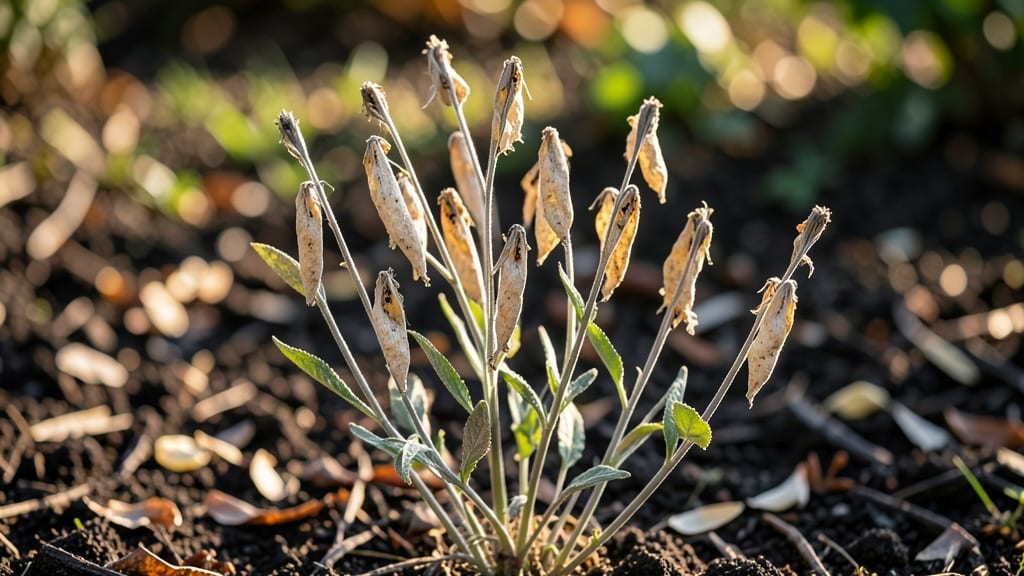
Harvesting dried snapdragon seed pods transforms your garden into a winter treasure trove. 🌿 These papery pods aren’t just seed banks—they’re delicate decorations that add texture to dried arrangements or crafts.
I’ve saved seeds for five seasons now, and the process gets easier every year once you know when to harvest and how to dry them properly.
The key moment arrives when pods turn from green to tan and begin splitting open at the seams. Use clean scissors to snip them off the stem, leaving a small stem attached helps with drying.
Spread them in a single layer on paper towels in a dry, shaded spot for 2-3 weeks—they’re ready when they rattle with seeds inside. Never rush this step; patience keeps seeds viable for planting.
Once dry, you’ll have two options: store seeds in envelopes for next spring’s garden or keep pods whole for crafts. The seeds themselves last 3-5 years if kept cool and dry, while the pods make stunning centerpieces or wreaths.
My favorite arrangement combines them with eucalyptus and dried grasses for a cottagecore vibe that lasts all winter.
This method works for any snapdragon variety, whether you’re growing them for flowers, seeds, or both. The same pods that feed your garden next year can also become part of your home decor—proof that gardening’s rewards extend far beyond the growing season.
📚 In This Guide
- What you need
- Instructions
- Tips and common mistakes
- Wrapping up and next steps
What you need
- ● Mature snapdragon plants – Ensure they’ve finished blooming and are producing seed pods (usually late summer to early fall).
- ● Pruning shears or sharp scissors – For cleanly snipping seed pods from the stems.
- ● Paper bags or breathable mesh bags – 2-3 bags (12x18 inches) to collect pods and allow airflow.
- ● Drying tray or screen – A flat, elevated surface (like a wire rack or cardboard) to spread pods for drying.
- ● Labeling tags & marker – To identify varieties (e.g., "Antique Pink," "Salmon Queen").
- ● Air-tight storage containers – 2-4 containers (e.g., glass jars with lids or resealable plastic bags) for long-term storage.
- ○ Desiccant packets (optional but helpful) – To absorb moisture and extend shelf life.
- ● Glove – Protects hands from prickly stems or sap.
- ● Fan or dehumidifier – Speeds up drying in humid climates.
- ● Notebook – To log harvest dates, varieties, and storage conditions.
- ● Seed packet envelopes – For organized, professional-looking storage.
How to harvest and save snapdragon seed pods for next year
Here's the simple method I use to collect and store snapdragon seeds so I can grow fresh plants every spring.
🌿 Step 1: Identify Mature Seed Pods
Snapdragon seed pods are ready when they turn from green to a dry, papery brown color and begin splitting open along their seams. I look for pods that are fully elongated but still intact—once they crack open completely, the seeds scatter. The best time to harvest is on a dry morning after the dew has evaporated but before afternoon humidity sets in.
Gently twist each pod between your fingers to check for resistance. Mature pods will feel brittle and crunchy, while immature ones will bend easily. You'll see tiny seeds inside that look like tiny, wrinkled beans. Harvesting at this stage ensures maximum seed viability for planting next year.
✂️ Step 2: Harvest and Dry the Seed Pods
Use clean, sharp scissors or pruning shears to cut the seed pods from the stems, leaving about 1 inch of stem attached. This makes handling easier and prevents damage to the delicate pods. Place the harvested pods in a single layer on a clean, dry paper towel or mesh screen in a warm, dry location away from direct sunlight.
Let the pods dry completely for 3-5 days. You'll know they're fully dry when they feel light in your hand and the seeds rattle inside when shaken. Avoid using a hair dryer or heat source—slow, natural drying prevents seed damage. If you live in a humid climate, spread a fan nearby to circulate air and speed up the process.
🪴 Step 3: Extract and Store the Seeds
Once the pods are completely dry, place them in a paper bag and gently squeeze or crush them to release the seeds. Shake the bag occasionally to help loosen any stubborn seeds. I like to do this over a sheet of white paper so I can easily spot and collect any seeds that might fall. Snapdragon seeds are tiny, so a fine-mesh strainer can help separate them from chaff if needed.
Store the seeds in a small envelope or airtight container labeled with the variety name and harvest date. Keep them in a cool, dark place like a pantry or refrigerator. Snapdragon seeds remain viable for 2-3 years when stored properly, so you'll have plenty for future plantings. Check the envelope occasionally to ensure no moisture has seeped in, which could cause mold.
🌱 Step 4: Prepare for Next Year's Planting
When you're ready to plant, sprinkle the seeds directly onto the soil surface—they need light to germinate, so don't cover them with soil. Lightly press them into the top layer of moist soil and mist with water. Place the container in a warm spot with indirect light until germination, which typically takes 10-14 days. You'll see tiny green sprouts emerge, signaling that your seeds are ready to grow into next year's snapdragons.
Here's the thing—snapdragons self-seed easily, so if you leave some pods on the plant, you might find volunteers popping up in your garden the following spring. But saving seeds gives you control over the varieties you grow and ensures you always have fresh stock for your favorite colors and heights.
Tips & tricks for perfect snapdragon seed pod preservation
Between us, saving snapdragon seeds properly can mean the difference between next year's garden being a bust or a blooming success. Here's what I've learned after years of trial-and-error with these delicate little pods.
Selection Tip: In Step 1, when checking for mature pods, look for that signature papery brown color—but don't wait until they're completely open. I've seen gardeners lose entire harvests because they waited too long. The moment you see those first tiny splits, that's your cue to harvest. Also, pay attention to the pods' position on the stem—the ones facing away from the sun often mature first.
Harvesting Hack: For Step 2, I've found that using a pair of small, sharp nail scissors works better than pruners for harvesting. The delicate stems can break easily, and nail scissors give you more control. When laying them out to dry, space them about 1 inch apart on your drying surface. This prevents them from sticking together and makes it easier to check for complete dryness. Trust me on this—crowding them leads to uneven drying and potential mold.
Storage Wisdom: When storing your seeds in Step 3, I recommend using small, labeled envelopes with a silica gel packet inside. The silica absorbs any residual moisture that could cause mold. For the containers, I prefer those tiny seed storage boxes you can find at garden centers—they're designed specifically to keep seeds fresh. And here's a pro move: write the harvest date on the outside of the container in permanent marker, not just on a label you might lose.
Germination Boost: In Step 4, when preparing for planting, I've noticed that soaking the seeds in warm water for 12 hours before planting can speed up germination. Just place them in a small container of water, cover, and let them sit overnight. This mimics natural spring rains and helps break the seeds' dormancy. The seeds will look slightly plump after soaking—this is your sign they're ready to plant.
Pro Tips for Dried Snapdragon Seed Pods
- Between us, saving snapdragon seeds properly can mean the difference between next year's garden being a bust or a blooming success.
- Selection Tip: In Step 1, when checking for mature pods, look for that signature papery brown color—but don't wait until they're completely open.
- Harvesting Hack: For Step 2, I've found that using a pair of small, sharp nail scissors works better than pruners for harvesting.
Frequently asked questions
Got questions about harvesting and using dried snapdragon seed pods? You’re not alone! Here are answers to the most common queries—from timing to troubleshooting—to help you master this rewarding process.
When are snapdragon seed pods fully dried and ready to harvest?
Seed pods are ready when they turn completely brown and begin to split open on their own (usually 4–6 weeks after flowering). Wait until they’re crispy to the touch—harvesting too early can ruin viability. If unsure, gently squeeze a pod; if seeds rattle inside, they’re ready!
How long do dried snapdragon seed pods stay viable for storage?
Properly dried and stored pods retain viability for 1–2 years if kept in a cool, dark, and dry place (like a sealed jar or envelope with silica packets). Avoid humidity—moisture is the #1 enemy of seed longevity. Label your pods with the harvest date to track freshness!
Can I use dried snapdragon seed pods for anything other than regrowing plants?
Beyond gardening, dried pods add whimsical texture to floral arrangements, crafts (like wreaths or potpourri), or even homemade dried flower confetti. Just ensure they’re fully dehydrated to prevent mold. For culinary uses, avoid them—snapdragon seeds aren’t edible.
Why won’t my snapdragon seed pods open naturally, even when dried?
If pods stay closed, they may be underripe or exposed to excess moisture during drying. Try these fixes:
Yes! If snapdragons aren’t your style, try these easy-to-dry annuals with striking pods:
Are there alternatives to snapdragons for similar seed pods?
All follow similar drying and harvesting steps—just adjust timing based on the plant’s bloom cycle!
Wrapping up and next steps
Harvesting and preserving dried snapdragon seed pods is a rewarding way to ensure your garden stays vibrant year after year! 🌱 With just a little patience and the right techniques, you’ll have a steady supply of seeds to replant and enjoy their stunning blooms.
Start small—try drying a few pods this season—and soon you’ll be sharing your success with fellow gardeners.
Next step: Grab those pods, follow the steps, and watch your snapdragons thrive! Happy gardening!