
Lawn
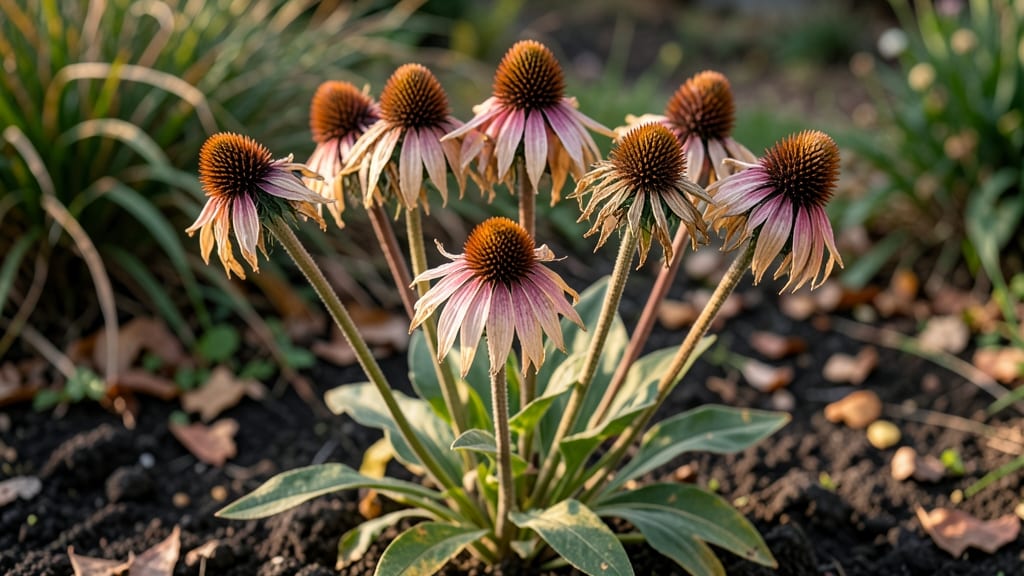
Twisting off echinacea seed heads without breaking them is the secret to saving seeds for next year’s garden. 🌻 I’ve spent years perfecting this technique—no more snapped stems or wasted seeds—just clean, dry heads ready for storage. The key? Timing and the right grip.
Start when the seed heads turn tan and the petals have fallen naturally. Grab the base of the head with your thumb and forefinger, twist gently but firmly, and pull straight up. You’ll hear a satisfying pop when it separates cleanly from the stem.
Do this on a dry day to avoid mold. Store the dried heads in a paper bag or envelope until you’re ready to separate the seeds. Once you crack open those papery casings, you’ll find plump, viable seeds that’ll grow into sturdy new plants. The best part?
You’ll have free, heirloom-quality echinacea for years. This method works for all echinacea varieties, whether you’re saving seeds for propagation or leaving some heads on the plant for winter interest. Just label your seeds by variety—trust me, you’ll forget which is which by spring!
📚 In This Guide
- What you need
- Instructions
- Tips and common mistakes
- Wrapping up and next steps
What you need
- ● Sharp pruning shears or garden scissors – Opt for bypass blades (not anvil) for clean cuts. 1 pair is all you need.
- ● Brown paper bags or seed envelopes – 5–10 (one per seed head or cluster). Use unbleached paper to avoid inhibiting germination.
- ● Permanent marker – For labeling varieties (e.g., "Echinacea 'Hot Papaya'" or harvest date).
- ● Rubbing alcohol (70% isopropyl) or hydrogen peroxide – 1 small bottle for sterilizing tools between cuts.
- ○ Gloves (optional but recommended) – 1 pair to protect hands from prickly stems or sap.
- ● Drying rack or mesh screen – To elevate seed heads for airflow. A window screen or coffee filter works in a pinch!
- ● Fan or dehumidifier – Speeds up drying in humid climates.
- ● Seed-saving journal – Track varieties, germination rates, and notes on next year’s performance.
- ● Twist ties or rubber bands – 5–10 to bundle stems for easier transport.
How to harvest echinacea seed heads without damaging future blooms
This is the method I use every fall—simple, gentle, and perfect for saving seeds while keeping next year's flowers healthy.
🌱 Step 1: Wait for Seed Heads to Fully Mature
Harvest only when the seed heads turn brown and papery, usually 4-6 weeks after flowering. The fluffy white "puffs" you see are actually dried seed clusters ready for collection. If you pick too early, seeds won't be viable, and the plant wastes energy.
Check by gently squeezing a seed head—if it crumbles easily and seeds spill out, it's ready. I like to harvest on a dry morning after dew has evaporated. This prevents mold from forming on the delicate seed clusters.
✂️ Step 2: Cut Stems Cleanly Below the Flower Head
Use clean, sharp pruners to snip the stem 1-2 inches below the seed head. This leaves enough stem to support the weight of the seed head without damaging the plant's energy reserves. Avoid tugging or twisting—the stems are brittle and can snap, leaving jagged cuts that invite disease.
Discard any seed heads with signs of mold, pests, or discoloration. These won't produce healthy seeds and could spread problems to next year's plants. I always work from the outside of the garden inward to avoid cross-contamination.
💧 Step 3: Dry Seed Heads Thoroughly Before Storage
Hang harvested seed heads upside down in a dry, well-ventilated area for 2-3 weeks. A mesh bag or paper sack works perfectly—it allows airflow while keeping seeds contained. Place them where they won't get direct sunlight, which can overheat and damage the seeds.
You'll know they're fully dry when the seed head crumbles easily when rubbed between your fingers. Store dried heads in paper envelopes or breathable fabric bags—plastic traps moisture and causes mold. Label each bag with the variety and harvest date.
🌿 Step 4: Save Seeds and Prepare for Next Year
Once completely dry, gently rub the seed head between your hands to release the seeds. The viable seeds will be small, dark, and firm. Discard any that feel hollow or crumble. I spread the seeds on a clean towel to catch the chaff, making it easy to separate the good seeds from debris.
Plant saved seeds in spring for the best germination. Echinacea seeds need cold stratification to break dormancy, so sow them directly in the garden or in a cold frame. The plants you grow from seed will often be hardier and more disease-resistant than nursery-bought ones.
☀️ Step 5: Clean Up and Fertilize for Next Season
After harvesting, trim back any remaining dead foliage to 3-4 inches tall. This prevents fungal diseases from overwintering in damp leaves. I use clean, sharp shears to avoid tearing the stems, which can introduce pathogens.
Apply a balanced fertilizer (like 10-10-10) in early spring to replenish nutrients. Echinacea is a heavy feeder, and harvesting seed heads depletes its reserves. Water deeply after fertilizing to help roots absorb the nutrients before new growth begins.
Tips & tricks for perfect echinacea seed harvesting
Here's what nobody tells you about harvesting echinacea seeds without wrecking next year's blooms.
Timing Secret: The 4-6 week window after flowering is non-negotiable for viable seeds. I learned this the hard way after harvesting too early and getting mostly empty seeds. Watch for the seed heads to turn completely brown and papery—this means the seeds inside are fully matured. A quick squeeze test works best: if the seed head crumbles easily between your fingers, it's ready for harvest. This simple check saves hours of waiting for seeds that might not even germinate.
Cutting Technique: Those 1-2 inches below the seed head matter more than you think. Using clean, sharp pruners prevents tearing the stems, which can introduce diseases that overwinter in the garden. I always work from the outside of the garden inward to prevent cross-contamination between healthy and potentially infected plants. This method keeps your echinacea patch thriving year after year. The clean cut also makes the drying process more efficient since you're not dealing with damaged stems that can trap moisture.
Drying Strategy: The 2-3 weeks of drying might seem long, but this is where most people rush and end up with moldy seeds. I hang my seed heads in mesh bags in a well-ventilated area, away from direct sunlight. This creates the perfect airflow without risking overheating. You'll know they're ready when the seed heads crumble completely between your fingers—this tells you the seeds have reached the perfect moisture balance for storage. Skipping this step can lead to seeds that either won't germinate or grow mold during storage.
Pro Tips for Echinacea Seed Heads
- Here's what nobody tells you about harvesting echinacea seeds without wrecking next year's blooms.
- Timing Secret: The 4-6 week window after flowering is non-negotiable for viable seeds.
- Cutting Technique: Those 1-2 inches below the seed head matter more than you think.
Frequently asked questions
Got questions about harvesting echinacea seed heads? You’re not alone!
Here are answers to the most common queries—from timing to troubleshooting—to help you maximize next year’s blooms with ease.
When is the best time to harvest echinacea seed heads?
Harvest seed heads after they’ve turned brown and dried on the plant (usually late summer to early fall). Wait until the seed pods split open slightly—this ensures viability. Avoid harvesting too early (green pods) or too late (scattered seeds on the ground).
How long does it take for echinacea seed heads to dry indoors?
Drying takes 1–2 weeks in a well-ventilated spot (like a paper bag with holes). Spread them in a single layer, away from direct sunlight or heat sources. Patience is key—rush it, and seeds may lose viability!
Can I replant echinacea seeds from store-bought seed heads?
Yes! Store-bought seed heads work, but check for organic certification to avoid hybrid sterility (some cultivars don’t produce true-to-type seeds). For guaranteed results, source seeds from trusted nurseries or fellow gardeners.
What if birds or squirrels eat my seed heads before I harvest?
Cover seed heads with fine mesh netting or a cloth bag once they’re mature but still closed. Remove the netting after harvest to prevent mold. Pro tip: Harvest in morning dew when critters are less active!
Do I need to clean echinacea seeds before storing?
Lightly separate seeds from chaff by rubbing the dried heads over a paper towel or sieve. Store clean seeds in a paper envelope (not plastic) in a cool, dark place for up to 2 years. Label them—next year’s garden will thank you!
Wrapping up and next steps
Echinacea seed heads are a gardener’s secret weapon for next-season blooms—but only if harvested with care! 🌱 By mastering the twist-free method, you’ll preserve viability and set your garden up for a stunning, low-effort display of purple, pink, or white cones.
Now that you’re equipped with tips, tools, and troubleshooting, there’s no better time to put your knowledge into action.
Ready to grow your garden’s future? Grab those pruners and start harvesting—your 2025 blooms will thank you!