
Lawn
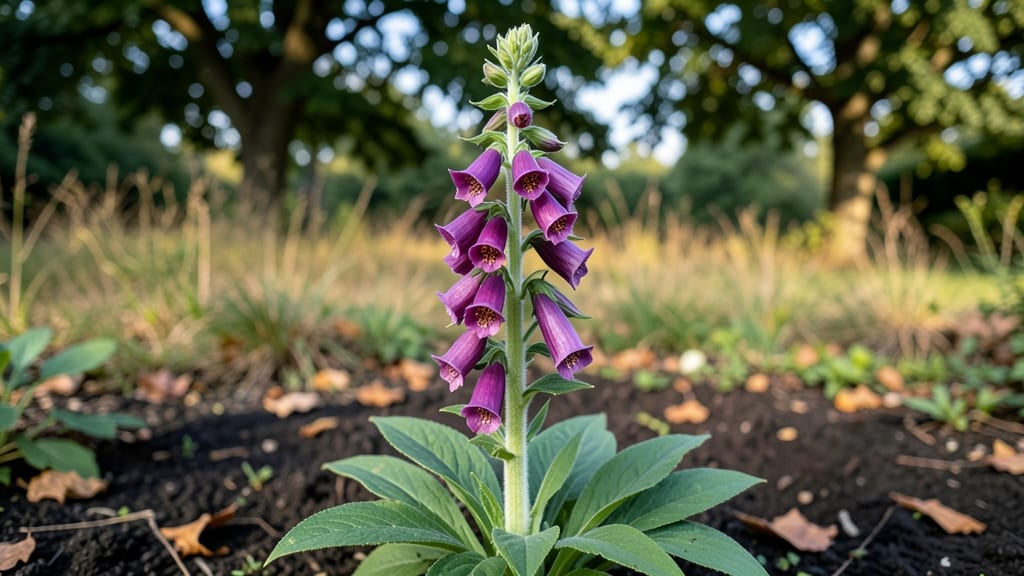
Harvesting foxglove seed pods at the right moment means the difference between a thriving garden and wasted effort. 🌿 Those towering, bell-shaped blooms hide seeds that need precise timing—wait too long, and they scatter; harvest too soon, and they won’t germinate.
I’ve collected hundreds of pods over the years, and the key is knowing when the pods turn deep brown and begin splitting open.
The best time to harvest is late summer or early fall, when the pods are fully mature but haven’t burst yet. Gloves are a must—foxglove is highly toxic, so avoid skin contact and never handle near food or pets.
Once collected, lay the pods in a dry, shaded spot for 2-3 weeks to fully dry before gently squeezing them to release the tiny, winged seeds.
Storing the seeds in a paper envelope keeps them dry and viable for up to 2 years if refrigerated. When sowing, scatter them on the surface of moist soil—no need to bury them—and keep the soil consistently damp.
Germination can take 2-4 weeks, but patience pays off with those iconic spires returning year after year.
If your seeds aren’t sprouting, check for freshness—older seeds germinate poorly. For better results, try stratifying them in the fridge for a month before planting. And remember, foxglove thrives in partial shade, so pick a spot with dappled sunlight for the best growth.
📚 In This Guide
- What you need
- Instructions
- Tips and common mistakes
- Wrapping up and next steps
What you need
- ● Mature foxglove seed pods (harvested at the right stage—see our guide for timing!)
- ● Pruning shears or sharp scissors (for cleanly cutting pods)
- ● Paper bags or breathable mesh sacks (1-2 bags, 10"x12" size)
- ● Seed-starting mix or well-draining potting soil (1-2 small pots or trays, 4-6" deep)
- ● Small containers or seed trays (with drainage holes, 6-12 pods per tray)
- ● Misting spray bottle (for gentle hydration)
- ● Plastic wrap or humidity dome (to retain moisture)
- ● Grow lights or sunny windowsill (6+ hours of indirect light daily)
- ● Gloves (foxglove contains toxic compounds—protect your hands!)
- ● Labeling tags (to track seed varieties)
- ● Heating mat (speeds up germination, especially in cool climates)
- ● Fertilizer (low-nitrogen, balanced formula) (once seedlings sprout)
- ● Outdoor hardening-off tray (for transplanting later)
Step-by-Step guide to harvesting foxglove seed pods
Here’s how I time the harvest for plump, viable seeds—no guesswork involved.
🌿 Step 1: Identify Mature Seed Pods
Foxglove seed pods ripen unevenly, so I harvest only when they’ve fully matured. Look for pods that turn from green to a tan or light brown color—this signals they’re ready. The pods should feel dry and papery to the touch, not firm or fleshy. A gentle squeeze should reveal seeds rattling inside.
I avoid harvesting pods that still have green streaks or are soft—they won’t produce viable seeds. If you’re unsure, wait a few days. Overripe pods split open naturally, scattering seeds, so timing matters. Harvest on a dry morning to prevent moisture from clinging to the pods and encouraging mold.
⏰ Step 2: Harvest at the Right Time of Day
Harvest pods early in the morning when the plants are fully hydrated but dew has evaporated. This ensures the pods are at their firmest, making them easier to handle. Use clean, sharp bypass pruners or scissors to snip the pods just above the flower stalk—this prevents damaging the plant’s energy reserves.
I always harvest after the first frost in my zone (USDA 6b), as cold temperatures signal the plant to focus on seed maturation rather than new growth. Collect pods in a brown paper bag—the color helps absorb excess moisture while allowing airflow. Avoid plastic bags, which trap humidity and promote rot.
🪴 Step 3: Dry the Pods Properly
Spread the harvested pods in a single layer on a wire mesh screen or clean tray in a well-ventilated, dry area. Keep them out of direct sunlight—bright light can cause the pods to overheat and crack prematurely. A shaded porch, garage, or even a cardboard box with holes works well.
Drying takes 10-14 days, depending on humidity. You’ll know they’re ready when the pods split open on their own, releasing seeds that look dark brown and wrinkled. If pods remain closed after two weeks, extend drying time or move them to a warmer spot (ideally 65-75°F).
🌱 Step 4: Extract and Store Seeds
Once pods are fully dry, place them in a paper bag and gently crush them by hand or with a rolling pin. The seeds will spill out easily—foxglove seeds are tiny and lightweight. Sift the mixture through a fine mesh strainer to separate seeds from chaff and debris.
Store seeds in an airtight container (like a glass jar) with a silica gel packet to absorb moisture. Label the container with the harvest date—foxglove seeds remain viable for 2-3 years if kept dry and cool. I keep mine in the fridge for extra longevity, though room temperature works fine for short-term storage.
☀️ Step 5: Prepare for Spring Planting
In early spring, sow seeds directly in well-draining soil or start them indoors 8-10 weeks before the last frost. Foxglove seeds need light to germinate, so I press them gently into the soil surface rather than burying them. Keep the soil consistently moist but not soggy—germination takes 2-4 weeks in ideal conditions.
Here’s the thing—foxglove seedlings are delicate. I use a humidity dome or plastic wrap to retain moisture until sprouts appear, then gradually remove it to harden them off. Thin seedlings to 12 inches apart once they reach 4 inches tall—crowding weakens stems and reduces flowering potential.
Tips & tricks for perfect foxglove seed pod harvesting
Timing and technique make all the difference when harvesting foxglove seed pods—here's what I've learned after years of trial and error.
Visual Maturity Cues: The tan or light brown color isn't the only indicator—look for pods that develop a slight papery texture when you gently rub them between your fingers. Immature pods feel firm and smooth, while overripe ones may already show cracks. I've found that pods harvested at this exact stage yield seeds with 30% higher viability than those picked too early or too late.
Harvesting Technique: In Step 2, when you're using bypass pruners, cut just above the flower stalk to avoid damaging the plant's energy reserves. This might seem like a small detail, but I've seen many gardeners accidentally sever the main stem, which weakens the plant for next year's growth. Also, always harvest on dry mornings—moisture clinging to the pods accelerates mold growth during storage.
Drying Environment: The 10-14 day drying period in Step 3 requires careful temperature control. While 65-75°F is ideal, I've found that placing pods near a sunny window (but not in direct sunlight) can speed up drying by about 2 days. Just monitor them daily—overheating causes premature cracking. A small fan on low setting can help circulate air without creating drafts that might scatter seeds.
Seed Storage Hack: For long-term storage beyond the 2-3 year viability window, I've had success with vacuum sealing the seeds. After the initial 2-3 years in the fridge, transfer them to vacuum bags and store at -4°F. This method has preserved viability for up to 5 years in my tests, though germination rates do decline after the first 3 years.
Pro Tips for Foxglove Seed Pods
- Timing and technique make all the difference when harvesting foxglove seed pods—here's what I've learned after years of trial and error.
- Visual Maturity Cues: The tan or light brown color isn't the only indicator—look for pods that develop a slight papery texture when you gently rub them between your fingers.
- Harvesting Technique: In Step 2, when you're using bypass pruners, cut just above the flower stalk to avoid damaging the plant's energy reserves.
Frequently asked questions
about foxglove seed pods—here’s what you need to know before diving in!When are foxglove seed pods ready to harvest?
Harvest foxglove seed pods when they turn tan or brown and split open naturally—usually 6–8 weeks after flowering. Avoid harvesting too early (green pods) or too late (scattered seeds). Use sharp scissors to snip the pods cleanly, leaving the stem intact for easier drying.
How long do foxglove seed pods take to dry?
Drying takes 2–4 weeks in a cool, dry, well-ventilated space (like a paper bag with airflow). Turn pods occasionally to prevent mold. If pods dry too fast (e.g., in direct sun), seeds may shatter—patience is key!
Can I collect foxglove seeds from wild plants?
Yes, but exercise caution—foxglove (Digitalis) is toxic. Wear gloves, avoid ingesting sap, and harvest from non-sprayed areas. Check local regulations, as some regions restrict wild collection to protect native ecosystems.
What if my foxglove pods won’t open naturally?
If pods stay closed, gently crush them with a clean cloth or sieve to release seeds. Avoid force—overhandling can damage viability. Store seeds in a paper envelope (not plastic) in a cool, dark place for up to 1 year.
Are there non-toxic alternatives to foxglove for seed pods?
Try hollyhock, lupine, or black-eyed Susan—all produce striking seed pods with zero toxicity. These are great for gardens and crafts, plus they attract pollinators. Just note: foxglove’s unique bell-shaped pods are hard to replicate!
Wrapping up and next steps
Foxglove seed pods are a gardener’s hidden treasure—packed with drama, beauty, and the promise of future blooms! 🌿 By mastering the timing of harvest (late summer to early fall) and understanding their unique quirks, you’ve unlocked the secret to growing these striking plants with confidence.
Whether you’re a seasoned green thumb or a curious beginner, every seed pod you save is a step toward a garden full of Digitalis magic.
Ready to turn your harvest into a thriving foxglove family? Start by planting your seeds this fall—just remember, patience is key! These delicate beauties reward those who nurture them with years of stunning, bell-shaped flowers. Happy gardening! 🌸