
Lawn
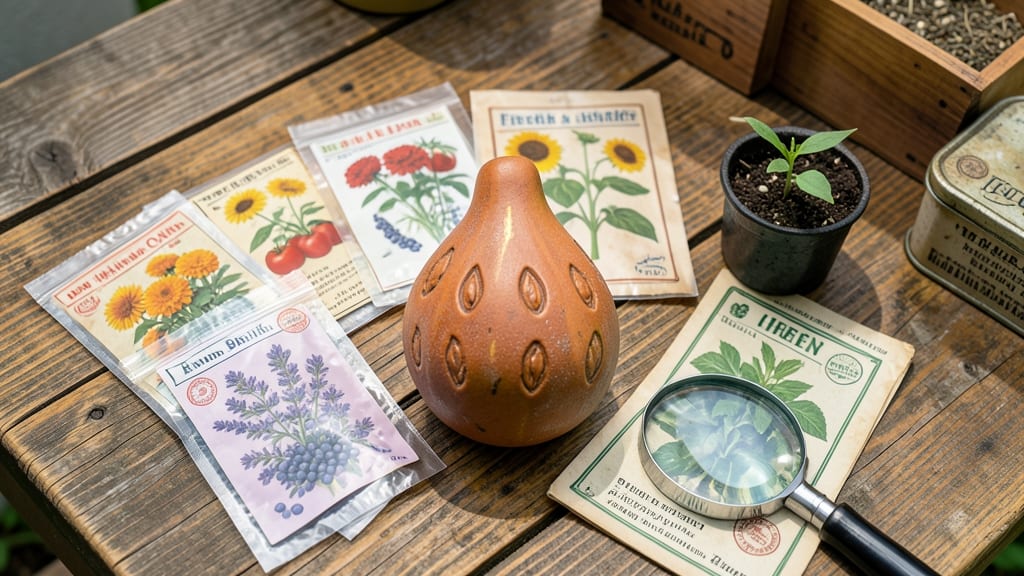
Garden seed catalogs are your golden ticket to a dream garden—packed with varieties you won’t find in stores and planting timelines tailored to your zone. 🌱 I still remember flipping through my first catalog as a kid, imagining the tomatoes, peppers, and flowers that would soon grow from those tiny seeds.
The best catalogs do more than list seeds—they tell you exactly when to plant, how far apart to space them, and what conditions they thrive in.
What makes a great catalog? Look for clear variety descriptions (like "heirloom," "disease-resistant," or "compact"), growing zone maps, and notes on whether seeds are organic or treated. My go-to catalogs include Burpee for beginners and Baker Creek Heirloom Seeds for rare varieties.
They also include planting charts that save me from guessing when to start seeds indoors or direct-sow outdoors.
Ordering is simple: mark your favorites, check shipping deadlines (some seeds lose viability if they sit too long), and store extras in a cool, dry place. I keep mine in labeled envelopes with the variety name and year—last year’s catalog becomes this year’s planting guide.
The payoff? A garden bursting with plants that suit your climate, soil, and taste.
Pro tip: Compare catalogs for the best prices and unique varieties. Some even offer seed swaps or discounts for bulk orders. Once you start collecting them, you’ll never buy store-bought plants again—the variety and freshness are unmatched.
📚 In This Guide
- What you need
- Instructions
- Tips and common mistakes
- Wrapping up and next steps
What you need
- ● Garden Seed Catalogs – At least 3-5 (to compare varieties, climates, and planting timelines). Opt for both regional and national catalogs for diverse options.
- ● Notebook or Planner – A dedicated garden journal with ruled pages (or a digital alternative like a tablet) for tracking seed choices, planting dates, and notes.
- ● Highlighters or Sticky Notes – 3-5 colors to mark favorites, deadlines, and special notes (e.g., heirloom vs. hybrid, organic vs. conventional).
- ● Ruler or Measuring Tape – A 12-inch ruler or flexible tape for sketching garden layouts and spacing plants accurately.
- ● Pencil or Pen – 2-3 (one for notes, one for circling seed codes or prices).
- ● Internet Access or Smartphone – For real-time climate checks, supplemental research, or accessing digital catalogs.
- ● Calendar or Planting Timeline Guide – A wall calendar or digital app (e.g., Old Farmer’s Almanac) to align seed orders with frost dates and moon phases.
- ● Garden Gloves – Lightweight, breathable pair for handling seeds or soil samples.
- ● Magnifying Glass – Useful for reading tiny print in vintage or detailed catalogs.
- ● Seed Storage Containers – Small, labeled ziplock bags or glass jars to organize saved seeds or samples.
- ● Printer – For printing seed variety charts or catalog pages for easy reference.
- ● Garden Community Resources – Local seed swaps, Facebook groups, or forums for crowd-sourced tips.
How to use garden seed catalogs for smart planting decisions
Here's how I turn seed catalogs into a foolproof planting plan tailored to my zone and season.
📖 Step 1: Identify Your Planting Zone and Season
First, locate your USDA hardiness zone on the catalog's zone map—this determines what will thrive in your area. I circle all varieties marked for my zone (mine's 6a) and highlight those labeled "early," "mid," or "late" season. This tells me exactly when to start seeds indoors or plant directly outside.
Next, check the catalog's planting timeline chart. It shows when to sow seeds based on your first/last frost dates. For example, cool-season crops like lettuce go in 4-6 weeks before your last spring frost, while heat-lovers like tomatoes wait until 2 weeks after. I mark these dates in my planner right away.
🌱 Step 2: Select Varieties Based on Your Goals
Now's the time to get specific. Scan the catalog for varieties that match your needs—whether it's disease-resistant tomatoes for your humid summers, compact cucumbers for small spaces, or heirloom beans for fresh eating. I always check the "days to maturity" column to ensure I pick varieties that will produce before the first frost in fall.
Don't overlook the catalog's notes about plant spacing and sunlight needs. A tight space? Look for "bush" or "compact" labels. Too much shade? Skip the sun-lovers. I jot these details next to each variety so I can visualize the garden layout later.
📅 Step 3: Plan Your Planting Schedule
Using the catalog's suggested planting dates, I create a month-by-month schedule. For example, peas and spinach can handle cooler temps, so they go in 4-6 weeks before last frost, while basil and beans wait until after frost danger has passed. I color-code my calendar—green for cool crops, red for warm—to keep it clear.
Pro tip: Check the catalog's "succession planting" section. This tells you which crops (like lettuce or radishes) can be sown every 2-3 weeks for continuous harvests. I mark these spots on my calendar with arrows to remind myself to replant.
✂️ Step 4: Organize Your Seed Order
Now it's time to translate your notes into an order. Group seeds by planting time—all the cool-season starters go in one batch, warm-season crops in another. I use the catalog's quantity recommendations (usually per 100 feet) to avoid overbuying, but I add 10% extra for backup.
Pay attention to the catalog's storage tips. Some seeds (like onions) need refrigeration, while others (like beans) last years in a cool, dark place. I label each packet with the variety, year, and planting date so I won't accidentally plant last year's leftover seeds.
🌿 Step 5: Prepare for Post-Order Success
Before ordering, I check the catalog's troubleshooting section for common issues with the varieties I've chosen. For example, some tomatoes need staking, while others grow bush-style. I note these details to prep my garden beds or containers accordingly.
Finally, I save the catalog's contact info. Many companies offer planting guides, soil tips, or even video tutorials that match the seeds I've ordered. I bookmark these now so I can reference them later when questions come up.
Tips & tricks for mastering garden seed catalogs
These practical strategies will help you turn seed catalogs into a stress-free, foolproof planting system.
Zone Mapping Matters: Double-check your USDA zone on the catalog's map—this isn't just about what grows, but when. I've seen gardeners in zone 6b accidentally order zone 7 varieties that struggle with our early frosts. Use the catalog's zone-specific planting charts to avoid this common mistake. The "early," "mid," and "late" season labels are your best friends for timing.
Visualize Your Garden Layout: Before ordering, sketch your garden space and note sun exposure patterns. Most catalogs include plant spacing requirements—use these to create a scale drawing. This helps you avoid overcrowding (which leads to poor air circulation and disease) or wasted space. I always mark my sketch with north/south orientation to ensure sun-loving plants get their required light.
Succession Planting Secret: The catalog's succession planting section is gold for continuous harvests. For example, lettuce sown every 2-3 weeks means fresh greens for months. I mark these replanting dates on my calendar with bright red stars so I don't forget. This simple system extends your growing season by 30-50% without extra work.
Storage Strategy: Pay attention to the catalog's seed storage recommendations—some seeds (like onions) need refrigeration while others (like beans) thrive in cool, dark places. I label each seed packet with the variety, purchase year, and planting date. This prevents me from accidentally planting last year's seeds (which may have lost viability) or forgetting what I ordered.
Pro Tips for Garden Seed Catalogs
- These practical strategies will help you turn seed catalogs into a stress-free, foolproof planting system.
- Zone Mapping Matters: Double-check your USDA zone on the catalog's map—this isn't just about what grows, but when.
- Visualize Your Garden Layout: Before ordering, sketch your garden space and note sun exposure patterns.
Frequently asked questions
Got questions about garden seed catalogs?
You're not alone! Here are answers to the most common queries to help you navigate seasonal planting with confidence.
When is the best time to order seeds from a catalog?
Order 6-8 weeks before your last frost date—this gives seeds time to arrive and start indoors if needed. For warm-season crops (like tomatoes or peppers), order 4-6 weeks before transplanting. Pro tip: Check your catalog’s shipping deadlines to avoid delays!
Can I still plant seeds if I missed the ideal timeline?
Many seeds (like lettuce, radishes, or spinach) thrive in cooler weather and can be sown late spring or early fall. For warm-season crops, opt for fast-maturing varieties or extend the season with row covers. Succession planting keeps your garden productive all year!
How do I choose seeds for my specific climate or zone?
Most catalogs list USDA Hardiness Zones and planting windows. Start by checking your zone (USDA Plant Hardiness Map) and look for seeds labeled for your region. Ask for regional recommendations if unsure—many catalogs offer tailored guides!
Are seed catalogs more expensive than store-bought seeds?
Not always! Catalogs often provide heirloom, organic, or rare varieties not found in big-box stores. Compare prices per seed packet: some catalogs offer bulk discounts or free shipping for orders over a certain amount. Weigh quality and variety over cost for long-term gardening success.
What should I do if my seeds arrive damaged or expired?
Contact the catalog’s customer service immediately—most offer replacements or refunds for damaged/expired seeds. Store seeds in a cool, dry place (like a fridge) to extend shelf life. Test germination by soaking seeds in water for 24 hours before planting!
Wrapping up and next steps
Garden seed catalogs are your gateway to a vibrant, thriving garden—no matter your climate or experience level! 🌱 From selecting seasonal varieties to planning your planting timeline, these catalogs make it easy to curate a garden that’s as unique as you are.
With the right seeds and a little patience, you’ll soon be harvesting fresh produce, blooms, and greenery that brings joy (and maybe even a few compliments) year-round.
Ready to get growing? Start by flipping through your favorite catalogs, marking your must-haves, and sketching a rough layout for your garden. Then, grab your gloves and tools—your future harvest is waiting! 🌿