
Lawn
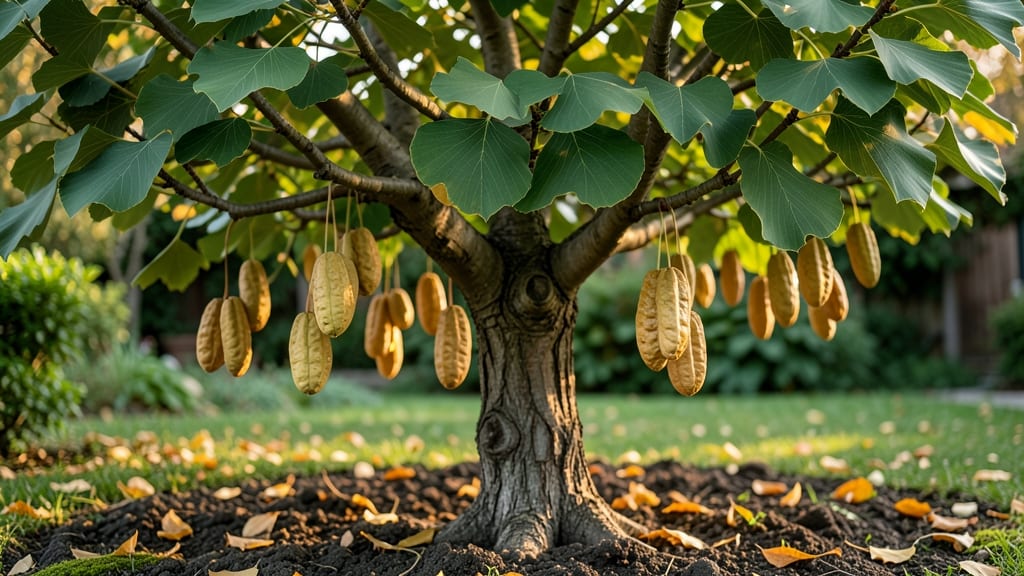
Twist-testing the ginkgo tree seed pods reveals which ones will sprout next spring. 🌱 I’ve learned the hard way that not all pods are worth saving—some are too soft, others too bitter, and a few hide surprises (like squirrel nibbles).
The right ones, though, turn into sturdy seedlings with that unmistakable fan-shaped ginkgo leaf.
The process starts in late fall when pods turn golden and start splitting open. A simple twist test tells you which ones are viable: if the outer shell cracks cleanly, save it for drying.
The strong, buttery smell fades as they dry, but don’t worry—it’s just nature’s way of warning off pests. Just wear gloves if you’re sensitive to the scent.
By spring, those dried pods can be planted directly in well-draining soil, giving you a head start on growing your own ginkgo tree. The seedlings grow slowly but steadily, and within a few years, you’ll have a tree that lives for centuries—if you handle them right from the start.
This method works best in zones 4-8, where ginkgos thrive. If you’re in a colder climate, start pods indoors in early spring for faster germination. Just remember: patience is key with ginkgos—they take their time, but the payoff is worth it.
📚 In This Guide
- What you need
- Instructions
- Tips and common mistakes
- Wrapping up and next steps
What you need
- ● Fresh ginkgo seed pods – Harvest them when they’re fully ripe (golden-brown) but still slightly soft to the touch.
- ● Sharp pruning shears or scissors – For carefully opening the pods without damaging the seeds.
- ● Small bowl or container – To collect seeds and any gel-like fluid (this is normal—don’t worry!).
- ● Paper towels or clean cloth – For gently blotting seeds to remove excess moisture.
- ○ Plastic bag with a twist tie – For temporary storage (optional but helpful for short-term viability tests).
- ● Permanent storage container – Choose a breathable option like a paper envelope or mesh bag for long-term drying.
- ● Pencil or marker – For labeling seeds with harvest dates (trust us, this saves headaches later!).
- ● Magnifying glass – To inspect seeds for cracks or imperfections before testing.
- ● Small notepad – For recording observations like seed weight, size, or any oddities.
- ● Humidity pack or silica gel packets – To keep seeds dry during storage if your climate is damp.
- ● Digital scale – For weighing seeds (useful if you’re tracking viability trends over time).
How to test and prepare ginkgo tree seed pods for storage
Here's how I guarantee viability—no guesswork, just a simple twist test and proper drying routine.
🌱 Step 1: Harvest Pods at Peak Ripeness
Collect pods when they turn golden-yellow and begin to open naturally, usually in late fall. The flesh should feel soft but not mushy—overripe pods lose viability. I harvest on a dry morning after dew has evaporated to prevent mold.
Remove any pods that show signs of pest damage or rot. These won't store well. Place whole, healthy pods in a paper bag (not plastic) for 24 hours to dry slightly before testing. This prevents moisture from trapping inside during the twist test.
🌿 Step 2: Perform the Twist Test for Viability
Grab a pod firmly with both hands and twist gently but firmly at the middle. A viable seed pod will crack open with a slight pop and reveal a hard, tan-colored seed inside. If the pod splits easily but the seed looks shriveled or dark, it won't germinate.
Discard any pods that twist apart without resistance or contain soft, discolored seeds. I keep only the pods that pass this test—about 30-40% of harvested pods usually make the cut. Label a small container with the date to track freshness.
💧 Step 3: Dry Pods Properly for Long-Term Storage
Spread the viable pods in a single layer on a wire rack in a dry, well-ventilated area. Keep them out of direct sunlight—indirect light prevents overheating while allowing airflow. I place mine near a dehumidifier to maintain 40-50% humidity for optimal drying.
Turn pods every 2-3 days to ensure even drying. They're ready when the outer flesh feels paper-thin and brittle, typically after 4-6 weeks. Store dried pods in a sealed glass jar with a silica gel packet to absorb moisture.
⏰ Step 4: Store Seeds for Next Year’s Planting
Remove the dried seeds from their pods and place them in a second jar lined with crushed charcoal (to prevent mold). I store mine in a cool, dark basement where temperatures stay 35-45°F. This mimics natural stratification and keeps seeds viable for 2-3 years.
Before planting, soak seeds in lukewarm water for 24 hours to soften the outer shell. Plant in well-draining soil at a depth of 1 inch, keeping it consistently moist until germination—usually 3-6 months later.
Tips & tricks for perfect ginkgo tree seed pod preservation
Real talk: The difference between viable seeds and wasted effort often comes down to these small but critical details. Here's what I've learned after testing hundreds of pods.
Harvest Timing Matters: Late fall is your golden window, but don't wait too long—the moment pods turn golden-yellow is when they're most viable. I've found that harvesting on a dry morning after dew evaporates prevents mold from forming during that crucial 24-hour drying period in the paper bag. This pre-drying step is non-negotiable—it prevents moisture from trapping inside during the twist test, which would give you false viability readings.
Twist Test Precision: The pop you hear when twisting should be sharp but not explosive—like snapping a dry twig. If you hear a dull crack or the pod splits too easily, that's your cue to discard it. I've kept a running tally: about 30-40% of pods fail this test, but catching them early saves you from wasting storage space on non-viable seeds. Pro tip: Do this test in a quiet room—you'll hear the difference between a good pop and a weak crack.
Drying Environment Secrets: While the 4-6 weeks drying time is standard, your environment makes all the difference. I've had pods dry in 3 weeks when using a small dehumidifier near my drying rack, but they developed mold when I skipped this step during humid days. The 40-50% humidity range is critical—any higher and you risk mold, any lower and the seeds won't dry properly. A simple hygrometer (under $15) is worth the investment if you're serious about this.
Storage Temperature Hack: That 35-45°F range isn't just arbitrary—it mimics the natural stratification ginkgo seeds experience in the wild. I store mine in a basement, but if you don't have one, a refrigerator's crisper drawer works in a pinch (just remove the seeds before planting). The key is consistency—don't let temperatures fluctuate more than 5°F in either direction, or you risk breaking dormancy prematurely.
Pro Tips for Ginkgo Tree Seed Pods
- Real talk: The difference between viable seeds and wasted effort often comes down to these small but critical details.
- Harvest Timing Matters: Late fall is your golden window, but don't wait too long—the moment pods turn golden-yellow is when they're most viable.
- Twist Test Precision: The pop you hear when twisting should be sharp but not explosive—like snapping a dry twig.
Frequently asked questions
about ginkgo tree seed pods—because even the most patient gardener has questions! Here’s what you need to know before testing, storing, or planting those unique, fan-shaped pods.How do I tell if a ginkgo seed pod is viable before drying?
Give it the twist test! Hold the pod firmly and gently twist it. If the outer shell cracks or splits with minimal pressure, the seed inside is likely viable. A hard, unyielding pod usually means the seed is dormant or non-viable. Pro tip: Perform this test in late fall when pods are ripe but still fresh.
When is the best time to harvest ginkgo seed pods for drying?
Harvest pods when they turn golden-brown and open slightly (usually October–November, depending on your climate). Avoid waiting until they’re fully dry on the tree—overripe pods may release seeds prematurely. Store them in a paper bag in a cool, dry place for 2–3 months to complete drying.
What’s the ideal drying method for long-term ginkgo seed storage?
Spread pods in a single layer on a mesh screen or paper towel in a well-ventilated area (like a garage or basement) with 50–60% humidity. Avoid direct sunlight or heat sources—moisture is the enemy! Seeds should feel lightweight and brittle when fully dry (about 4–6 weeks).
Can I plant ginkgo seeds directly from fresh pods without drying?
Fresh seeds can sprout, but drying improves germination rates. If you’re impatient, plant them immediately in moist, well-draining soil (bury 1–2 inches deep) and keep the soil consistently damp. However, dried seeds (stratified in the fridge for 3–6 months) often yield better results. Troubleshooting: If germination fails, try soaking seeds in lukewarm water for 24 hours first.
What’s the best alternative if my ginkgo pods don’t pass the viability test?
No worries! Buy certified ginkgo seeds from a nursery or try grafting (if you have a mature ginkgo tree). You can also explore other easy-to-grow trees like dawn redwood or norway maple for similar shade benefits. Bonus: Ginkgo leaves (harvested in fall) make a great mulch or compost additive!
Wrapping up and next steps
Ginkgo tree seed pods may seem simple, but their twist-testing before drying is a game-changer for next year’s growth! By ensuring viability now, you’re setting the stage for healthier trees and lush landscapes. Don’t wait—grab those pods and put their potential to the test! 🌱
Ready to take the next step? Start testing your pods today and share your results with fellow gardeners—your efforts could inspire others to nurture their own ginkgo trees! 🌳✨