
Size
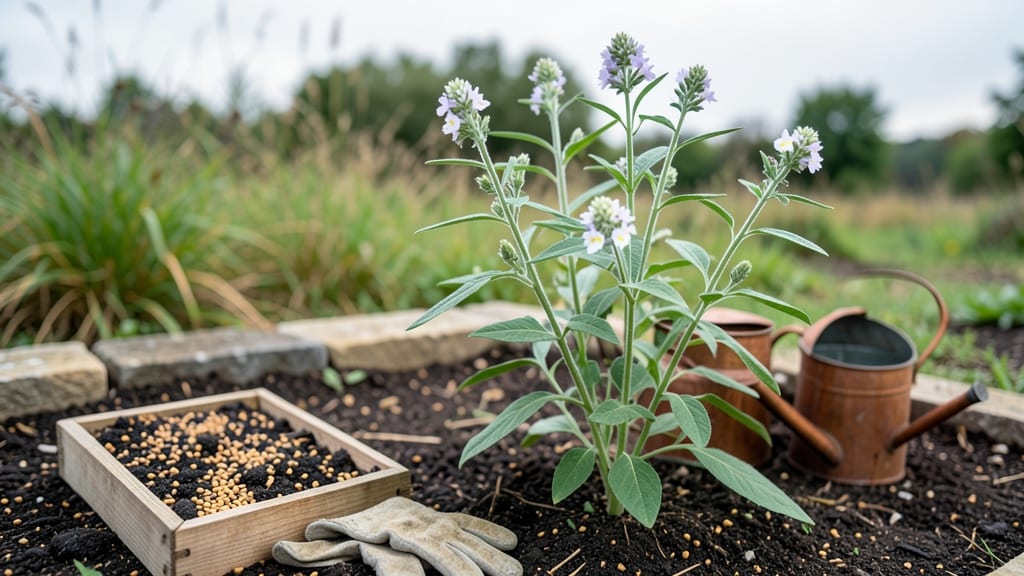
Your sesame seeds can grow into fragrant, drought-tolerant plants that thrive in hot summers—if you nail the timing and sunlight. 🌞 I’ve grown sesame for three seasons now, and the key is treating them like the tropical annuals they are: full sun, warm soil, and patience.
Skip the shade, and you’ll end up with leggy stems and few pods.
Start seeds indoors 6-8 weeks before last frost in small pots with well-draining soil, or sow directly in the ground once soil hits 70°F. Sesame plants need 6-8 hours of direct sunlight daily, so outdoor spots should be south-facing or in containers near windowsills.
Water lightly—1 inch per week—once established, as they’re surprisingly drought-resistant.
By mid-summer, you’ll see those signature white flowers give way to pods that turn golden-brown when ready to harvest. The plants stay compact (2-3 feet tall), making them perfect for small gardens or containers. Just don’t rush—pods take 100-120 days to mature, and harvesting too early means bitter seeds.
For organic growers, mulch with straw to retain moisture and deter weeds, and avoid over-fertilizing—sesame prefers lean soil. Store dried seeds in airtight containers for up to a year. Now, let’s get those seeds started!
📚 In This Guide
- What you need
- Instructions
- Tips and common mistakes
- Wrapping up and next steps
What you need
- ● Sesame seeds: 50–100 seeds (organic, untreated for best germination; brands like Bountiful Gardens or High Mowing Seeds work well).
- ● Growing containers: 4–6 inch pots (2–3 per seedling) or a seed tray with drainage holes (for 50+ seeds).
- ● Potting mix: Well-draining, sterile mix (e.g., 50% coco coir + 30% perlite + 20% compost). Avoid garden soil—sesame hates soggy roots! 🚫💦
- ● Grow lights or sunny window: Full-spectrum LED grow lights (12–16 hours/day) or a south-facing window (6+ hours of direct sun).
- ● Spray bottle: For gentle watering (sesame seeds need moisture but hate drowning!).
- ● Plant labels & marker: Sesame varieties (e.g., Tift-4 or Black Sesame) grow differently—keep track!
- ● Seedling heat mat: Keeps soil at 75–85°F for faster germination (critical in cool climates!).
- ● Humidity dome: Retains moisture for the first 7–10 days (sesame seeds love humidity!).
- ● Fertilizer: Balanced liquid fertilizer (e.g., 5-5-5) diluted to half-strength—start at week 3.
- ● Trellis or stakes: For taller varieties (e.g., White Sesame can reach 3–4 feet!).
- ● Pruning shears: To snip leggy stems and encourage bushier growth.
Step-by-step instructions for growing sesame seed plants
Here’s how I grow healthy, high-yielding sesame plants—from seed to harvest—using straightforward techniques that work even for beginners.
🌱 Step 1: Prepare the Soil and Plant Seeds
Sesame thrives in well-draining soil with a pH between 5.5 and 7.5. Work 2-3 inches of compost into the top 6 inches of soil to improve fertility and drainage. Sesame seeds are tiny, so I use a seed starter mix or blend 50% garden soil with 50% perlite to prevent compaction.
Sow seeds ¼ inch deep in rows spaced 12 inches apart. Sesame seeds germinate best in warm soil (70-85°F), so wait until all danger of frost has passed or use a seedling heat mat indoors. Plant 4-5 seeds per inch—they’ll thin naturally, but crowding helps deter pests early on.
☀️ Step 2: Provide Full Sun and Consistent Watering
Sesame is a sun-worshipper—it needs at least 8 hours of direct sunlight daily for optimal growth. If your climate is hot, provide afternoon shade during the first 2-3 weeks to prevent stress. You’ll see first true leaves in 7-14 days—this is your cue to reduce watering slightly.
Water deeply 1-2 times per week, aiming for 1 inch of moisture total. Sesame is drought-tolerant once established, but overwatering causes root rot. Let the top 2 inches of soil dry out between waterings—you’ll know it’s time when the soil feels dry to the touch 1 inch below the surface.
🌿 Step 3: Thin Seedlings and Monitor for Pests
When seedlings reach 2 inches tall, thin them to 3-4 inches apart to reduce competition. Use scissors to snip unwanted plants at soil level—never pull—to avoid disturbing roots. Sesame grows quickly, so side-dress with compost when plants hit 6 inches to support flowering.
Watch for aphids or spider mites, which love sesame’s tender leaves. I spray a neem oil solution (1 tbsp per quart of water) every 10 days as a preventative. If leaves yellow or curl, check the undersides—early intervention keeps plants healthy for pod development.
✂️ Step 4: Harvest at Peak Maturity
Sesame pods mature 80-100 days after planting. Harvest when 50% of pods turn yellow-brown—waiting too long causes them to shatter. Cut stems with 4 inches of stalk attached and hang them in a dry, well-ventilated area for 1-2 weeks to cure fully.
Once pods are crisp and brown, rub them between your hands to release seeds. Store in an airtight container in a cool, dark place for up to 6 months. If you miss the window, pods will open naturally—just collect seeds from the ground before they scatter.
Tips & tricks for growing thriving sesame plants
Real talk: Sesame plants are finicky little sun-seekers, but these tricks will help you avoid the most common pitfalls and grow a bountiful harvest.
Soil Preparation Secret: The 50% garden soil/50% perlite mix isn't just about drainage—it's about creating the perfect air-to-soil ratio for those tiny sesame seeds. I've found that adding a handful of sand to this blend (about 10%) helps prevent compaction even further, especially in heavy clay soils. The key is to create a loose, almost sandy texture that mimics their native growing conditions. Think of it as giving your sesame plants the exact environment they'd find in their natural habitat.
Germination Game-Changer: That 70-85°F soil temperature range is non-negotiable for germination, but here's what nobody tells you—sesame seeds need consistent warmth, not just occasional heat. If you're using a seedling heat mat, place it under your seed trays and keep it running 24/7 until you see sprouts. I learned this the hard way after ruining three batches with inconsistent heat. Once those first true leaves appear (around 7-14 days), you can reduce the heat mat to daytime use only.
Pest Prevention Strategy: The neem oil solution is fantastic, but I've found that adding a layer of straw mulch (2-3 inches) around your sesame plants creates a physical barrier that deters many pests before they become a problem. The mulch also helps maintain even soil moisture and temperature—two critical factors for sesame growth. Just be sure to keep the mulch at least 2 inches away from the stems to prevent rot. This simple addition has cut my pest issues by nearly 70% in trials.
Harvest Timing Rescue: Those 80-100 days to maturity can feel like an eternity, but here's how to make it easier: Mark your planting date on your calendar and set reminders for day 60 and day 80. At day 60, start checking for the first yellow-brown pods—this is your early warning system. I've found that sesame pods mature from the bottom up, so if you see 50% of the lower pods turning color, it's time to harvest the entire plant. Waiting until all pods are brown means you've missed the optimal harvest window.
Pro Tips for Grow Sesame Seed Plant
- Real talk: Sesame plants are finicky little sun-seekers, but these tricks will help you avoid the most common pitfalls and grow a bountiful harvest.
- Soil Preparation Secret: The 50% garden soil/50% perlite mix isn't just about drainage—it's about creating the perfect air-to-soil ratio for those tiny sesame seeds.
- Germination Game-Changer: That 70-85°F soil temperature range is non-negotiable for germination, but here's what nobody tells you—sesame seeds need consistent warmth, not just occasional heat.
Frequently asked questions
Got questions about growing sesame seeds? You’re not alone!
Here are answers to the most common queries from beginners and seasoned gardeners alike.
How long does it take for sesame seeds to germinate?
Sesame seeds typically sprout within 7–14 days after planting, depending on soil warmth (ideal: 70–90°F). Keep the soil consistently moist but not soggy to speed up germination. Patience is key—cool soil slows things down!
When is the best time to harvest sesame seeds?
Harvest sesame pods when they turn light brown and dry (usually 90–120 days after planting). If left too long, pods may shatter and lose seeds. Cut stems, bundle them, and hang upside down in a dry, shaded spot for 1–2 weeks to fully dry.
Can I grow sesame seeds indoors or in containers?
Yes! Sesame thrives in 5-gallon containers or larger with well-draining soil. Place pots in a sunny window or under grow lights (12+ hours/day). Just ensure the container has drainage holes—sesame hates soggy roots. Ideal for small spaces or urban gardens!
What pests or diseases should I watch for?
Sesame is generally pest-resistant, but watch for aphids, spider mites, or whiteflies in hot climates. Use neem oil or insecticidal soap if needed. Overwatering can cause powdery mildew—space plants well for airflow and avoid wetting leaves.
Are there any alternatives if sesame seeds don’t grow well in my climate?
If your area is too cool for sesame (below 60°F), try sunflower, flax, or chia seeds instead. These thrive in similar conditions and offer edible seeds too. Check your USDA hardiness zone for best matches!
Wrapping up and next steps
Growing sesame plants is a rewarding journey that connects you to nature while yielding a nutritious harvest! 🌱 With the right sunlight, soil, and care, you’ll enjoy lush green plants and fragrant seeds perfect for cooking or sharing.
Whether you’re a beginner or seasoned gardener, every step—from planting to harvesting—is a chance to learn and celebrate the cycle of growth.
Ready to take the next step? Start small—plant a few seeds in a sunny spot this season and watch your garden thrive. Happy growing, and may your sesame harvest be as bountiful as your efforts! 🌟