
Propagation
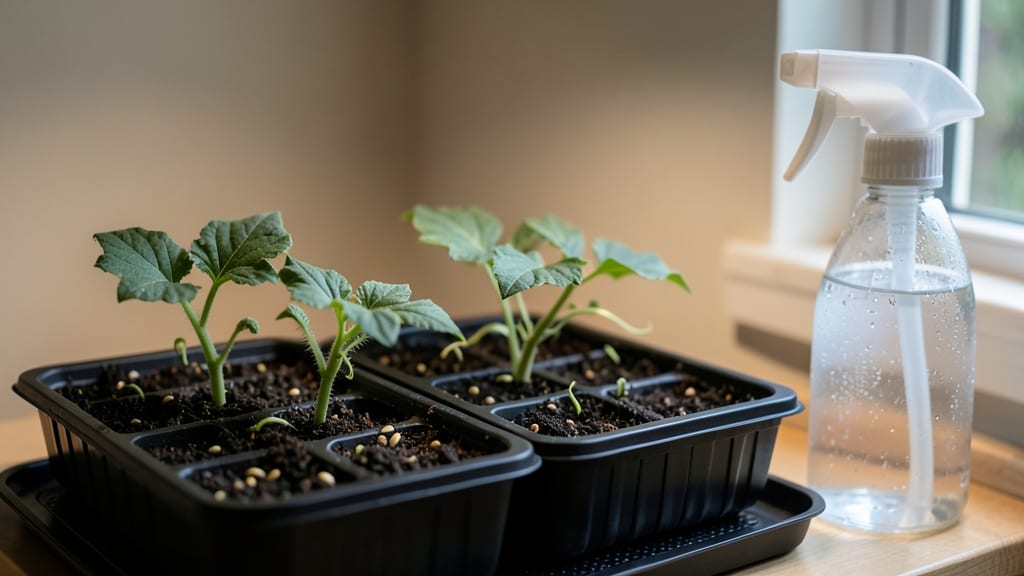
Growing zucchini from seed indoors means summer squash on your table three weeks earlier than store-bought plants. I’ve started dozens of zucchini seeds in my kitchen, and the secret isn’t fancy equipment—it’s timing, light, and knowing when to push those seedlings outside.
The first true leaves appear in 5-7 days, and by then, you’ll be hooked on the speed of it all.
You’ll need just three things: a shallow container (like a seed tray or even a repurposed takeout box), seed-starting mix (not garden soil), and a warm, sunny spot. Zucchini seeds germinate fastest in 70-85°F soil, so a heat mat helps if your kitchen stays chilly.
Plant seeds 1 inch deep, two per pot, and keep the soil damp—not soggy. That’s it. No greenhouses, no grow lights yet—just patience and a windowsill.
By the time those seedlings have two sets of true leaves (about 2-3 weeks), they’ll be ready to harden off. Place them outside for 3-4 hours the first day, gradually increasing time until they’re full-time outdoor residents.
The payoff? Bushes that produce more squash than you can handle—and the satisfaction of knowing you grew them from a tiny seed. No more $4 plants from the nursery.
Here’s the kicker: zucchini seedlings hate being crowded. If you start them too close together, they’ll stretch toward light like teenagers reaching for the fridge.
Thin to the strongest seedling per pot, and watch them transform into stocky, disease-resistant powerhouses. Ready to grow your own? Let’s get those seeds sprouting.
📚 In This Guide
- What you need
- Instructions
- Tips and common mistakes
- Wrapping up and next steps
What you need
- ● Zucchini seeds: 3–5 high-quality, non-GMO seeds (choose fast-maturing varieties like 'Eight Ball' or 'Black Beauty').
- ○ Seed-starting trays or pots: 2–4 small containers (2–3 inches deep) with drainage holes. Optional: Biodegradable peat pots for easy transplanting.
- ● Seed-starting mix: 1–2 cups of sterile, lightweight potting soil (avoid garden soil—it’s too dense!).
- ● Grow lights or sunny windowsill: A south-facing window (6+ hours of sunlight) or a full-spectrum LED grow light (12–16 hours/day).
- ● Spray bottle: For gentle watering (avoid over-saturating seeds!).
- ● Humidity dome or plastic wrap: To retain moisture while seeds germinate (remove after sprouting).
- ○ Thermometer (optional but helpful): Ideal germination temp: 70–90°F (21–32°C).
- ● Heating mat: Speeds up germination (especially in cooler climates).
- ● Fertilizer: A balanced, water-soluble fertilizer (dilute to half-strength) once seedlings have 2–3 true leaves.
- ● Fungicide: Preemptive treatment (like neem oil) to prevent damping-off disease.
- ● Labeled markers: To track seed varieties and planting dates.
- ● Pruning shears: For future trimming (once plants mature!).
Step-by-step instructions for growing zucchini from seed indoors
Here's my foolproof method for getting zucchini seedlings off to a flying start before transplanting.
Prepare Containers and Seed Starting Mix
Use 4-inch diameter biodegradable pots—they’re perfect for zucchini’s fast-growing roots and eliminate transplant shock. Fill each pot ¾ full with a sterile seed-starting mix (never garden soil—it’s too dense and may harbor disease). I like to mix in a handful of perlite to improve drainage and prevent compaction.
Moisten the mix until it feels like a damp sponge—squeeze gently, and it should hold together without dripping. Press the soil down lightly to remove air pockets, but don’t pack it too tightly. This ensures roots can spread easily once germination begins. Label each pot with the variety and date, since zucchini grows so quickly you’ll forget which is which in no time.
Sow Seeds at the Correct Depth and Warmth
Zucchini seeds are large and should be planted 1 inch deep—about three times their diameter. Drop 2-3 seeds per pot (they germinate quickly, so you’ll thin later). Cover lightly with additional mix, then mist the surface with water until evenly damp. Avoid heavy watering, which can dislodge the seeds or bury them too deep.
Place the pots in a seedling heat mat set to 80-85°F—this warmth speeds germination from 5-7 days to just 3-5 days. Without heat, zucchini seeds can take 10-14 days to sprout, and that’s time you don’t have if you’re aiming for an early harvest. Keep the soil consistently moist but not soggy during this period.
Provide Optimal Light for Strong Seedlings
The moment you see cotyledons (those first tiny leaves), move the seedlings to a south-facing window or under grow lights for 14-16 hours of light daily. Zucchini seedlings stretch aggressively toward light if they’re deprived—you’ll know they’re leggy when stems grow thin and pale, with leaves spaced far apart. Strong seedlings have thick stems, deep green color, and compact spacing between leaves.
If using a grow light, position it 2-4 inches above the plants and raise it as they grow. Without enough light, seedlings become weak and may never recover. A simple trick: Rotate pots ¼ turn daily so they grow straight instead of leaning toward the light source.
Thin and Harden Off Before Transplanting
Once seedlings have 2-3 true leaves (not just the initial cotyledons), thin to the strongest seedling per pot. Use scissors to snip the weaker ones at soil level—this avoids disturbing the roots of the remaining plant. Water deeply after thinning to help recovery. Zucchini seedlings grow fast, so don’t delay this step.
Begin hardening off 10-14 days before your last frost date. Start by placing pots outside in a sheltered, shaded spot for 1-2 hours the first day. Gradually increase exposure by 1 hour daily, eventually moving them to full sun and wind for a full day. This toughens the seedlings so they’re ready for the garden without shock. Transplant on an overcast afternoon to reduce stress.
Transplant and Maintain for Rapid Growth
Plant zucchini seedlings 12-18 inches apart in full sun (they need 6-8 hours daily). Dig a hole slightly deeper than the pot to encourage root expansion. Water deeply at transplanting to settle the soil and remove air pockets. Mulch with 2-3 inches of straw to retain moisture and suppress weeds—zucchini plants drink a lot once established.
Fertilize with a balanced organic fertilizer (like 5-5-5) two weeks after transplanting. Zucchini is a heavy feeder, so side-dress with compost every 3-4 weeks during the growing season. Watch for yellowing leaves—this usually means the plant needs more water or nutrients, not disease. With proper care, you’ll see first harvests in just 45-55 days from transplanting.
Tips & tricks for speed-sprouting zucchini indoors
Zucchini seedlings can go from sprout to transplant-ready in record time—if you avoid these common pitfalls and leverage a few pro techniques.
Seedling Heat Mat Strategy: The 80-85°F heat mat temperature isn't just about speeding germination—it's about creating the ideal tropical conditions zucchini seeds evolved in. I've found that placing a small fan on low near the pots creates gentle air movement, which prevents mold from forming on the soil surface during those critical 3-5 days. This mimics natural wind patterns and actually helps strengthen the emerging seedlings before they even break the soil.
Lighting Hack for Small Spaces: If you don't have a south-facing window, a simple LED grow light on a timer set for 14-16 hours daily works wonders. Position it just 2-3 inches above the seedlings initially, then raise it as they grow—this prevents the classic "leggy" syndrome where stems stretch like toothpicks. I've even used a clamp lamp with a full-spectrum bulb in a pinch, though it's not as efficient. The key is maintaining that consistent light exposure without burning the tender leaves.
Thinning Technique: When you're thinning to the strongest seedling per pot at the 2-3 true leaves stage, don't just pull the weaker ones—snip them at soil level with clean scissors. This prevents disturbing the roots of your chosen seedling and gives you a clean cut that won't tear. I've seen beginners accidentally uproot their main plant while removing the extras, which sets them back weeks. Also, water deeply after thinning to help the remaining plant recover from the shock of losing its siblings.
Transplant Timing: The overcast afternoon transplant recommendation isn't just about reducing stress—it's about giving your seedlings time to acclimate before facing the full intensity of sunlight. I've found that transplanting in the late afternoon allows the soil to stay cooler and the plants to settle in before nightfall. This is especially important for zucchini, which can bolt (flower prematurely) if stressed. If you must transplant on a sunny day, do it in the early morning instead.
Pro Tips for Growing Zucchini From Seed Indoors
- Zucchini seedlings can go from sprout to transplant-ready in record time—if you avoid these common pitfalls and leverage a few pro techniques.
- Seedling Heat Mat Strategy: The 80-85°F heat mat temperature isn't just about speeding germination—it's about creating the ideal tropical conditions zucchini seeds evolved in.
- Lighting Hack for Small Spaces: If you don't have a south-facing window, a simple LED grow light on a timer set for 14-16 hours daily works wonders.
Frequently asked questions
Got questions about growing zucchini from seed indoors? You’re not alone! Here are some of the most common concerns—and their answers—to help you succeed with your speed-sprouting zucchini adventure.
How long does it take for zucchini seeds to germinate indoors?
With the right warmth (70–90°F) and moisture, zucchini seeds typically sprout in 5–10 days. If using the window farm hack, keep soil consistently damp and place seeds near a sunny window or under grow lights. Patience is key—some seeds may take up to 2 weeks, especially in cooler conditions.
When should I transplant seedlings outdoors after starting indoors?
Wait until after the last frost and when nighttime temps stay above 50°F. Zucchini seedlings are tender and need warmth! Harden them off for 7–10 days by gradually exposing them to outdoor conditions. Aim for a transplant window 2–3 weeks before your area’s last frost date for a head start.
What’s the best indoor temperature for germinating zucchini seeds?
Zucchini seeds thrive in 70–90°F soil temps. Use a seedling heat mat (set to 75–85°F) or place your container on top of a refrigerator or warm appliance. Avoid drafts or cold windowsills—consistent warmth speeds up germination and prevents weak seedlings.
Why aren’t my zucchini seeds sprouting? Troubleshooting tips!
Check these common issues:
- Too cold: Seeds need warmth to activate. Move them closer to a heat source.
- Dry soil: Keep soil moist (not soggy) with a spray bottle or bottom-watering.
- Old seeds: Zucchini seeds lose viability after 5–7 years. Test a few in warm water—if they sink, they’re likely still good.
- Depth issues: Plant seeds half their size deep (about ½ inch). Too deep = slow sprouting.
Can I grow zucchini indoors year-round without a garden?
Yes! With grow lights (12–14 hours/day), a sunny windowsill, and proper care, you can grow zucchini indoors. Use a large container (at least 5-gallon size) and prune aggressively to manage size. Expect smaller yields than outdoor plants, but you’ll still get fresh, homegrown zucchini—even in winter!
Wrapping up and next steps
Growing zucchini from seed indoors is a rewarding way to jumpstart your garden and enjoy a bountiful harvest—even if you’re working with limited space or a short growing season! 🌱 With the right setup, patience, and a little care, you’ll be transplanting sturdy seedlings into your garden (or containers) in just a few weeks.
The key is consistency: keep those seeds warm, hydrated, and happy, and don’t forget to harden them off before the big move.
Now that you’re armed with the know-how, it’s time to get sprouting! Grab your supplies, follow the steps, and soon you’ll be reaping plump, homegrown zucchini straight from your very own indoor farm. Ready to dig in? Start planting today! 🚀