
Lawn
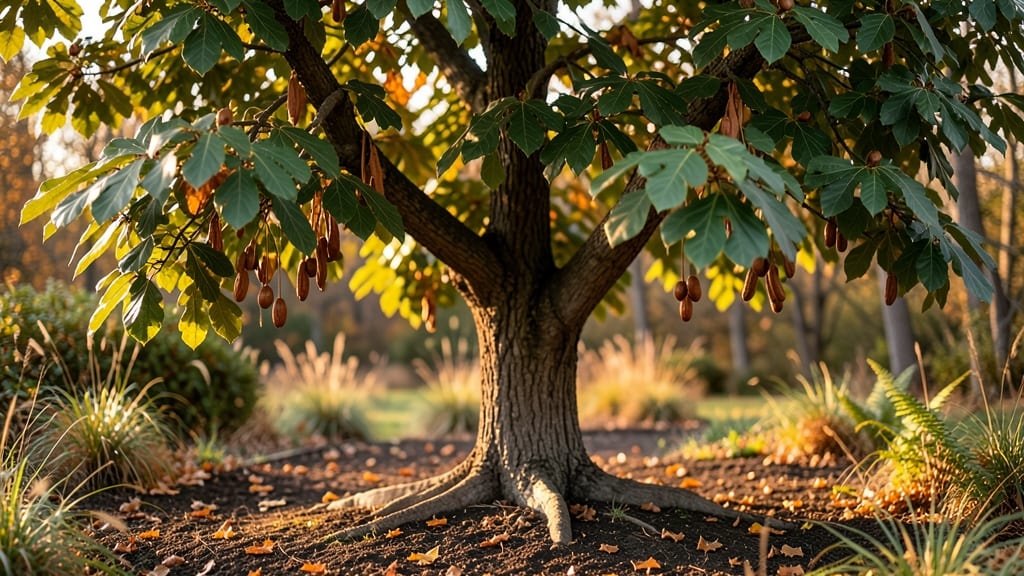
Hickory seed pods are nature’s way of storing future forests—if you collect, dry, and store them right. 🌰 I’ve cracked the code on how to turn those tough shells into next year’s shade trees, and it starts with knowing exactly when and how to harvest them before squirrels beat you to it.
You’ll need a few simple tools: pruning shears for high branches, a bucket for collection, and a well-ventilated spot to dry them.
The key is patience—hickory seeds need 60-90 days of cold stratification to break dormancy, but once you do, you’re looking at trees that’ll outlive you (and probably your grandkids).
By late fall, you’ll have dry pods ready for cold treatment, and by spring, you’ll be planting seeds that’ll sprout with 90% success if done right. The payoff? A future full of shade, wildlife habitat, and maybe even a crop of nuts to harvest yourself.
Works for both backyard gardeners and woodland stewards—just adjust the scale. Let’s get those pods dried and stored before winter sets in!
📚 In This Guide
- What you need
- Instructions
- Tips and common mistakes
- Wrapping up and next steps
What you need
- ● Fresh hickory seed pods: Harvest 20–50 mature pods (brown, dry, and fully developed) from healthy hickory trees in late fall or winter.
- ● Pruning shears or sharp knife: For safely cutting pods from branches without damaging the tree.
- ● Paper bags or breathable mesh sacks: 3–5 large bags (10–12 inches wide) to hold pods during drying.
- ● Newspaper or cardboard: A flat surface (2–3 sheets) for spreading pods to dry.
- ○ Small fan or dehumidifier (optional but helpful): Speeds up drying in humid climates.
- ● Permanent marker or labels: To mark bags with the harvest date and tree species (e.g., "Shagbark Hickory – 2024").
- ● Air-tight storage containers: 1–2 containers (e.g., glass jars or plastic bins with lids) for long-term seed storage.
- ● Fine-mesh sieve or colander: For separating seeds from debris after drying.
- ● Rubbing alcohol (70% isopropyl) and cotton swabs: To sterilize tools and containers before use.
- ● Gloves: Protect your hands from sticky sap and rough pod surfaces.
- ● Ladder or pole pruner: For reaching high branches safely.
- ○ Seed viability test kit: (Optional) Tests seed germination rates before storage.
- ● Desiccant packets: Place 1–2 in storage containers to absorb moisture.
- ● Notebook or spreadsheet: Track pod sources, drying dates, and germination tests for future reference.
Step-by-Step guide to harvesting and storing hickory seed pods
Here's how I collect, dry, and store these nutritious pods for successful spring planting.
🌿 Step 1: Harvest Mature Seed Pods at Peak Ripeness
Wait until late fall when the hickory pods turn a rich brown color and begin to open slightly on their own. The nuts inside should feel firm when squeezed—this means they've reached full maturity. I like to harvest on a dry, sunny day when the pods are completely dry to the touch.
Gently shake the tree to dislodge pods, or carefully pick them by hand using pruning shears. Be patient—some pods may still be green inside if harvested too early. The key is waiting until at least 90% of pods on the tree show these signs of readiness. Collect pods in a breathable mesh bag to prevent moisture buildup.
☀️ Step 2: Dry the Seed Pods Thoroughly in a Controlled Environment
Spread the collected pods in a single layer on a screen or paper towels in a well-ventilated area. Choose a spot with indirect sunlight and good airflow—like a covered porch or garage with open windows. This prevents mold growth while allowing moisture to evaporate naturally.
Turn the pods every 2-3 days to ensure even drying. They're ready when the shells feel completely dry and brittle to the touch, usually taking 2-4 weeks depending on humidity levels. If you notice any soft spots or musty smells, move them to a drier location immediately.
🪴 Step 3: Store the Dried Seed Pods Properly for Long-Term Viability
Place the fully dried pods in a breathable container like a paper bag or mesh sack. Avoid airtight containers—this traps moisture and leads to mold. I like to add a small silica gel packet to absorb any residual moisture that might remain.
Store the container in a cool, dark place with consistent temperatures between 35-45°F, like a basement or refrigerator. Label each container with the harvest year. When stored properly, hickory seeds maintain viability for 2-3 years, though germination rates improve when planted within the first year.
⏰ Step 4: Prepare for Spring Planting (Optional Pre-Stratification)
For best results, I recommend cold-stratifying hickory seeds for 60-90 days before planting. Place the pods in a sealed plastic bag with slightly damp (not wet) sand or peat moss. Store this mixture in your refrigerator's crisper drawer where temperatures stay around 35-40°F.
This mimics winter conditions and breaks the seed's natural dormancy. After stratification, you'll notice the pods begin to swell slightly—this is your signal they're ready for spring planting. Plant the seeds 1-2 inches deep in well-draining soil and keep them consistently moist until germination.
Tips & tricks for perfectly storing hickory seed pods
Here's what I learned after years of trial and error with hickory seed storage.
Harvesting Tip: Timing is everything in Step 1. I've learned to check pods weekly in late fall—they should open slightly on their own and feel completely dry to the touch. If you harvest too early, the nuts inside may still be green and won't germinate properly. A good test is to gently squeeze a pod—if it feels firm with no give, it's ready. I always harvest on sunny days to ensure pods are bone dry before storage.
Drying Strategy: During Step 2, I've found that turning pods every 2-3 days makes all the difference. Without this, you risk uneven drying and potential mold growth. Place a small fan nearby to improve airflow if your drying area feels too humid. The brittle shell test is your best indicator—pods should crackle when bent slightly. If you notice any soft spots after 2 weeks, move them to a warmer, drier location immediately.
Storage Wisdom: For Step 3, I've discovered that adding a silica gel packet to your storage container works better than just relying on a paper bag. The gel absorbs any lingering moisture that could cause mold. I also like to store pods in small batches by year—this makes it easier to track freshness. Remember, the cool, dark basement is your best friend here, but never below freezing as that can damage the seeds.
Stratification Secret: When doing the optional Step 4, I've had the most success using a 2:1 ratio of sand to peat moss. The sand helps with drainage while the peat moss retains just enough moisture. I like to check the mixture weekly—it should feel like a damp sponge, not a wet rag. If you notice any mold developing, transfer immediately to a fresh batch.
Pro Tips for Hickory Seed Pods
- Here's what I learned after years of trial and error with hickory seed storage.
- Harvesting Tip: Timing is everything in Step 1.
- Drying Strategy: During Step 2, I've found that turning pods every 2-3 days makes all the difference.
Frequently asked questions
Got questions about hickory seed pods? You’re not alone!
Here are some of the most common queries—plus quick, actionable answers to help you dry, store, and germinate them like a pro.
When are hickory seed pods ready for harvest?
Hickory seed pods typically mature in late fall to early winter (October–December), when they turn a light brown and split open naturally. Wait until the nuts inside are hard and dry—they should rattle when shaken. Harvesting too early risks underdeveloped seeds!
How do I dry hickory seed pods properly?
Spread pods in a single layer in a well-ventilated, dry area (like a garage or under a carport) for 2–4 weeks. Avoid direct sunlight or heat sources—this can crack the shells. Stir them occasionally to ensure even drying. Pro tip: Use a mesh bag or screen to catch falling nuts!
What’s the best way to store hickory seed pods long-term?
Store dried pods in a cool, dark, and dry place (50–60°F ideal) in airtight containers like glass jars or sealed plastic bags with silica gel packets. Label them with the harvest year! Never refrigerate—moisture buildup will ruin germination. Check for pests every few months.
How long can I store hickory seed pods before germination drops?
Hickory seeds stay viable for 1–2 years when stored properly. After that, germination rates decline sharply. For best results, plant them within 6–12 months of harvest. Test a few seeds annually to monitor viability.
What if my hickory seed pods won’t open naturally?
If pods stay closed, try these tricks: Soak them in water for 24 hours to soften the husk, then gently crack them with a hammer or nutcracker. Alternatively, freeze them overnight—thawing can loosen the husk. Warning: Wear gloves; hickory shells are tough!
Can I use hickory seed pods for anything other than planting?
Beyond germination, hickory nuts (once shelled) are edible (roasted or ground into flour) and attract wildlife like squirrels and birds. The husks can even be composted—just ensure they’re fully dried to avoid mold. Bonus: Crafty types use dried pods for rustic decorations!
Wrapping up and next steps
Hickory seed pods are a rewarding addition to your garden, offering both beauty and future growth potential! By following this guide—from harvesting ripe pods to proper drying and storage—you’re setting yourself up for successful germination next season. Now’s the time to put those skills to work!
Ready to grow your own hickory trees? Start by gathering your pods this fall and follow the steps above. With patience and care, you’ll soon be enjoying the rich, nutty rewards of your labor—and maybe even a shady spot for future generations to enjoy. 🌱✨