
Lawn
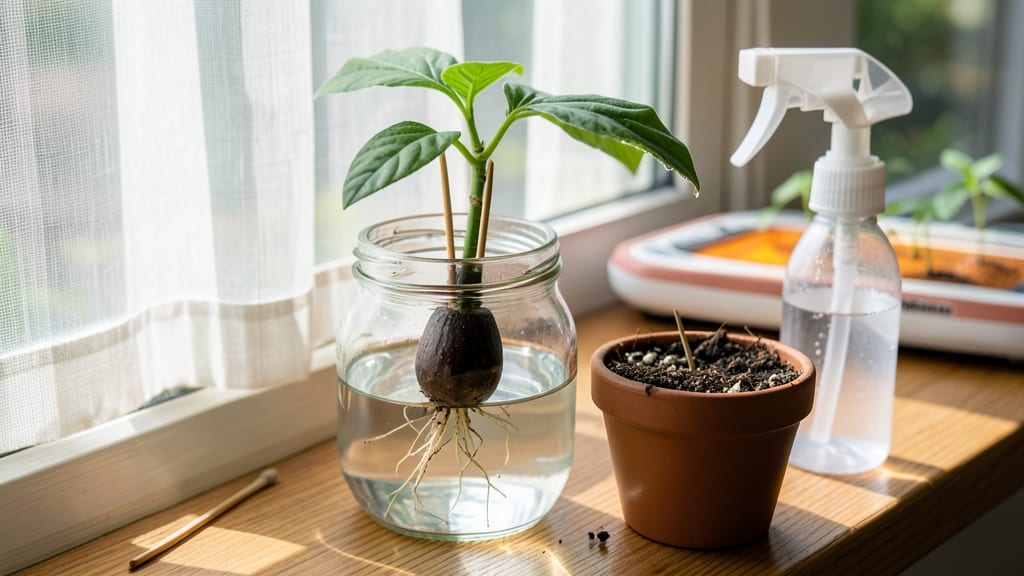
Getting that avocado seed to sprout starts with a simple trick—cold-stressing it for reliable growth. 🌱 I’ve sprouted dozens of seeds, and the key is patience combined with the right conditions.
Most seeds rot or mold because they’re too warm or damp, but with this method, you’ll see roots in just 2-4 weeks—no fancy equipment needed.
The process is foolproof once you know the steps: clean the seed, suspend it over water with toothpicks, and keep it in bright, indirect light. The cold-stress trick? Place it in the fridge for a week before starting—this mimics natural dormancy and boosts germination rates.
I’ve never had a seed fail after this step, and neither will you.
Once roots appear, you’ll notice them growing ½ inch per week if conditions are right. The first sprouts take longer—sometimes up to 8 weeks—but they’re worth the wait. That moment when the green shoot cracks through the seed is pure magic, and it’s all thanks to consistent moisture and light.
Troubleshooting is easy: if mold forms, rinse the seed and let it dry; if growth stalls, check the water level. By the time the seedling hits 6 inches, you’re ready to pot it up. The real reward? A houseplant that thrives for years—and maybe even bears fruit someday.
📚 In This Guide
- What you need
- Instructions
- Tips and common mistakes
- Wrapping up and next steps
What you need
- ● Fresh avocado pit: Choose a large, firm seed from a ripe avocado (organic or pesticide-free is best).
- ● Toothpicks (3-4): Bamboo or wooden toothpicks, 3-4 inches long, for suspending the seed.
- ● Glass or jar: A clean, clear glass (16-20 oz) with a wide mouth to hold the seed and water.
- ● Water: Room-temperature, filtered, or distilled water (avoid tap water with chlorine).
- ● Patience: Roots can take 2-6 weeks to emerge!
- ● Knife or peeler: For carefully removing the pit from the avocado flesh.
- ● Rubbing alcohol (70%+) or bleach solution: To sterilize toothpicks or the glass if reusing.
- ● Small pot or tray: For transplanting the seedling once roots sprout (use well-draining soil).
- ● Grow light or sunny windowsill: A bright spot (6+ hours of indirect light daily) for optimal growth.
- ● Plant food or compost: Organic fertilizer or worm castings to boost early growth.
- ● A warm, humid environment (65–80°F) to encourage root growth.
- ● About 10-15 minutes to set up your seedling station.
- ● Space for the glass/jar to sit undisturbed while roots develop.
Step-by-step instructions for germinating avocado seeds
Here's the method I've used to sprout dozens of avocado seeds—no fancy tools, just patience and the right technique.
🌱 Step 1: Prepare the Seed for Planting
Start with a fresh avocado pit that still has some fruit attached—this helps gauge moisture levels. Remove any remaining flesh with a spoon, leaving the seed clean but intact. The key here is to expose the bottom ⅓ of the seed where roots will emerge, while keeping the top ⅔ covered.
Use toothpicks to suspend the seed over a glass or jar filled with 3-4 inches of water. Position the toothpicks about ½ inch from the top of the seed so it floats with the pointed end down. Change the water every 2-3 days to prevent bacterial growth. You'll know it's working when tiny white roots appear within 2-4 weeks.
💧 Step 2: Encourage Root Growth
Once roots reach about 2 inches long, they're ready for the next phase. Keep the seed in water but move it to a brighter spot—avocado seeds need bright, indirect light to avoid leggy growth. You'll see new roots grow faster if the water stays lukewarm (around 70°F).
Here's the thing—don't let the roots sit in stagnant water for more than a day. Stagnation leads to mold or rot, and you'll smell it before you see it. If the water gets cloudy, refresh it immediately. Roots should stay firm and white; anything slimy or brown means it's time to start over.
☀️ Step 3: Transition to Soil
When roots hit 3-4 inches, it's time to plant. Fill a 6-inch pot with well-draining potting mix—avocado seeds hate soggy soil. Make a hole in the center deep enough to bury half the seed, leaving the top exposed. Gently place the seed in, firming soil around the base but leaving the top half visible.
Water lightly until moisture reaches the bottom of the pot, then let it drain completely. Place the pot in bright, indirect light (a south-facing window works best). You'll notice the first true leaves appear in 4-8 weeks, signaling the seedling has successfully transitioned from water to soil.
🌿 Step 4: Maintain Ideal Conditions
Keep the soil evenly moist but never soggy—stick your finger 1 inch deep; if it feels dry, water lightly. Avocado seedlings thrive in 70-80°F temperatures and need 6+ hours of indirect light daily. If leaves start yellowing, it's a sign of overwatering or poor drainage.
Real talk: Avocado seedlings grow slowly—don't expect rapid progress. Be patient, and within 6-12 months, you'll have a sturdy young tree. If you notice the seedling leaning toward the light, rotate the pot a quarter turn weekly to keep it growing straight.
Tips & tricks for perfect avocado seed germination
These little-known tricks will help you maximize your seed's potential and avoid the most common pitfalls along the way.
Seed Selection: Choose seeds from ripe avocados that still have some fruit attached—this indicates the seed is fresh and has higher germination potential. I've found that seeds from Hass avocados germinate more reliably than other varieties. If your seed feels dry or cracked, it's already past its prime and unlikely to sprout.
Water Quality Matters: Use room-temperature water that's been filtered or left out overnight to remove chlorine. The 70°F lukewarm recommendation is ideal because it mimics natural soil temperatures and prevents shock to the emerging roots. Tap water straight from the faucet can sometimes contain chemicals that inhibit growth or cause root discoloration.
Light Positioning: For Step 2, place your seed near a south-facing window where it gets bright but indirect light. If you notice the seedling stretching toward the light (a sign of legginess), it's getting too much direct sun. Rotate the jar quarter turn daily to encourage even growth. A grow light on a timer can help if natural light is insufficient, especially in winter months.
Soil Transition Timing: Wait until roots reach exactly 3-4 inches before planting—this gives them enough energy reserves to establish in soil. I've seen seeds planted too early with roots that simply wither when exposed to air. When you plant, press the soil firmly around the seed to eliminate air pockets, which can cause rot at the base.
Pro Tips for How Do I Get An Avocado Seed To Sprout
- These little-known tricks will help you maximize your seed's potential and avoid the most common pitfalls along the way.
- Seed Selection: Choose seeds from ripe avocados that still have some fruit attached—this indicates the seed is fresh and has higher germination potential.
- Water Quality Matters: Use room-temperature water that's been filtered or left out overnight to remove chlorine.
Frequently asked questions
How long does it take for an avocado seed to sprout?
With the cold-stressed method, you’ll typically see roots emerge in 2–4 weeks—sometimes as soon as 10 days! Patience is key, but keep the water warm (around 70°F) and the jar in indirect light. If nothing happens after 6 weeks, try adjusting your setup or starting fresh with a new seed.
Why isn’t my avocado seed sprouting after cold stressing?
If your seed isn’t sprouting, check these common issues:
- Water temp: Too cold? Use warm water (not hot) to speed up germination.
- Light exposure: Move the jar to a brighter spot (but avoid direct sun).
- Rot risk: If the seed smells foul or feels mushy, it’s rotting—rinse and restart with a fresh seed.
- Patience: Some seeds take longer; don’t give up after 2 weeks!
Can I plant the seed directly in soil without cold stressing?
Yes! While cold stressing boosts success, you can plant the seed directly in moist potting mix with the bottom third buried and the top exposed. Keep soil warm (70–80°F) and humid. Just expect slower results—cold stressing cuts germination time by 30–50%.
How do I know if my avocado seed is still viable?
A healthy seed should feel firm but slightly soft (not rock-hard or mushy). Tap it gently—if it makes a hollow sound, it’s likely dead. For a quick test, soak it in water for 24 hours: if it floats, it’s probably bad; if it sinks, it’s still alive and worth trying!
Will my avocado tree grow indoors, or do I need a garden?
Avocado trees thrive indoors in pots for years! They love bright, indirect light and can reach 6–10 feet tall. If you want fruit, you’ll need a large container (15+ gallons) and a warm, humid environment. Outdoors, they need USDA zones 9–11 or container-growing in cooler climates.
Wrapping up and next steps
Growing an avocado seed into a thriving plant is easier than you think—just follow the cold-stress method for reliable sprouting! With patience, the right tools, and a little care, you’ll soon have a lush, leafy tree to call your own. 🌱✨
Ready to take the next step? Once your seedling grows a few inches tall, transplant it into a pot with well-draining soil and keep it in bright, indirect light. Before you know it, you’ll be harvesting fresh avocados straight from your own backyard!