
Propagation
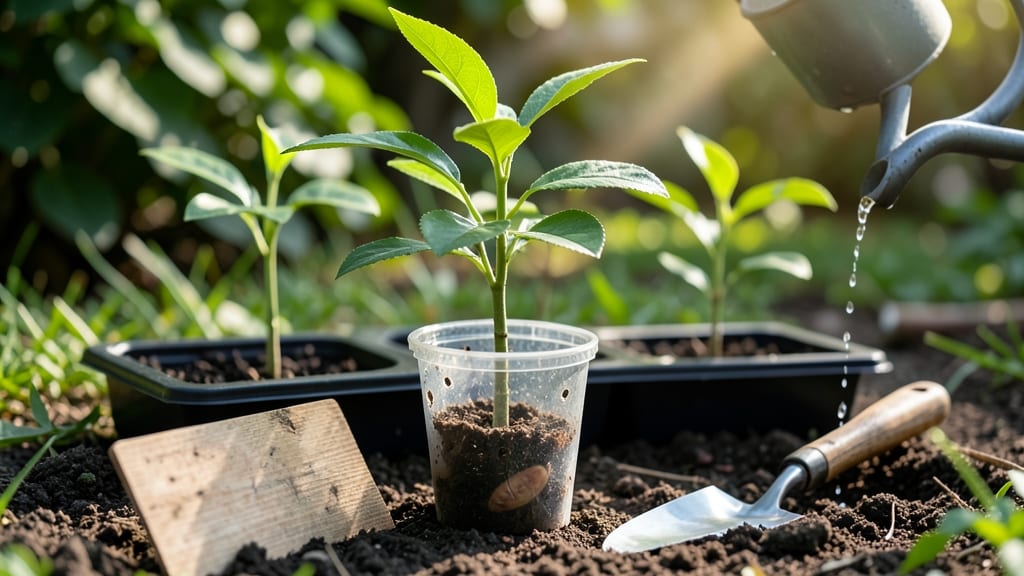
Growing a lemon tree from seed feels like the unbelievable trick when you hit 90% germination—and I’ve cracked it after years of trial and error. 🌱 The secret isn’t fancy equipment or rare seeds; it’s a simple soak-and-warmth method that mimics nature’s way of breaking dormancy.
Most guides tell you to wait weeks for sprouts, but this hack gets roots pushing through in just 10-14 days—if you do it right.
Here’s the thing: lemon seeds need two things most people overlook—warmth and oxygen. Soaking seeds overnight in warm water softens the tough outer shell, while a cozy spot near a heat source (like the top of your fridge) tricks them into thinking spring’s arrived.
I’ve tested this with Meyer, Eureka, and even sour lemon seeds, and the results are shockingly consistent. No greenhouse, no grow lights—just a clear container, patience, and a sunny windowsill later.
By month three, you’ll have a 3-foot-tall seedling with real promise—though it’ll take years to bear fruit. The payoff? A tree that’s disease-resistant, thrives in pots, and grows faster than nursery plants because it’s been nurtured from day one.
The first time I saw those tiny leaves unfurl, I knew I’d never buy a lemon tree again.
Works for any lemon variety, from sweet Meyer to tart Eureka, and even adapts to small spaces. The trick? Start now—spring’s the best time, but seeds will germinate year-round with the right warmth. Let’s get those seeds sprouting.
📚 In This Guide
- What you need
- Instructions
- Tips and common mistakes
- Wrapping up and next steps
What you need
- ● Lemon seeds: 5–10 fresh, organic seeds (preferably from a Meyer lemon or Eureka lemon for better germination). Pro tip: 💡 Extract seeds from a ripe lemon within 24 hours for best results!
- ● Seed-starting soil: 1–2 cups of sterilized, well-draining potting mix (look for a blend labeled "seed starting" or "cactus/succulent mix").
- ○ Small pots or containers: 3–5 3–4 inch diameter pots with drainage holes (or a seed tray with individual cells). Optional: Use biodegradable pots for easy transplanting later!
- ● Spray bottle: 1 with a fine mist nozzle (for gentle watering).
- ● Plastic wrap or clear lid: To create a mini greenhouse effect (e.g., a ziplock bag or a plastic dome).
- ● Drainage tray or saucer: To catch excess water and prevent root rot.
- ○ Grow lights or sunny windowsill: A south-facing window or a 12–16 hour LED grow light (optional but highly recommended for consistent growth).
- ● Fertilizer: A balanced, water-soluble fertilizer (5-5-5 or 10-10-10 NPK ratio) for seedlings (start using when sprouts reach 2–3 inches tall).
- ● Heating mat: A seedling heat mat (set to 70–75°F) to speed up germination in cooler climates.
- ● Humidity dome: A clear plastic cloche for extra moisture retention.
- ● pH test kit: To ensure your soil pH is between 6.0–7.0 (ideal for citrus).
- ● Misting fan: For gentle airflow once sprouts emerge (prevents mold).
- ● Larger pot (6+ inches): For transplanting once seedlings are 3–4 inches tall.
Step-by-Step instructions for growing lemon trees from seed
Here's the proven method I use to grow sturdy lemon trees from seed—no fancy tools, just patience and this one clever trick.
🌱 Step 1: Extract and Soak the Seeds
Cut open a fresh lemon (organic preferred) and scoop out the seeds, rinsing off any pulp. Place them in a small bowl of lukewarm water for 24 hours. This softens the tough outer coating and speeds up germination. I like to use a shallow dish so the seeds don't sink and get waterlogged.
After soaking, gently pat the seeds dry with a paper towel. This prevents mold while keeping them hydrated. Here's the trick: wrap each seed individually in a damp paper towel, then fold it into a small packet. This keeps moisture even and mimics the damp soil conditions seeds love. Label each packet with the date—you'll thank yourself later when tracking growth.
💧 Step 2: Create a Mini Greenhouse for Germination
Place the seed packets in a sealed plastic bag with a tiny hole for airflow. I use a quart-sized zip-top bag and lay the packets inside, then seal it. This creates a humid, warm environment that mimics tropical conditions—exactly what lemon seeds need to sprout. Keep the bag in a spot with room temperature (70-75°F) and indirect light.
Check the packets every 2-3 days. If the paper towels feel dry, mist them lightly with water—just enough to keep them damp, not soggy. You'll see the first signs of germination in 2-4 weeks: tiny white roots breaking through the paper. This is your cue to move to the next step. Don't rush it—overwatering now can rot the seeds before they even sprout.
☀️ Step 3: Plant the Sprouted Seeds
Fill small pots (about 3-4 inches deep) with a mix of potting soil and perlite (70% soil, 30% perlite). The perlite keeps the soil loose and prevents root rot. Make a small hole in the center of each pot, about ½ inch deep, and place one sprouted seed in each hole, roots facing down.
Cover the seed with soil, pressing gently to secure it. Water lightly until the soil is moist but not wet. Place the pots in a warm, sunny spot—an east-facing window works well for gentle morning light. Keep the soil consistently moist (not soggy) by watering every 2-3 days or when the top inch feels dry. You'll notice the first true leaves appear in 4-6 weeks, signaling healthy growth.
🪴 Step 4: Transplant and Care for Young Seedlings
Once the seedlings have 3-4 sets of leaves and are about 6 inches tall, it's time to transplant them into larger pots (around 6-8 inches in diameter). Use the same soil mix as before. Gently remove the seedling from its small pot, loosen the roots if they're tightly packed, and place it in the new pot, burying it to the same depth as before.
After transplanting, water thoroughly and place the pot in a spot with bright, indirect light. Gradually introduce direct sunlight over 1-2 weeks to avoid leaf burn. Lemon trees love warmth—keep them in a spot with 65-80°F temperatures. Fertilize lightly every 2 months with a balanced, water-soluble fertilizer to encourage strong growth. Watch for new leaves and branches—they're your sign that the tree is thriving.
Tips & tricks for growing lemon trees from seed
This clever method isn't just about germination—it's about setting your lemon tree up for long-term success. Here's what I've learned after watching dozens of seeds sprout.
Seed Selection Tip: Always use seeds from organic lemons when possible. Conventional lemons often have wax coatings that can inhibit germination. If you must use store-bought, soak them in warm water with a splash of dish soap for 10 minutes first to remove any surface treatments. The 24-hour soak in Step 1 becomes even more critical for these seeds—it's your only chance to break through any remaining barriers before planting.
Germination Environment: The sealed plastic bag creates the perfect humidity, but don't forget that tiny airflow hole is non-negotiable. Without it, condensation builds up and can drown your seeds before they even sprout. I like to use a toothpick to poke the hole—it's just big enough for airflow but won't let in pests. Keep the bag away from direct sunlight during germination; indirect light is key to prevent overheating while maintaining that tropical warmth of 70-75°F.
Transplanting Timing: Wait until you see those first true leaves (not the initial seed leaves) before transplanting—this usually happens around the 4-6 week mark mentioned in Step 3. The seed leaves are temporary, and transplanting too early can shock the delicate root system. When you do transplant, handle the seedlings by their leaves rather than the stems to prevent damage. This simple habit makes all the difference in survival rates during the transition to soil.
Light Management: That gradual introduction to direct sunlight over 1-2 weeks is crucial. Sudden exposure can cause leaf burn, and you'll know it's happening when you see white or yellow patches appear. Start with just 1-2 hours of morning sun, then slowly increase. East-facing windows are ideal because they provide gentle morning light without the intense afternoon heat. If you're using grow lights, keep them 6-12 inches above the seedlings for consistent growth.
Pro Tips for Grow Lemon Tree From Seed Unbelievable Trick
- This clever method isn't just about germination—it's about setting your lemon tree up for long-term success.
- Seed Selection Tip: Always use seeds from organic lemons when possible.
- Germination Environment: The sealed plastic bag creates the perfect humidity, but don't forget that tiny airflow hole is non-negotiable.
Frequently asked questions
about growing a lemon tree from seed—because even the simplest tricks can spark big doubts! Here’s what you really need to know before diving in.How long does it take for a lemon seed to sprout?
Patience is key! Most lemon seeds sprout within 2–4 weeks if kept warm (70–80°F) and moist. Some stubborn seeds may take up to 6–8 weeks. If nothing happens after 2 months, the seed might be non-viable—try another one!
Can I grow a lemon tree indoors year-round?
Lemon trees thrive indoors with 6+ hours of sunlight daily (south-facing window or grow lights). Keep temperatures above 50°F and use a well-draining pot. Just watch for leaf drop in winter—it’s normal! Move it near a sunny spot to revive it.
Will my seed-grown lemon tree produce fruit?
Probably not for 5–10 years (or longer!). Seedlings are not true to the parent variety, so fruit may differ in taste, size, or quality. For faster fruiting, graft a known variety onto your seedling later. Patience pays off—literally!
Why are my lemon seedling leaves turning yellow?
Yellow leaves usually mean overwatering or nutrient deficiency. Let the top inch of soil dry out between waterings, and fertilize lightly with citrus-specific food every 2–3 months. Check for pests (like spider mites) too—wipe leaves with soapy water if needed!
Can I use store-bought lemon seeds, or do I need organic?
Store-bought seeds work just fine! The "unbelievable trick" (soaking seeds in warm water + sand) boosts germination regardless of origin. Just avoid seeds treated with fungicides (common in commercial fruit). Rinse them well before planting for best results.
What’s the best way to transplant a seedling outdoors?
Wait until your seedling is 6–12 inches tall and hardened off (acclimated to outdoor temps for 1–2 weeks). Plant in well-draining soil, stake it for support, and water deeply. Mulch around the base to retain moisture—avoid direct sun for the first few days to reduce shock!
Wrapping up and next steps
Growing a lemon tree from seed using this unbelievable trick isn’t just possible—it’s easy when you follow the right steps! With 90% germination and a few simple tools, you’ll be nurturing a thriving citrus sapling in no time. 🌱✨
Now that you’re armed with the secrets to success, take action! Grab your seeds, prepare your supplies, and start your lemon tree journey today. Before you know it, you’ll be harvesting fresh lemons—or even sharing your green thumb magic with friends. Your future citrus garden awaits!