
Propagation
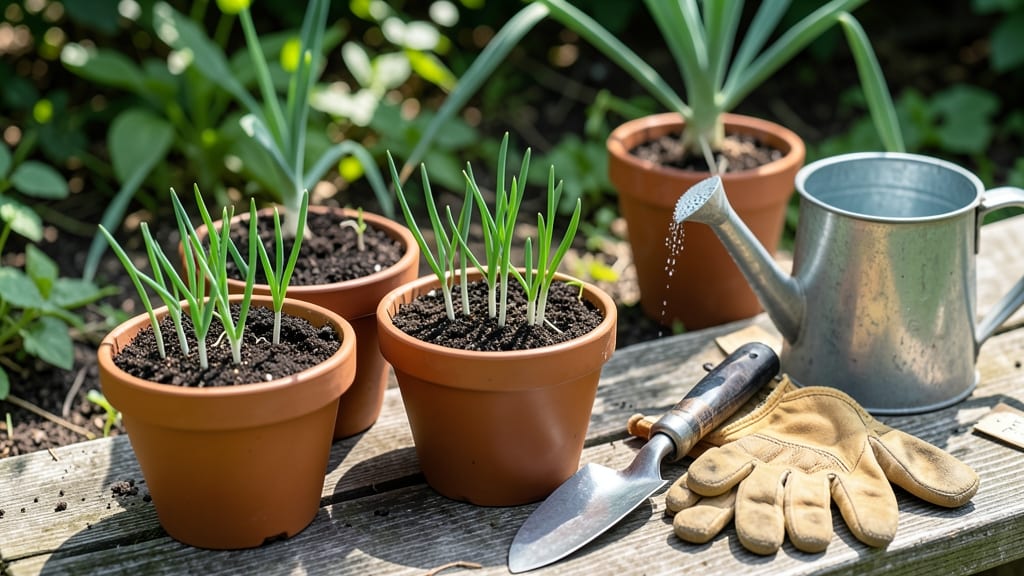
Growing onions from seed in pots isn’t just possible—it’s the secret to fresh, homegrown harvests even in tiny spaces. 🌱 I’ve turned my balcony into a mini onion farm, and the key is starting with the right seed varieties and containers.
Short-day onions like ‘Texas Early White’ or ‘Yellow Granex’ thrive in pots, while long-day types need longer growing seasons. The magic happens in just 12 weeks, with green onions ready in half that time.
You’ll need shallow pots (6 inches deep) with drainage holes, well-draining potting mix, and patience—because onions grow slowly at first. The trick is keeping soil consistently moist but not soggy, and giving them at least 6-8 hours of sunlight daily.
I swear by a mix of 60% potting soil and 40% compost to give those seedlings the nutrients they crave. No fancy equipment required—just a sunny spot and a watering can.
By midseason, you’ll be snipping green onions like they’re growing on demand, and by harvest time, you’ll pull mature bulbs that outshine anything from the store. The best part? You can replant the same pots for another crop, making this a space-saving powerhouse.
Even my black thumb managed to grow onions this way—once you get the rhythm, it’s impossible to mess up.
Whether you’re growing for fresh cooking or storing bulbs, this method works for any climate. The only real mistake is starting too late—so grab those seeds now and watch your pots transform into a steady supply of homegrown goodness. Ready to turn your windowsill into an onion factory?
📚 In This Guide
- What you need
- Instructions
- Tips and common mistakes
- Wrapping up and next steps
What you need
- ● Onion seeds: Choose a variety suited for your climate (e.g., Yellow Sweet Spanish or Red Baron). Aim for 1 packet (500–1,000 seeds) to fill a 12-inch pot.
- ○ Containers: 1–2 12-inch diameter pots (with drainage holes) per onion plant. Optional: Use shallow trays (6–8 inches deep) for early germination.
- ● Seed-starting trays (if sowing indoors first).
- ● Potting mix: 1 bag (5–10 quarts) of well-draining, sterile mix (e.g., 50% peat moss, 30% perlite, 20% compost). Avoid garden soil—it’s too dense!
- ● Drainage material: Pebbles or broken pottery shards (1–2 inches) for the pot’s bottom layer.
- ● Watering can or spray bottle: With a fine rose nozzle to avoid disturbing seeds.
- ● Fertilizer: Balanced liquid fertilizer (e.g., 10-10-10) for early growth.
- ● Low-nitrogen fertilizer (e.g., 5-10-10) once bulbs start forming.
- ● Grow lights or sunny windowsill: If starting indoors (12–16 hours of light/day).
- ○ Twine or plant ties: (Optional) To support tall varieties in windy conditions.
- ● Seedling heat mat (if your home is chilly—speeds up germination).
- ● Mulch (e.g., straw) to retain moisture and suppress weeds.
- ● pH test kit (ideal soil pH: 6.0–7.0 for onions).
- ● Label markers to track varieties and planting dates.
Step-by-Step instructions for growing onions from seed in pots
Here's how I turn tiny onion seeds into full-sized bulbs in containers—no fancy tools needed.
🌱 Step 1: Prepare Your Containers and Soil Mix
Use 4-inch diameter pots for each onion plant—this gives roots room to grow without crowding. Fill each pot with a mix of 50% potting soil and 50% perlite (this improves drainage, which onions hate). I like to add a handful of compost to each pot for extra nutrients.
Moisten the mix until it feels like a damp sponge—not dripping, but holding together when squeezed. Press it down lightly so the surface is firm. Onions need stable soil to anchor their long roots, so avoid loose, airy mixes that might shift when you water.
🌱 Step 2: Sow Seeds at the Right Depth and Spacing
Plant 2-3 seeds per pot at a depth of ¼ inch—just barely covering them. Onion seeds are tiny, so I use a toothpick to make small holes and place them one by one. Space seeds 1 inch apart if planting multiple in a larger container.
Cover lightly with soil and mist gently with water until the surface looks evenly damp. Don’t water from above once seeds are planted—it can wash them too deep. Instead, water at the base or use a spray bottle for precision. Keep the soil consistently moist (but not soggy) until germination, which takes 10-21 days.
☀️ Step 3: Provide Bright Light and Cool Temperatures
Onion seeds need bright light (6+ hours daily) to germinate. A south-facing windowsill works, but I supplement with a grow light if natural light is weak. Keep the pots in a spot where temperatures stay between 60-70°F—too hot, and seeds may rot before sprouting.
Once seedlings emerge, thin to the strongest one per pot. If you planted multiple seeds, snip the weaker sprouts at the soil line with scissors. You’ll know you’ve got it right when the remaining seedling has 2-3 true leaves (the first leaves are just cotyledons—the real leaves come after).
💧 Step 4: Water and Fertilize for Strong Growth
Water when the top inch of soil feels dry, but avoid letting pots sit in water. Onions rot easily if their roots stay wet. I water at the base to keep leaves dry, which prevents fungal diseases. Use room-temperature water—cold water can shock the roots.
After 4 weeks, start fertilizing with a balanced 10-10-10 liquid fertilizer every 2 weeks. Dilute it to half-strength to avoid burning tender roots. You’ll see strong, upright growth when you’re doing it right—leggy or yellowing leaves mean it’s time to adjust light or water.
✂️ Step 5: Thin and Harvest for Bulbs
By 8-10 weeks, onions will form small bulbs at the base. If you’re growing for green onions, snip leaves as needed. For full bulbs, stop watering 2 weeks before harvest to let the neck dry out and the bulb firm up. You’ll know they’re ready when the tops yellow and flop over.
Gently dig up bulbs with a fork, being careful not to puncture them. Lay them in a dry, shady spot to cure for 1-2 weeks before storing. Properly cured onions keep for months in a cool, dark place.
Tips & tricks for growing onions from seed in pots
These practical tips will help you avoid common pitfalls and maximize your container-grown onion harvest.
Soil Stability Tip: After pressing down your soil mix in Step 1, I recommend tapping the sides of each pot gently to eliminate air pockets. Onions develop long, delicate roots that need consistent contact with soil—any gaps can cause uneven growth or even root rot. Think of it like settling a cake batter before baking: firm but not compacted.
Germination Secret: The 10-21 day germination window can feel like an eternity, but there's a trick to speed things along. Place your pots in a clear plastic bag after planting and seal loosely—this creates a mini greenhouse effect that retains moisture and warmth. Just remember to remove the bag once you see sprouts to prevent mold.
Light Strategy: For that critical 6+ hours of daily light in Step 3, position your pots on a rotating tray if possible. Rotate them ¼ turn every day so all sides get equal light exposure. This prevents lopsided growth where plants lean toward the light source. I've seen seedlings grow 30% straighter using this simple rotation technique.
Harvesting Hack: When you stop watering 2 weeks before harvest in Step 5, I suggest moving your pots to a slightly cooler spot (around 65°F) if your climate is warm. This slower drying process helps develop sweeter, more concentrated flavors in your bulbs. The neck will naturally toughen as it dries, making storage onions that last months.
Pro Tips for Grow Onions From Seed In Pots
- These practical tips will help you avoid common pitfalls and maximize your container-grown onion harvest.
- Soil Stability Tip: After pressing down your soil mix in Step 1, I recommend tapping the sides of each pot gently to eliminate air pockets.
- Germination Secret: The 10-21 day germination window can feel like an eternity, but there's a trick to speed things along.
Frequently asked questions
Got questions about growing onions from seed in pots? You’re not alone! Here are some of the most common queries—and their answers—to help you grow like a pro.
Can I grow onions from seed in small pots?
Yes! Onions thrive in pots as long as they’re at least 6–8 inches deep and 12 inches wide per plant (or cluster if growing in groups). Use well-draining soil, and avoid overcrowding—space seedlings 2–3 inches apart to prevent competition. Smaller pots work for green onions, but bulbing varieties need room to swell.
How long does it take for onion seeds to germinate?
Onion seeds typically germinate in 7–21 days, depending on temperature and moisture. Keep the soil consistently moist (not soggy) and maintain a warm environment (around 60–70°F). Patience is key—some seeds may take longer, especially in cooler conditions. A heat mat can speed up germination if your space is chilly!
What’s the best temperature for growing onions in pots?
Onions prefer cool to moderate temperatures—ideal day temps are 60–75°F, while nights should stay above 50°F. Avoid heatwaves (above 85°F) or frost (below 40°F), as both can stress plants. If you’re in a hot climate, opt for short-day onion varieties or grow them in partial shade to prevent bolting (flowering prematurely).
Can I use onion sets or bulbs instead of seeds?
Onion sets (small bulbs) or transplants are easier for beginners and mature faster. Simply plant them 1 inch deep in pots, spacing them 3–4 inches apart. Sets are a great shortcut if you’re short on time or patience. However, growing from seed gives you more variety choices and can be more rewarding (and cost-effective) for experienced growers.
What should I do if my onion plants get yellow leaves?
Yellow leaves usually signal overwatering, nutrient deficiency, or pests. First, check the soil—it should be moist but not waterlogged. If leaves are pale yellow, your onions may need more nitrogen (use a balanced fertilizer). For brown spots or chewed leaves, inspect for onion flies or aphids and treat with neem oil or insecticidal soap. If only the lower leaves yellow, it’s often natural aging—focus on keeping the upper foliage healthy!
How do I know when my potted onions are ready to harvest?
For green onions, snip stems when they’re 8–12 inches tall—they’ll regrow! For bulbing onions, wait until 50–60% of the tops yellow and flop over (usually 100–120 days after planting). Gently pull them from the pot, let them dry in a shady, well-ventilated area for 1–2 weeks, then trim and store in a cool, dark place.
Wrapping up and next steps
Growing onions from seed in pots is a rewarding journey that proves even small spaces can yield big flavors! 🌱 With the right containers, soil, and care, you’ll harvest fresh, homegrown onions in just 12 weeks—no green thumb required.
Whether you’re a beginner or a seasoned gardener, this method saves money, reduces waste, and delivers the sweetest, crispest onions straight to your kitchen.
Now that you’re armed with tips and answers, it’s time to roll up your sleeves and plant those seeds! Start small with a few pots, experiment with varieties, and soon you’ll be sharing your harvest with friends—or bragging about your zero-waste pantry staples. Happy growing! 🌟