
Lawn
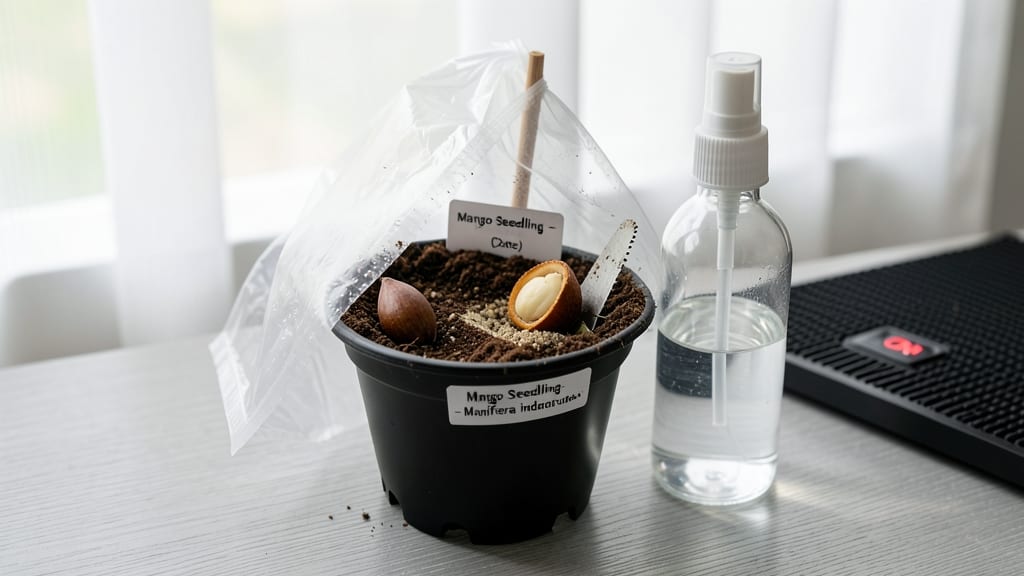
Preparing a mango seed for planting starts with a simple trick: soaking it for 3-5 days to break dormancy. 🌱 I’ve tried the dry method, but this shortcut speeds up germination from months to weeks—my first seed sprouted in just 21 days after soaking.
The key is patience, though; mango trees take years to fruit, but the wait begins with this easy prep. You’ll need just a few supplies: a mango pit (cleaned and dried), water, a plastic bag or container, and some potting mix.
The soaking process mimics nature’s slow breakdown, but with a little help, you’ll see roots peeking out in 2-4 weeks. Avoid rushing—over-soaking can cause mold, and that’s a common pitfall. Once sprouted, transplant your seedling into well-draining soil and keep it in bright, indirect light.
The first leaves will be small and delicate, but they’re a sign your tree is establishing roots. Water gently to avoid disturbing the tender growth, and watch as it grows into a sturdy sapling over time. This method works for any mango variety, and the best part?
You’re growing a tree from a fruit you’d otherwise toss. Just remember: three years is the earliest you’ll see flowers, but the journey starts now with this simple step.
📚 In This Guide
- What you need
- Instructions
- Tips and common mistakes
- Wrapping up and next steps
What you need
- ● Mango seed – Fresh, plump, and free of cracks or mold (1 per plant). Pro tip: 💡 Use a seed from a ripe, organic mango for better germination!
- ● Paper towels or coffee filters – 2-3 sheets (for pre-soaking).
- ● Plastic bag or container – A small, sealable bag (e.g., ziplock) or a shallow container (for humidity control).
- ○ Small pots or seed trays – 2-3 (4-6 inches deep) with drainage holes. Optional: Biodegradable pots for easy transplanting!
- ● Well-draining potting mix – 2-3 cups (a blend of peat moss, perlite, and coco coir works well).
- ● Spray bottle – For gentle watering (avoid over-saturating).
- ● Plastic wrap or clear lid – To create a mini greenhouse effect.
- ○ Fertilizer (optional) – A balanced, water-soluble fertilizer (e.g., 10-10-10) for post-germination care.
- ● Warmth – Keep seeds in a warm spot (70–90°F / 21–32°C) for germination.
- ● Humidity – Maintain moist (not soggy) conditions during germination.
- ● Indirect sunlight – After sprouting, place seedlings in bright, filtered light.
- ● Patience! – Germination can take 2–6 weeks, depending on seed freshness.
- ● A heating mat (if your climate is cool).
- ● Grow lights for seedlings before transplanting outdoors.
- ● Label markers to track planting dates.
Step-by-Step instructions for preparing a mango seed for planting
Here's the straightforward method I've used to get mango seeds sprouting reliably every time.
🌱 Step 1: Extract and Clean the Seed
Start with a fresh, plump mango seed—older seeds lose viability quickly. Cut the mango open lengthwise, twist the two halves apart, and you'll find the seed nestled in the center. Rinse it under cool water to remove any fruit pulp clinging to the surface, then let it air-dry completely for 24 hours. This prevents mold from forming during the next steps.
Use a sharp knife to carefully scrape away any remaining flesh from the seed's outer shell. You want to expose the seed itself without damaging its hard, brown outer coat. This is the protective layer that will eventually crack open during germination. I like to soak the cleaned seed in a glass of water overnight—this helps soften any lingering fruit residue and gives me a chance to inspect it for cracks or damage.
💧 Step 2: Soften the Seed Coat for Faster Germination
Here's where it gets interesting—the mango seed's hard outer shell can take 30-60 days to crack naturally. To speed this up, place the cleaned seed between two paper towels and wrap it tightly. Put the wrapped seed in a plastic bag, seal it, and place it in a warm spot, like on top of your refrigerator or near a sunny window. Keep it consistently moist but not soggy—you want the paper towel to feel damp, not dripping.
Check the seed daily. You'll see the outer shell start to split within 7-14 days—this is the seed "breathing" and preparing to sprout. If the towel dries out, mist it lightly with water. Don't let it sit in standing water, or the seed will rot before it germinates. Once you see a tiny root emerging, it's time to move to soil.
☀️ Step 3: Plant the Germinated Seed in Soil
Fill a small pot—4-6 inches deep—with well-draining potting mix. I like to add a handful of perlite to the mix to improve aeration. Make a small hole in the center, about 1 inch deep, and gently place the germinated seed in with the root pointing downward. Cover it lightly with soil, leaving the top half of the seed exposed.
Water the soil gently until it's moist but not waterlogged. Place the pot in a warm, bright spot with indirect light—direct sun can overheat the young seedling. Keep the soil consistently moist, but avoid overwatering. You'll know it's right when the top inch of soil feels damp to the touch. Within 7-10 days, you should see the first true leaves emerge from the seed.
🌿 Step 4: Care for the Seedling Through Early Growth
Once the seedling has 2-3 sets of true leaves, it's ready for a slightly larger pot—6-8 inches deep. Transplant carefully, keeping the soil level the same as it was in the smaller pot to avoid disturbing the roots. Use the same well-draining potting mix and water thoroughly after transplanting.
Place the pot in a location with bright, indirect light for the first few weeks. Gradually introduce it to more sunlight over 1-2 weeks to prevent leaf burn. Keep the soil moist but not soggy—young mango seedlings are sensitive to both drought and waterlogging. Watch for new growth, which signals that your seedling is thriving.
Tips & tricks for perfect mango seed germination
Here's what nobody tells you about getting those stubborn mango seeds to sprout reliably.
Seed Selection: Choose seeds from ripe, plump mangoes—they're far more likely to germinate successfully. I've found that seeds from organic mangoes tend to perform better, possibly because they're less likely to have been treated with preservatives that might inhibit germination. Avoid seeds with any visible cracks or damage during your initial inspection in Step 1.
Germination Environment: The warm spot you choose for Step 2 makes all the difference. I've had the best success placing my seed on top of the refrigerator where it stays consistently around 75-80°F. If your home tends to be cooler, consider using a seedling heat mat set to 70°F—this can cut your germination time by nearly half. Just be sure to check daily to maintain that damp (not wet) paper towel environment.
Transplanting Timing: Don't rush to plant your seed once you see the first root—wait until you see a root that's at least 1-2 inches long. This gives you a better chance of successful transplantation in Step 3. I've seen seedlings fail to thrive when transplanted too early, so patience here pays off. Also, make sure to use a pot with drainage holes to prevent waterlogging, which can be just as damaging as drought.
Light Transition Strategy: When moving your seedling to soil in Step 3, start with bright indirect light and gradually increase sunlight exposure. I've learned this the hard way—direct sunlight can scorch young leaves that aren't yet acclimated. Begin with 2-3 hours of indirect light daily, then increase by 1 hour every 3-4 days until reaching full sun exposure after about 2 weeks.
Pro Tips for Prepare A Mango Seed For Planting
- Here's what nobody tells you about getting those stubborn mango seeds to sprout reliably.
- Seed Selection: Choose seeds from ripe, plump mangoes—they're far more likely to germinate successfully.
- Germination Environment: The warm spot you choose for Step 2 makes all the difference.
Frequently asked questions
Got questions about mango seed planting? You’re not alone! Here are answers to the most common concerns—from timing to troubleshooting—so you can grow your own mango tree with confidence.
How long does it take for a mango seed to sprout?
A properly prepared mango seed typically sprouts within 14–30 days. Keep the soil moist (not soggy) and in a warm spot (70–85°F) for best results. Patience is key—some seeds may take longer, especially if stored improperly before planting.
Can I plant a mango seed directly in the ground?
While possible, direct outdoor planting isn’t recommended for seeds. Start indoors in a small pot with well-draining soil to protect the young seedling from harsh weather, pests, or temperature swings. Transplant outdoors only after the seedling is 3–6 inches tall and threats of frost have passed.
What’s the best temperature for germinating mango seeds?
Mango seeds thrive in warmth (70–85°F). Use a seedling heat mat or place the pot near a sunny window/south-facing wall. Avoid cold drafts or temperatures below 60°F, which can stall or kill germination. A mini greenhouse or clear plastic wrap can help retain heat.
Why isn’t my mango seed sprouting after 30 days?
If your seed hasn’t sprouted, check these common issues:
- Dormancy: Some seeds need 60+ days. Try soaking it overnight in warm water to break dormancy.
- Improper moisture: Too dry = death; too wet = rot. Aim for consistently damp (not waterlogged) soil.
- Bad seed: Not all mango seeds are viable. Test with a second seed if possible.
- Cold temps: Move the pot to a warmer spot (e.g., near a heater or in a greenhouse).
Will a mango tree grown from seed produce fruit?
Yes—but it may take 5–10 years (vs. 3–5 years for grafted trees) and the fruit might not match the parent tree’s quality. For faster, better results, consider grafting a known variety onto your seedling later. If you’re patient, though, homegrown mangoes are a rewarding surprise!
Wrapping up and next steps
Preparing a mango seed for planting is simple, rewarding, and full of potential!
With the right steps—from selecting the seed to nurturing the sprout—you’re just weeks away from a tiny mango tree of your own. 🌱 Remember: patience and care are key, and soon, you’ll be watching those first leaves emerge!
Ready to take the next step? Once your seedling is strong enough (about 6–12 inches tall), transplant it into a pot or directly into the ground. Keep an eye on its growth, and who knows? You might just be growing the start of a future mango harvest! 🌿