
Lawn
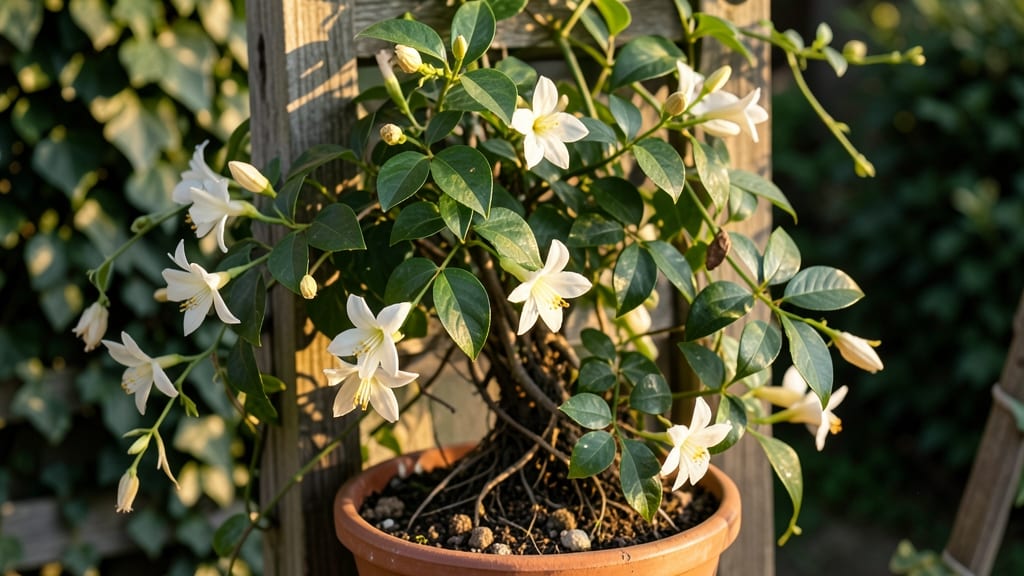
Harvesting jasmine seed pods before they split is the secret to saving those fragrant seeds for next year. 🌿 I’ve learned the hard way—wait too long, and the pods twist open, scattering seeds everywhere.
But with the right timing and a little care, you can collect viable seeds that’ll grow into your own fragrant climbers.
The key is patience and precision. Once the pods turn brown but stay firm (usually late summer to early fall), gently twist them off the vine—don’t yank, or you’ll damage the plant. Then, crack them open to reveal the flat, dark seeds inside.
Store them in a cool, dry place until planting season, and you’ll be ready to grow new jasmine vines in just a few months.
When it’s time to plant, soak the seeds overnight to soften their tough outer shell. Then, tuck them just beneath the soil in a well-draining mix, keeping them moist but not soggy.
With the right conditions—warmth, indirect light, and consistent moisture—you’ll see those first tender shoots in about 2-4 weeks.
This method works for both Jasminum officinale (common jasmine) and Jasminum sambac (Arabian jasmine), though sambac seeds germinate slightly faster. Whether you’re growing for fragrance, shade, or beauty, these saved seeds will give you a head start on next year’s garden—no store-bought plants needed.
📚 In This Guide
- What you need
- Instructions
- Tips and common mistakes
- Wrapping up and next steps
What you need
- ● Mature jasmine seed pods (harvested from healthy, fully ripe plants—look for brown, papery pods). Quantity: 1–2 cups (adjust based on your project scale).
- ● Pruning shears or sharp scissors (sterilized with rubbing alcohol for hygiene).
- ● Paper bags or breathable fabric sacks (for initial drying—size: large enough to hold pods loosely).
- ○ Paper towels or silica gel packets (optional but recommended for faster drying).
- ● Air-tight glass jars or resealable plastic bags (with oxygen absorbers for long-term storage).
- ○ Kitchen scale (optional, for precise seed pod measurements).
- ● Small paintbrush or soft-bristle brush (to gently dislodge seeds from pods).
- ● Fine-mesh strainer or sifter (for separating seeds from chaff).
- ● Labeling tape and markers (to tag jars with harvest dates).
- ● Dry, well-ventilated space (indoors or outdoors, away from direct sunlight and humidity—ideal temp: 60–75°F).
- ● Low-humidity area (dehumidifier or fan can help speed up drying if needed).
- ● Food dehydrator (for accelerated drying—set to 95°F for 12–24 hours).
- ● Oven (low heat) (alternative drying method: 170°F for 1–2 hours, door slightly ajar).
- ● Desiccant packets (to further reduce moisture in storage containers).
- ● Glove box or seed storage kit (for serious gardeners preserving large quantities).
Step-by-Step instructions for harvesting jasmine seed pods safely
Here’s how to collect jasmine seeds without damaging the pods—and keep them viable for months.
🌱 Step 1: Identify Mature Seed Pods
Wait until the pods turn deep brown and feel slightly papery when touched. Green or firm pods won’t open naturally—you’ll need to wait. I check mine weekly in late summer, running my fingers along the stems to feel for the telltale dryness. Overripe pods split open on their own, spilling seeds everywhere, so act fast once they’re ready.
Harvest on a dry, sunny morning when the pods are fully dry. Humidity makes them stick to your hands and can cause mold. If you’re unsure, cut a pod open—if the seeds inside are dark brown and hard, they’re ready. Soft or light-colored seeds won’t survive storage.
🌿 Step 2: Twist Off Pods Without Breaking Them
Grasp the pod just below the stem with your thumb and forefinger, leaving about ½ inch of stem attached. Twist gently but firmly—you’ll hear a soft pop when it separates cleanly. If the pod resists or the stem snaps, you’re pulling too hard. I like to use a small pair of pruning shears for stubborn stems, cutting ¼ inch above the pod to avoid crushing it.
Place the pods in a paper bag (not plastic—it traps moisture) and let them air-dry for 24 hours in a warm, shaded spot. This prevents condensation from forming inside the bag, which can rot the seeds. If your climate is humid, extend drying to 48 hours or use a fan on low to circulate air.
✂️ Step 3: Crack Open and Extract Seeds
Lay the dried pods on a clean towel or tray and gently press the sides with your thumbs until they split open. Don’t squeeze—they’ll shatter into useless fragments. You’ll see flat, brown seeds inside; discard any that look shriveled or discolored. I use a small spoon to scoop out the seeds, tapping the pod lightly to release them without force.
Spread the seeds on a paper towel in a single layer and let them dry for another 24 hours. This final drying step ensures they won’t mold in storage. If you’re in a hurry, place them in a single layer on a baking sheet at the lowest oven setting (150°F) for 10 minutes, then cool completely. Just don’t skip this—damp seeds won’t last.
🪴 Step 4: Store Seeds for Long-Term Viability
Transfer the dried seeds into a small envelope or airtight container with a desiccant packet (like those for electronics). Label it with the date and jasmine variety—seeds stay viable for 2-3 years if stored properly. I keep mine in the fridge’s crisper drawer, where the cool, dry air preserves them best.
Check the seeds monthly for signs of moisture or pests. If you see condensation inside the container or a musty smell, spread them out to dry again. Properly stored seeds should look matte and dry—never shiny or sticky. When ready to plant, soak them in lukewarm water for 12 hours to soften the outer coating before sowing.
⏰ Step 5: Plant Seeds for Germination
Fill 2-inch pots with sterile seed-starting mix, moisten it until damp (not soggy), and plant 2-3 seeds per pot at a depth of ¼ inch. Cover lightly with a sprinkle of mix and mist the surface with water. Place the pots in a warm spot (70-75°F)—a seedling heat mat speeds up germination. Expect sprouts in 2-4 weeks, though some varieties take longer.
Once seedlings appear, move them to bright, indirect light and keep the soil evenly moist. Avoid overwatering—jasmine seeds rot easily in damp conditions. When the first true leaves (not the initial seed leaves) emerge, transplant to 4-inch pots with well-draining potting mix. This gives them room to grow strong before outdoor planting.
Tips & tricks for perfect jasmine seed pod harvesting
These simple strategies will help you harvest jasmine seeds without damaging the pods—and keep them viable for years.
Timing Secret: In Step 1, when checking for mature pods, look for the telltale "pop" sound when you gently press them. This indicates they're ready to harvest. I've learned that pods harvested in the early morning have the highest viability because they've had time to dry overnight. If you're unsure, cut one open—seeds should be dark brown and hard, not soft or light-colored.
Equipment Upgrade: For Step 2, if you struggle with twisting pods cleanly, try using a small pair of pruning shears to cut the stem about ¼ inch above the pod. This prevents crushing while making the separation easier. I keep a pair of sharp shears handy specifically for this task—they make all the difference when dealing with stubborn stems.
Drying Strategy: In Step 3, when drying seeds on a baking sheet at 150°F, set a timer for exactly 10 minutes. This gentle heat helps remove any remaining moisture without cooking the seeds. I've found that using a wire rack instead of a solid baking sheet allows air to circulate better, speeding up the drying process while preventing condensation.
Storage Wisdom: For Step 4, when storing seeds in the fridge's crisper drawer, place them in a small envelope with a desiccant packet. I've had the best luck with small, resealable bags designed for electronics—they keep moisture out effectively. Remember to label each bag with the date and variety, as seeds from different jasmine plants may have varying germination rates.
Pro Tips for Jasmine Seed Pods
- These simple strategies will help you harvest jasmine seeds without damaging the pods—and keep them viable for years.
- Timing Secret: In Step 1, when checking for mature pods, look for the telltale "pop" sound when you gently press them.
- Equipment Upgrade: For Step 2, if you struggle with twisting pods cleanly, try using a small pair of pruning shears to cut the stem about ¼ inch above the pod.
Frequently asked questions
Got questions about harvesting and storing jasmine seed pods? You’re not alone! Here are some of the most common inquiries—plus quick, practical answers to keep your pods twist-resistant and viable for months.
When is the best time to harvest jasmine seed pods?
Harvest jasmine seed pods when they’re fully dry but still intact—usually late summer to early fall (August–October). Overripe pods split open, releasing seeds prematurely. Look for pods that turn a pale brown and feel crispy to the touch. Morning harvests work best when dew is light.
How do I store jasmine seed pods long-term?
Store pods in a cool, dry place (50–60°F) with low humidity (use silica gel packets if needed). Place them in paper bags (not plastic) to allow airflow and prevent mold. Label with the harvest date—viability lasts 6–12 months if stored properly.
Why are my jasmine seed pods twisting or splitting before harvest?
Twisting or splitting usually means overmaturity or disease. Harvest earlier if pods feel soft or crack under gentle pressure. To prevent splitting, avoid touching pods when damp (like after rain). If fungal spots appear, discard infected pods immediately—don’t risk spreading it.
Can I use jasmine seed pods for anything other than planting?
Beyond seeds, dried pods add aromatic texture to potpourri or homemade sachets. Crush them lightly for a subtle floral scent in craft projects. Just avoid inhaling powdered pod dust—it can irritate lungs. For culinary use, only use edible jasmine varieties (like Jasminum officinale) in small amounts as a garnish.
What’s the fastest way to test if jasmine seed pods are still viable?
Do a float test: Fill a glass with water, drop 10–15 seeds/pods inside, and wait 15 minutes. Viable pods/seeds sink; floaters are nonviable. For extra accuracy, soak a few pods in warm water for 24 hours—if they plump up, they’re ready to plant!
Wrapping up and next steps
Harvesting jasmine seed pods with care ensures you’ll enjoy their fragrant blooms for seasons to come! 🌿 By using the right tools—like gloves, pruners, and breathable bags—and following twist-resistant techniques, you’ll preserve viability and simplify future planting.
Whether you’re a seasoned gardener or just starting, these tips make the process effortless and rewarding.
Ready to put your new skills to work? Grab your tools, head outdoors, and start harvesting those pods today—your garden (and future jasmine plants) will thank you! 🌸