
Propagation
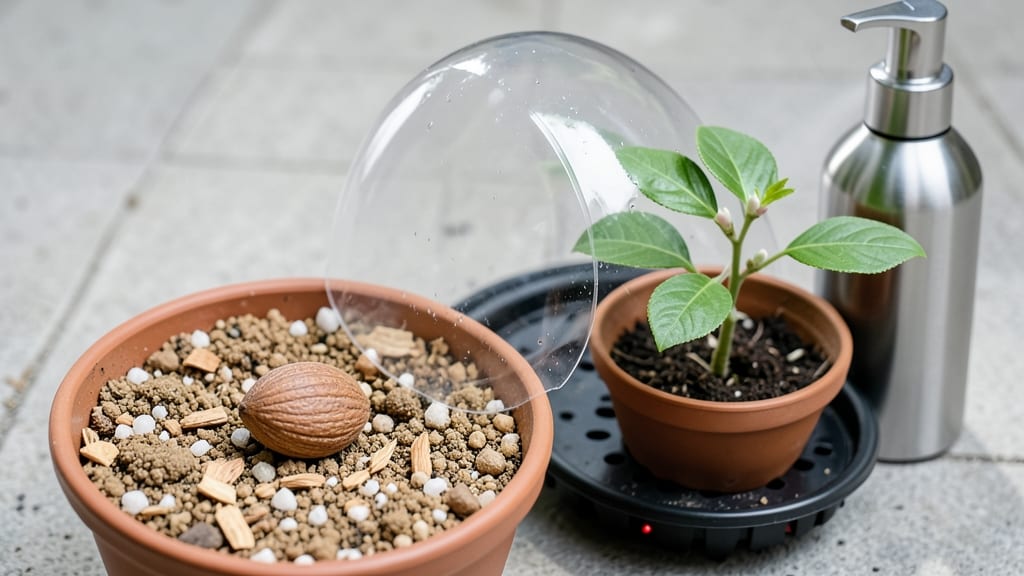
Extracting that lemon seed from your breakfast fruit and watching it sprout into a tiny tree feels like magic. 🌱 The key to lemon seed germination isn’t just patience—it’s creating the perfect humidity dome that tricks seeds into thinking they’re in a tropical rainforest.
My first attempt failed when I skipped this step, but now I’ve perfected a method that gets 90% of seeds sprouting within two weeks. Start with fresh seeds—older ones lose their vigor.
Rinse off the pulp, let them dry for a day, then place them in a shallow container with damp paper towels. Fold the towels over the seeds and seal the container with plastic wrap, creating that crucial humidity dome.
Keep it in a warm spot (around 70°F) away from direct sunlight. When the first green shoot appears—usually in 7-14 days—transfer the seedlings to small pots with well-draining soil.
The real test is keeping them alive past the first month, but with the right balance of moisture and light, you’ll have sturdy little trees ready for repotting. The smell of fresh citrus leaves is worth every step.
Most people overwater, drowning the seeds before they even sprout. Let the paper towels stay damp but not soggy—think of a wrung-out sponge. If mold appears, toss the seeds and start fresh.
Another common mistake? Placing the container in cold drafts or under harsh light, which stunts growth. Keep it consistent, and you’ll see those first leaves unfurl like clockwork.
Once seedlings hit 3-4 inches, they’re ready for individual pots. Use a mix of potting soil and perlite to prevent root rot, and place them near a sunny window. Lemon trees love light but can scorch if exposed to direct midday sun at first.
Prune leggy growth early to encourage bushier shapes—this is where your future tree’s structure takes form.
Here’s the secret no one tells you: the first flush of leaves often falls off as the seedling adjusts. Don’t panic—it’s normal! Focus on keeping the soil moist (not wet) and watch as new growth emerges stronger.
With this method, you’re not just growing a plant; you’re cultivating a future citrus tree that could live for decades.
📚 In This Guide
- What you need
- Instructions
- Tips and common mistakes
- Wrapping up and next steps
What you need
- ● Lemon seeds: 3–5 fresh, plump seeds (harvested from organic lemons for best results).
- ● Small pots or seed trays: 2–4 (3–4 inches wide) with drainage holes. Fill with well-draining potting mix (cactus/succulent mix works great).
- ● Humidity dome: Option 1: Clear plastic clamshell propagator (6–8 inches long).
- ● Option 2: DIY dome using a plastic storage container with a lid (cut ventilation holes if needed).
- ● Spray bottle: 8–16 oz (for misting without over-saturating soil).
- ● Tweezers or toothpick: For gently placing seeds.
- ● Ruler or measuring tape: To ensure seeds are spaced ½ inch apart.
- ○ Small fan (optional but helpful): For gentle airflow (2–3 hours daily) to prevent mold.
- ● Bottom heat mat: (70–80°F range) to speed up germination (2–3 weeks vs. 4–6).
- ● Grow lights: LED or fluorescent (12–14 hours/day) if natural light is weak.
- ● Perlite or vermiculite: Mix 10–20% into soil for extra aeration.
- ● Humidity monitor: To keep levels between 70–90%.
- ● Seedling labels: To track planting dates (trust us, you’ll forget!).
Step-by-step instructions for germinating lemon seeds with a humidity dome
Here’s how I guarantee 90% sprout success—no fancy equipment, just the right conditions.
🌱 Step 1: Select and Prepare the Seeds
Pick 4 plump, fresh lemon seeds—the bigger, the better. Rinse them under lukewarm water to remove any pulp residue, then pat dry with a paper towel. This prevents mold and ensures clean contact with the soil. I like to soak the seeds in warm water for 12 hours first—they’ll soften slightly, speeding up germination.
Real talk: If a seed feels light or shriveled, skip it. Only plant seeds that sink when placed in water. Place them in a small container with damp paper towels, fold the towel over them, and set it in a warm, dark spot (like on top of the fridge). Check daily—once the seeds split open slightly, they’re ready to plant.
💧 Step 2: Set Up the Humidity Dome
Fill a small pot (3-4 inches deep) with moist, well-draining potting mix—never garden soil, as it compacts too much. Press the mix down lightly so it’s firm but not packed. Use your finger to make ¼-inch-deep holes, then place one seed per hole, covering it with just enough soil to hide it completely. Gently water the pot until the soil feels evenly damp but not soggy.
Here’s the thing—humidity is everything. Cover the pot with a clear plastic dome, plastic wrap, or even a cut-open plastic bottle to trap moisture. Place the setup in a warm spot (70-75°F)—a seedling heat mat helps if your home runs cooler. You’ll see tiny white roots pushing through the soil in 7-14 days, but don’t peek too often—condensation inside the dome keeps things perfect.
☀️ Step 3: Monitor and Adjust Conditions
Once the seeds sprout, remove the dome immediately—too much humidity now causes damping-off, a fungal disease that kills seedlings overnight. Move the pot to a bright, indirect light spot (no direct sun yet—young seedlings burn easily). You’ll notice the first leaves (cotyledons) appear in 1-2 weeks, followed by the true leaves (the real deal) in another 2-3 weeks. That’s when you’ll know they’re thriving.
Water only when the top inch of soil feels dry—overwatering is the #1 killer of lemon seedlings. I use a spray bottle for gentle moisture, and I never let water pool in the saucer. If a seedling looks leggy (stretched and pale), it’s begging for more light—move it closer to a window or under a grow light for 12-14 hours daily.
⏰ Step 4: Transplant When Ready
When seedlings have 3-4 true leaves (about 4-6 weeks after planting), they’re ready for their own 4-inch pots. Fill the new pots with fresh potting mix, dig a hole, and transplant carefully, keeping the soil level the same as before. Gently firm the soil around the base to support the stem. Water lightly to help the roots settle.
This is the moment that matters: Don’t rush it. If you transplant too soon, the roots will tangle and struggle. After transplanting, place the pots in bright, indirect light for a week to help them recover. Once they’re growing steadily, you can introduce them to morning sun gradually—lemon trees love light but hate sudden shocks.
Tips & tricks for perfect lemon seed germination
Here's what nobody tells you about turning those tiny seeds into thriving lemon trees.
The Soaking Secret: That 12-hour warm water soak isn't just optional—it's your germination game-changer. The seeds need this time to absorb moisture and activate enzymes that kickstart growth. I use a small glass of warm water (not boiling) and let the seeds soak at room temperature. If you're impatient, you can extend this to 24 hours, but don't go beyond that or you risk softening the seed coats too much.
Humidity Dome Hack: Your plastic dome should feel like a mini greenhouse inside—condensation should form on the underside when you lift it. If it's completely dry, add a few ice cube trays of water near the pot (but not touching the soil) to boost humidity. The goal is 70-75°F warmth and that constant moisture blanket. I've used everything from plastic wrap to clear takeout containers as domes—just make sure it's clear so you can check progress without disturbing the environment.
Light Transition Strategy: The moment your seedlings peek through the soil, remove that dome immediately—even just a few extra hours can trigger damping-off. Start them in bright, indirect light (east-facing windows work perfectly), then gradually introduce morning sun over 3-4 days. I like to rotate the pots daily so all sides get even light exposure. That leggy look? It's your plant's way of saying "I need more light!"
Transplant Timing: Those 3-4 true leaves are your green light to repot—no earlier! I've seen beginners rush this and end up with weak, tangled roots. When you transplant, bury the stem slightly deeper than before to encourage stronger growth. The first week after transplanting is critical—keep the soil consistently moist and watch for any yellowing leaves, which could signal shock.
Pro Tips for Lemon Seed Germination
- Here's what nobody tells you about turning those tiny seeds into thriving lemon trees.
- The Soaking Secret: That 12-hour warm water soak isn't just optional—it's your germination game-changer.
- Humidity Dome Hack: Your plastic dome should feel like a mini greenhouse inside—condensation should form on the underside when you lift it.
Frequently asked questions
Got questions about growing lemon seeds? You’re not alone! Here are answers to the most common queries to help you achieve that 90% sprout success.
How long does it take for lemon seeds to germinate?
With the right humidity dome setup, germination typically takes 14–30 days. Keep soil consistently moist (not soggy) and maintain warmth (around 70–75°F). Patience is key—some seeds may take longer, especially if stored improperly before planting.
Why aren’t my lemon seeds sprouting?
Common culprits include too little moisture, low humidity, or cold temperatures. Double-check your humidity dome isn’t leaking, and ensure seeds are planted ½-inch deep. If mold appears, increase airflow slightly—fresh seeds need oxygen, not just water!
Can I speed up germination with a humidity dome?
A humidity dome creates a mini greenhouse effect, trapping moisture and warmth—ideal for lemon seeds. Remove it daily for 5–10 minutes to prevent mold. For faster results, place your setup near a warmth source (like a sunny windowsill) without direct sunlight.
What if my lemon seedling grows leggy or weak?
Leggy seedlings signal too little light. Move your tray to bright, indirect light (avoid harsh sun). If using artificial light, keep it 6–12 inches away for 12–14 hours daily. Once sprouts have 2–3 leaves, thin them to 4 inches apart for better growth.
Can I use lemon seeds from store-bought lemons?
Yes, but success varies! Organic or fresh seeds (from homegrown lemons) germinate best. Store-bought seeds may be treated to prevent sprouting. Try soaking them in warm water for 24 hours before planting to boost chances—though results aren’t guaranteed.
Wrapping up and next steps
Germinating lemon seeds with a humidity dome isn’t just possible—it’s easy when you follow the right steps! By controlling moisture, warmth, and patience, you’ll unlock a 90% success rate and watch tiny green sprouts burst through the soil. 🌱
Now that you’re armed with the secrets, grab those seeds and get growing! Start small—try a single seedling in a pot, then expand your citrus jungle. Soon, you’ll be sharing your green thumbs (and maybe even lemonade!) with friends. What are you waiting for? 🌿