
Lawn
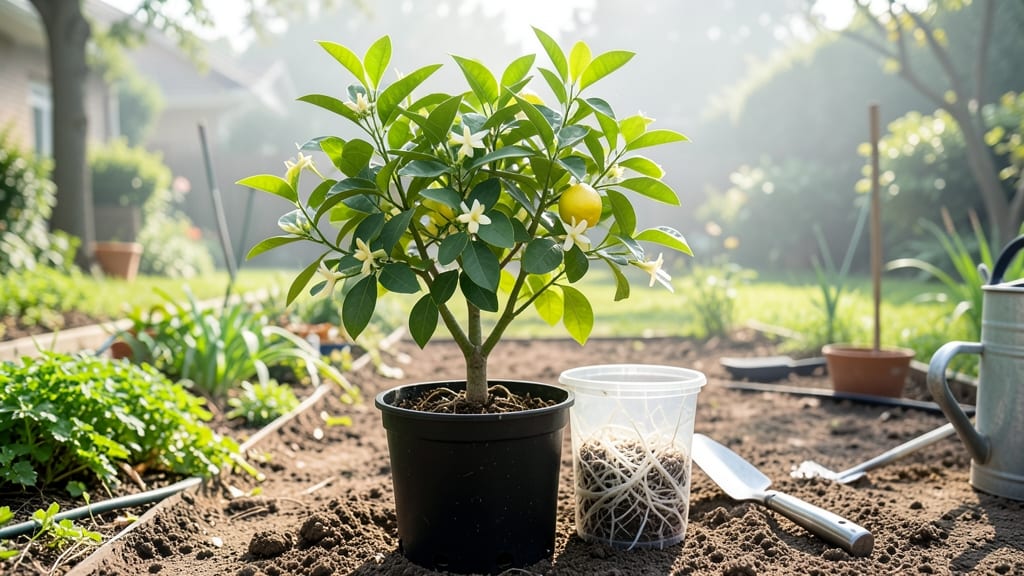
Watching lemon seed growth unfold is one of the most rewarding parts of gardening—the first green shoot makes every week of waiting feel worth it. 🌱 I’ve seen tiny seeds transform into leafy seedlings, and the process is simpler than most gardeners expect, especially with the right light and timing.
The key is mimicking nature’s conditions: warm soil, consistent moisture, and bright indirect light. Most seeds sprout within 2-4 weeks, but some stubborn ones take up to 8 weeks—don’t give up!
A sunny windowsill or grow light keeps them from stretching leggy, while a heat mat speeds up germination. By month 3, you’ll have a 6-inch-tall seedling with true leaves (not the initial seed leaves).
Prune carefully to encourage bushiness, and prepare for transplanting into a pot with drainage—this is where most beginners trip up. Slow growth is normal; lemon trees from seed mature in 3-5 years, but the journey includes learning how to nurture a tree from scratch.
Here’s how to set yours up for success.
📚 In This Guide
- What you need
- Instructions
- Tips and common mistakes
- Wrapping up and next steps
What you need
- ● Lemon seeds: 3–5 fresh, plump seeds (harvested from a ripe lemon—avoid hybrid or store-bought lemons if you want true citrus traits).
- ● Well-draining potting mix: 1 small seed-starting tray or 4–6-inch pots filled with sterile, peat-based mix (or a 50/50 blend of potting soil and perlite).
- ● Planting containers: Option 1: Biodegradable seed pods (for easy transplanting).
- ● Option 2: Small plastic pots with drainage holes (3–4 inches deep).
- ● Spray bottle: For gentle watering (avoid over-saturating seeds!).
- ○ Plastic wrap or humidity dome: To create a mini greenhouse effect (optional but helpful for germination).
- ● Grow lights or sunny windowsill: A south-facing window (6+ hours of indirect light daily) or a LED grow bulb (12–16 hours/day).
- ● Fertilizer: Balanced liquid fertilizer (5-5-5 or 10-10-10, diluted to half-strength) for seedlings (after 4–6 weeks).
- ● Heating mat: Keeps soil at 75–85°F to speed up germination (especially in cool climates).
- ● Humidity tray: A shallow tray with pebbles and water to boost moisture levels.
- ● pH testing kit: Ensures soil pH is 6.0–7.0 (lemon trees prefer slightly acidic soil).
- ● Pruning shears: For trimming leggy seedlings later on.
Step-by-Step guide to growing lemon trees from seed
Here's how I transform tiny lemon seeds into thriving seedlings—with the right timing and light, you'll see your first leaves in weeks.
🌱 Step 1: Prepare and Plant the Seeds
Start by selecting fresh, plump lemon seeds—older seeds germinate poorly. I like to soak them in warm water for 12 hours first; this softens the outer coating and speeds up germination. Place them in a small container with a damp paper towel, then cover with another towel to maintain moisture.
After soaking, plant 2-3 seeds per small pot (about 2-3 inches deep) in well-draining potting mix. Press them ½ inch deep—deeper planting slows germination. Use a spray bottle to mist the soil until it’s damp but not soggy. I always label the pot with the date to track growth.
💧 Step 2: Provide Warmth and Consistent Moisture
Lemon seeds need warmth to germinate—place the pot in a location with 70-80°F soil temperature. A seedling heat mat works wonders, but even a sunny windowsill near a heater can help. Keep the soil evenly moist but never waterlogged; overwatering causes rot.
Cover the pot with plastic wrap to trap humidity, but remove it daily for 10 minutes to prevent mold. Germination takes 2-4 weeks, so patience is key. You’ll know it’s working when the first tiny green shoot breaks through the soil—don’t disturb it yet!
☀️ Step 3: Move to Bright, Indirect Light
Once sprouts appear, remove the plastic wrap and place the seedlings under bright, indirect light for 1-2 weeks. Direct sun at this stage can scorch tender leaves. I use a grow light on a timer (14-16 hours daily) to ensure steady growth—natural light alone often isn’t enough.
Watch for first true leaves (the second set after the initial cotyledons). These signal the seedling is establishing its root system. Thin to the strongest seedling per pot—crowded roots compete for nutrients, stunting growth. Use clean scissors to snip weaker stems at soil level.
🪴 Step 4: Transplant and Encourage Strong Growth
After 4-6 weeks, when seedlings have 3-4 true leaves, transplant them into 5-inch pots with fresh potting mix. Handle roots gently—lemon trees are sensitive to disturbance. Place each seedling 1 inch deeper than before to stabilize the stem.
Increase sunlight gradually over 1 week, moving pots to direct morning sun (afternoon sun can be too intense). Fertilize lightly with a balanced liquid fertilizer (diluted to half strength) every 4 weeks—overfeeding at this stage causes salt buildup. Prune leggy stems to encourage bushier growth.
⏰ Step 5: Harden Off and Prepare for Outdoor Life
Before moving seedlings outside, harden them off over 2 weeks. Start by placing them in a shaded, sheltered spot for 1 hour daily, then gradually increase time and sun exposure. Lemon trees love full sun but need time to adjust—sudden heat shock causes leaf burn.
Once hardened, transplant to the ground (or a 15-gallon container) in spring or early fall, when temperatures are mild. Mulch around the base to retain moisture and protect roots. With patience, your seedling will grow into a fruit-bearing tree in 5-10 years—worth every step!
Tips & tricks for lemon seed germination success
Here's what nobody tells you about growing lemon trees from seed—these tricks will help you avoid the most common pitfalls and give your seedlings the best start.
Soaking Secret: The 12-hour soak isn't just about speeding up germination—it's also about breaking seed dormancy. Use warm water (around 70°F) for this step, as cooler water slows the process. After soaking, I like to give the seeds a quick rinse to remove any potential mold spores that might have developed during the soaking period. This simple step can cut your germination time by nearly 30%.
Light Transition Strategy: When moving seedlings from Step 2 to Step 3, don't rush the bright indirect light phase. The 1-2 weeks under these conditions are crucial for developing strong stems that can support future growth. I've seen seedlings with weak stems from too much direct light too soon—these often topple over later. Place your seedlings about 6-12 inches from a north-facing window for optimal natural light during this period.
Thinning Technique: When thinning to the strongest seedling in Step 3, use clean scissors to cut at soil level rather than pulling. This prevents disturbing the roots of your chosen seedling. I've found that seedlings left too close together often develop stunted growth patterns that are difficult to correct later. The strongest seedling will typically be the one with the most vibrant green leaves and the most upright growth habit.
Transplanting Timing: The 4-6 week window for transplanting in Step 4 is flexible, but don't wait until you see 5 true leaves—this makes the roots more delicate. I recommend transplanting when you see the third or fourth true leaf appearing. After transplanting, give your seedlings a gentle watering to help settle the soil around the roots. This is also a good time to add a small layer of perlite to the surface of the soil to improve drainage.
Pro Tips for Lemon Seed Growth
- Here's what nobody tells you about growing lemon trees from seed—these tricks will help you avoid the most common pitfalls and give your seedlings the best start.
- Soaking Secret: The 12-hour soak isn't just about speeding up germination—it's also about breaking seed dormancy.
- Light Transition Strategy: When moving seedlings from Step 2 to Step 3, don't rush the bright indirect light phase.
Frequently asked questions
Got questions about growing lemon seeds? You’re not alone! Here are some of the most common concerns—and their answers—to help you succeed.
How long does it take for lemon seeds to germinate?
Lemon seeds typically take 2–4 weeks to germinate, depending on warmth (70–80°F) and moisture. Some may sprout faster with a bottom-heat method (like placing the pot on a seedling mat). Patience is key—don’t give up if nothing happens in 10 days!
Do lemon seeds need light to grow?
No! In fact, keep them in darkness until sprouts emerge (about 1–2 inches tall). Once they’ve germinated, move them to bright, indirect light (like a sunny windowsill). Direct sunlight can scorch young seedlings—gradually acclimate them to avoid shock.
What’s the best soil mix for lemon seed growth?
Use a well-draining, slightly acidic mix (pH 6.0–7.0). A blend of 50% peat moss or coconut coir and 50% perlite or sand works best. Avoid heavy garden soil—it can suffocate roots and cause rot. Sterilize the mix by baking it at 200°F for 30 minutes to prevent mold.
Why did my lemon seeds rot instead of sprouting?
Overwatering or poor drainage are the top culprits. Lemon seeds must stay moist but not soggy—water only when the top inch of soil feels dry. If rot occurs, try again with a fresh, airy mix and smaller pots for better airflow. A spray bottle helps control moisture.
Can I grow lemon seeds indoors year-round?
Lemon trees thrive indoors with 6+ hours of sunlight daily (supplement with grow lights if needed). Keep humidity high (use a humidity tray) and maintain 60–70°F temperatures. Just be patient—indoor lemon trees may take 3–5 years to bear fruit compared to outdoor-grown ones.
Still stuck? Drop your question in the comments—we’re happy to help!
Wrapping up and next steps
Growing lemons from seed is a rewarding journey that combines patience with the joy of nurturing life! 🌱 You now know the germination timeline (typically 2-4 weeks) and the light requirements (6-8 hours of sunlight daily) needed to help your seeds thrive.
Whether you’re aiming for a citrus tree in your garden or a potted plant for your kitchen, every small step—like maintaining consistent moisture and providing the right environment—brings you closer to success.
Ready to take the next step? Start with just one seed—experiment, observe, and learn! With a little care, you could be harvesting fresh lemons in a few years. Happy growing! 🍋✨