
Size
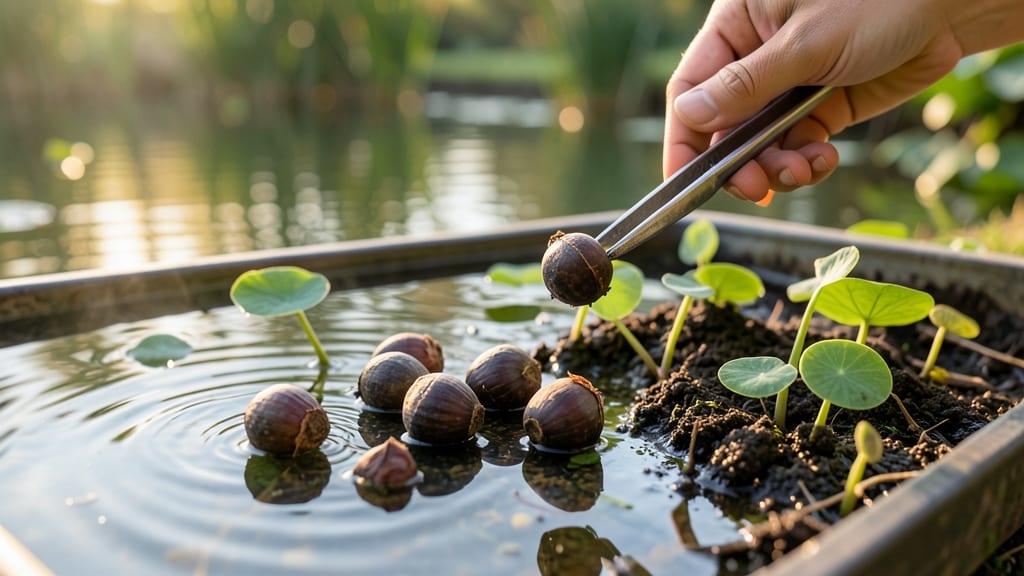
Growing lotus seeds in your garden means future blooms that feel like a secret treasure. 🌿 The key is patience—these ancient seeds can take months to sprout, but the reward is worth every wait.
I’ve learned that the difference between success and frustration often comes down to soil, water, and timing.
Start with rich, well-draining soil mixed with compost—lotus roots need space to stretch without waterlogging. For aquatic varieties, plant seeds in shallow containers with 3-4 inches of water covering them; terrestrial types prefer moist but not soggy soil. Sunlight is non-negotiable: 6+ hours of direct light daily keeps them thriving.
Once sprouted, expect slow but steady growth—3-6 months before you see leaves, and another year before blooms. The trick is consistency: keep water levels steady (never stagnant) and fertilize lightly every 4-6 weeks with a balanced liquid feed. Early wilting? Check for root rot or insufficient light.
By next season, you’ll harvest seeds from your own lotus blooms, and the cycle begins again. The real magic isn’t just the flowers—it’s knowing you nurtured them from seed to seed. Here’s how to keep them healthy until then.
📚 In This Guide
- What you need
- Instructions
- Tips and common mistakes
- Wrapping up and next steps
What you need
- ● Lotus seeds: 10–20 seeds (organic, non-GMO preferred for best growth)
- ● Large container or pond: Minimum 18" deep (for aquatic lotus) or a well-draining pot (for terrestrial varieties)
- ● Potting soil: 5–10 gallons (for terrestrial lotus) or aquatic plant substrate (for pond lotus)
- ● Water source: Clean, non-chlorinated water (ponds, rainwater, or dechlorinated tap water)
- ● Fertilizer: Balanced aquatic plant fertilizer (5-5-5 NPK ratio) or compost tea
- ● Stakes or trellis: 3–4 bamboo stakes (6–12" tall) for support
- ● Pruning shears: Sharp, clean pair for trimming
- ● Garden gloves: Protect your hands from soil and water
- ● Water testing kit: Check pH (ideal: 6.0–7.5) and nutrient levels
- ● Mulch (gravel or pebbles): For pond edges to prevent erosion
- ● Solar-powered pond aerator: Keeps water oxygenated (great for larger ponds)
- ● Seed-starting tray: For germinating seeds indoors (if starting early)
- ● Label markers: To track varieties and planting dates
Step-by-Step guide to harvesting lotus seeds for next year’s blooms
Here’s how to collect and store lotus seeds without damaging the plant—so you’ll have vibrant blooms again next season.
🌿 Step 1: Identify and Select Mature Seed Pods
Lotus seeds ripen inside the pod after the flower wilts and the petals fall. Wait until the pod turns brown and papery—this signals full maturity. Gently squeeze the pod; if it feels dry and hollow, it’s ready. Avoid harvesting if the pod is still green or moist, as seeds won’t be viable.
Select pods from healthy plants with fully opened blooms earlier in the season. These will yield the most seeds. Use clean pruning shears to snip the pod from the stem, leaving a short stub to prevent disease. Work on a dry day to avoid spreading moisture to the seeds.
🪴 Step 2: Dry and Clean the Harvested Pods
Spread the harvested pods on a clean, breathable surface like a mesh screen or paper towel in a shady, well-ventilated area. Avoid direct sunlight, which can overheat and crack the pods. Let them dry for 7-10 days until they feel brittle and light when shaken.
Once fully dry, gently crush the pods with your hands or a mortar and pestle to release the seeds. Sift the mixture through a fine mesh strainer to separate seeds from chaff. Store the seeds in a paper envelope or breathable cloth bag—plastic traps moisture and encourages mold.
⏰ Step 3: Store Seeds for Optimal Germination Next Season
Place the dried seeds in a cool, dark location with low humidity (ideally 40-50% humidity). A sealed jar with silica gel packets works well, but avoid airtight containers—lotus seeds need airflow to stay viable. Label the container with the harvest date to track freshness.
Lotus seeds can remain dormant for years, but germination rates drop after 2-3 years. To test viability, soak a few seeds in water for 24 hours; if they swell slightly, they’re still good. Plant them in moist, nutrient-rich soil at a depth of 1-2 inches in early spring, spacing them 12-18 inches apart for full growth.
☀️ Step 4: Prepare the Garden for Next Year’s Planting
Before planting stored seeds, amend the soil with compost or organic matter to improve drainage—lotus plants hate soggy roots. Choose a location with at least 6 hours of sunlight daily and 6-8 feet of water depth if growing in a pond. For garden beds, ensure the soil stays consistently moist but not waterlogged.
Plant seeds 2-3 weeks before the last frost in temperate climates. Press them lightly into the soil and water gently to settle. Mulch with 1-2 inches of organic mulch to retain moisture and suppress weeds. Within 4-6 weeks, you’ll see the first true leaves—signs your seeds are sprouting successfully.
Tips & tricks for perfect lotus seed harvesting
These insider secrets will help you maximize your lotus seed yield while keeping your plants thriving for future blooms.
Pod Selection Precision: I learned this the hard way—don't harvest pods that still have any green patches. The brown, papery texture is your only reliable indicator of maturity. For even better results, harvest pods from stems that had the largest blooms earlier in the season. These plants have invested more energy in seed production, giving you the most viable seeds per pod.
Drying Strategy: The 7-10 day drying period in Step 2 is non-negotiable for seed viability. Place your drying surface near an open window with gentle airflow rather than direct ventilation—strong drafts can cause pods to crack prematurely. If you're in a humid climate, consider using a small fan on low setting to maintain airflow without creating turbulence. The goal is to mimic natural drying conditions while preventing mold growth.
Storage Environment: That 40-50% humidity range in Step 3 is critical—too much moisture causes mold, while too little can dry out the seeds. I keep my seed storage containers in a closet with a small dehumidifier running nearby during summer months. For the 24-hour viability test, use room-temperature water—cold water can shock the seeds and give false results about their viability.
Planting Timing: The 2-3 weeks before last frost window in Step 4 assumes a temperate climate. If you're in a warmer region, plant closer to the first frost date when soil temperatures drop below 60°F. For colder climates, you can start seeds indoors 6-8 weeks before transplanting. The key is ensuring seeds experience a natural temperature drop that triggers germination.
Pro Tips for Lotus Seed Grow A Garden
- These insider secrets will help you maximize your lotus seed yield while keeping your plants thriving for future blooms.
- Pod Selection Precision: I learned this the hard way—don't harvest pods that still have any green patches.
- Drying Strategy: The 7-10 day drying period in Step 2 is non-negotiable for seed viability.
Frequently asked questions
Got questions about growing lotus seeds in your garden?
Here are some of the most common ones—and their answers—to help you cultivate these delicate blooms like a pro!
How long does it take for lotus seeds to mature after planting?
Lotus seeds typically take 90–120 days to mature after flowering. Start with healthy tubers in spring (after the last frost), and expect blooms in mid-to-late summer. Patience is key—rushing harvest can leave seeds underdeveloped.
What’s the best temperature for growing lotus seeds outdoors?
Lotus plants thrive in warm climates (70–90°F). They’re sensitive to frost, so plant tubers after soil temps hit 65°F+. In cooler zones, grow them in containers and overwinter indoors. Mulch helps retain heat in early spring! →
Can I grow lotus seeds indoors, or do they need full sun?
Lotus seeds require full sun (6+ hours daily)—indoors won’t work long-term. However, you can start tubers in pots near a sunny window, then transplant outdoors once warm. A greenhouse or sunny patio extends growing seasons in chilly areas.
Why aren’t my lotus seeds forming? Troubleshooting tips.
Missing seeds? Check these fixes:
- Pollination: Hand-pollinate flowers with a soft brush if bees are scarce.
- Water depth: Keep roots submerged but leaves dry (3–6" water max).
- Nutrients: Add compost or a balanced fertilizer (10-10-10) every 4–6 weeks.
- Pests: Snails/slugs love lotus leaves—use organic barriers or diatomaceous earth.
Are there lotus seed alternatives for smaller gardens?
If space is tight, try:
- Miniature lotus (Nelumbo nucifera ‘Mini’)—compact tubers, same blooms!
- Water hyacinth (fast-growing, but invasive—plant in containers).
- Water lilies (non-edible but stunning for ponds).
For edible seeds, blue lotus (Nymphaea caerulea) is another option (though less hardy).
Wrapping up and next steps
Growing lotus seeds in your garden is a rewarding journey that blends patience with beauty—each step, from selecting the right variety to harvesting with care, sets the stage for next year’s stunning blooms. 🌸 Whether you’re a seasoned gardener or a curious beginner, the key is consistency: nurture your plants, protect them from pests, and savor the process.
Now that you’re equipped with the know-how, why not plant your first seeds this season? Start small, track your progress, and soon, you’ll be sharing your lush lotus garden (and seeds!) with fellow enthusiasts.