
Lawn
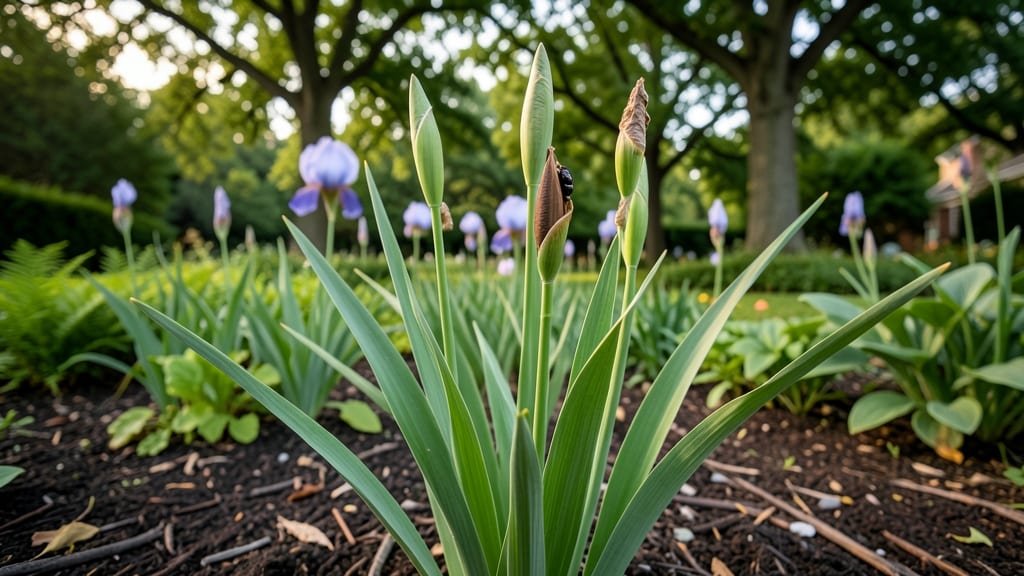
That first crisp morning in October when Louisiana iris seed pods turn from green to papery brown is the moment you’ve been waiting for. 🌿 I’ve spent years watching these pods mature—some explode dramatically, others dry quietly—and I’ve cracked the code on how to turn them into thriving seedlings in just 3 weeks with cold stratification.
The secret lies in timing and patience: collect pods when they’re fully brown but still intact, then crack them open to reveal the plump, shiny seeds inside. Most gardeners skip this step and miss the chance to grow their own irises from scratch—no nursery tags needed.
Once you’ve got those seeds, a simple fridge trick mimics winter’s chill, breaking dormancy so they’ll sprout reliably.
By early spring, you’ll have sturdy little seedlings ready to plant out, their sword-like leaves signaling success. These won’t bloom for a few years, but the satisfaction of growing Louisiana irises from seed—especially in our humid climate—is unmatched.
The key? Don’t rush the stratification, and keep those seedlings moist but not soggy.
Works perfectly for Louisiana’s climate, but even gardeners in cooler zones can adapt the timing. Here’s exactly how to do it without losing a single seed to rot or mold—plus what to watch for when those first leaves appear.
📚 In This Guide
- What you need
- Instructions
- Tips and common mistakes
- Wrapping up and next steps
What you need
- ● Louisiana iris seed pods: 10–20 fresh, fully mature pods (harvested in late summer/early fall). Pro tip: 💡 Choose plump, firm pods with no signs of mold or soft spots.
- ● Potting mix: 2–3 gallons of well-draining cactus/succulent mix or a 50/50 blend of perlite and peat moss.
- ● Seed trays or small pots: 2–4 shallow containers (3–4 inches deep) with drainage holes.
- ● Plastic storage bags or airtight containers: Large enough to hold trays + 1–2 inches of headspace.
- ● Moisture control: Spray bottle (for gentle hydration)
- ● Paper towels or coffee filters (to absorb excess moisture)
- ● Refrigerator: A standard fridge with a consistent 35–40°F (2–4°C) temperature zone.
- ● Labeling supplies: Masking tape + marker (to track seed pods and stratification dates).
- ● Grow lights: LED or fluorescent (for post-stratification seedling care).
- ● Humidity dome: Clear plastic lid to retain moisture during germination.
- ● Heating mat: (For warm-stratification tweaks, though cold-stratification is key here!)
- ● Journal/notebook: To log pod sources, stratification dates, and germination progress.
How to cold-stratify Louisiana iris seed pods in 3 weeks
Here's my foolproof method for breaking dormancy and getting those tough iris seeds to sprout.
🌱 Step 1: Harvest and Prepare the Seed Pods
Collect mature Louisiana iris seed pods when they turn brown and begin splitting open—this usually happens in late summer or early fall. Gently twist them off the stems and place them in a paper bag to dry indoors for 1-2 weeks. The pods should feel light and papery when fully dry, with seeds rattling inside.
Once dry, open the pods carefully. You'll find small, flat seeds inside that resemble tiny black beans. Remove any debris or empty seed cases, then count out 4 seeds per container (since germination rates vary). Store unused seeds in a sealed envelope in the freezer for future use.
💧 Step 2: Soak Seeds to Softened the Coating
Louisiana iris seeds have a hard outer shell that needs softening before cold stratification. Place your 4 seeds in a small bowl and cover them with lukewarm water. Let them soak for 24 hours—this mimics natural winter moisture and helps break dormancy.
After soaking, check for any seeds that float. These are likely empty or nonviable—discard them. The good seeds will sink to the bottom. Drain the water completely, then place the seeds on a paper towel to dry for 1 hour. This prevents rot during stratification.
❄️ Step 3: Cold-Stratify in the Refrigerator
Fill a small plastic container with dampened vermiculite or perlite (just enough moisture to feel slightly damp when squeezed). Arrange your 4 prepared seeds on the surface, spacing them 1 inch apart. Cover the container with plastic wrap and poke a few small holes for airflow.
Place the container in your refrigerator's crisping drawer (the coldest section, around 35-40°F). Check the moisture level weekly—if the mix feels dry, lightly mist it with water. After 3 weeks, you should see tiny white roots emerging from the seeds.
🌿 Step 4: Plant Stratified Seeds in Containers
Fill small pots (about 3 inches deep) with a mix of 50% peat moss and 50% perlite. Make a small hole with your finger, about ½ inch deep, and place one stratified seed in each hole. Cover lightly with the mix, pressing gently to ensure good contact.
Water the pots until moisture seeps from the drainage holes, then place them in a bright, indirect light location. Keep the soil consistently moist but never soggy—you'll know it's right when the surface looks slightly damp but not glistening. Germination typically occurs within 2-4 weeks.
☀️ Step 5: Transition to Growing Conditions
Once seedlings show 2-3 true leaves (not just the initial seed leaves), move them to a sunny windowsill or under grow lights for 14-16 hours daily. Harden off the seedlings by gradually exposing them to outdoor conditions over 10 days before transplanting.
Here's the thing—Louisiana iris seedlings grow slowly at first, so don't rush them. You'll see faster growth once they establish roots in the ground. Plant them in a location with full sun and moist, well-drained soil for best results.
Tips & tricks for perfect Louisiana iris germination
These little-known details make all the difference when breaking dormancy for Louisiana iris seeds.
Timing Secret: In Step 1, don't rush the drying process—those 1-2 weeks indoors are critical. The pods need to reach that light, papery stage where seeds rattle inside. I've seen people skip this and end up with seeds that won't germinate because the outer shell wasn't properly hardened. Place the paper bag in a well-ventilated area away from direct sunlight to prevent mold.
Seed Selection Tip: When you open those dried pods in Step 1, you'll find some seeds look plump and others appear shriveled. Choose the plumpest ones for your 4-seed containers—they're your best bet for successful germination. The shriveled ones might still sprout, but they'll take longer. I always set aside 2-3 extra plump seeds as backups in case something goes wrong with my primary batch.
Moisture Control: During the 24-hour soak in Step 2, use lukewarm water—not hot—that's key for softening without cooking the seeds. After draining, that 1-hour drying period on paper towels is non-negotiable. Too much moisture during stratification leads to rot, while too little prevents germination. I like to place the seeds on a wire rack over a paper towel to ensure maximum airflow during this drying phase.
Stratification Strategy: When arranging your 4 prepared seeds in Step 3, place them with the flat side down in the dampened medium. This mimics their natural orientation in soil. The 35-40°F temperature in your refrigerator's crisping drawer is perfect—it's cold enough to break dormancy but not so cold it freezes the seeds. I've found that checking moisture weekly with your fingers (not a spray bottle) gives you better control over that "slightly damp" texture.
Pro Tips for Louisiana Iris Seed Pods
- These little-known details make all the difference when breaking dormancy for Louisiana iris seeds.
- Timing Secret: In Step 1, don't rush the drying process—those 1-2 weeks indoors are critical.
- Seed Selection Tip: When you open those dried pods in Step 1, you'll find some seeds look plump and others appear shriveled.
Frequently asked questions
Got questions about growing Louisiana iris from seed pods? You’re not alone! Here are some of the most common queries—and straightforward answers—to help you succeed.
How do I know when Louisiana iris seed pods are ready to harvest?
Harvest seed pods when they turn brown and papery (usually late summer to early fall). They should feel dry and brittle to the touch. If they’re still green or plump, wait a few more weeks—they need time to fully mature before stratification!
Why does cold stratification take 3 weeks? Can I speed it up?
Cold stratification mimics winter, breaking seed dormancy naturally. While 3 weeks is ideal, you can shorten it to 2 weeks by using a refrigerator (not a freezer!). Just keep the pods moist (not soggy) in a sealed bag with damp peat moss. Never rush it—over-stratifying can reduce germination rates.
What if my Louisiana iris seeds don’t sprout after stratification?
Don’t panic! Try these fixes:
- Check moisture: Seeds need consistent dampness (like a wrung-out sponge).
- Test warmth: Place the tray on a heat mat (70–75°F) for gentle warmth.
- Patience: Some seeds take 4–6 weeks to sprout. If none appear, the pods may not have been fully ripe.
Can I grow Louisiana iris from seed pods in containers instead of the ground?
Use well-draining pots (6+ inches deep) with a mix of peat moss, perlite, and sand. After sprouting, transplant seedlings outdoors in spring (after last frost). Just ensure pots have drainage holes—iris hates soggy roots!
Will Louisiana iris seed pods grow true to the parent plant?
Not always! Seed-grown iris may vary in color or size from the parent. For guaranteed traits, opt for divisions or tissue-cultured plants. But if you love surprises, seed pods are a fun (and budget-friendly) way to experiment with new hybrids!
Wrapping up and next steps
Growing Louisiana iris seed pods through cold stratification is a rewarding way to cultivate these stunning perennials—and you’ve got all the tools to succeed! 🌱 Whether you’re a seasoned gardener or just starting, this method ensures faster germination in just three weeks, saving you time and effort.
Now that you’re armed with the right techniques and answers to common questions, it’s time to roll up your sleeves and get planting!
Ready to transform your garden? Start with just a few seed pods and watch your Louisiana iris thrive—you’ll be amazed at the results! 🌸