
Lawn
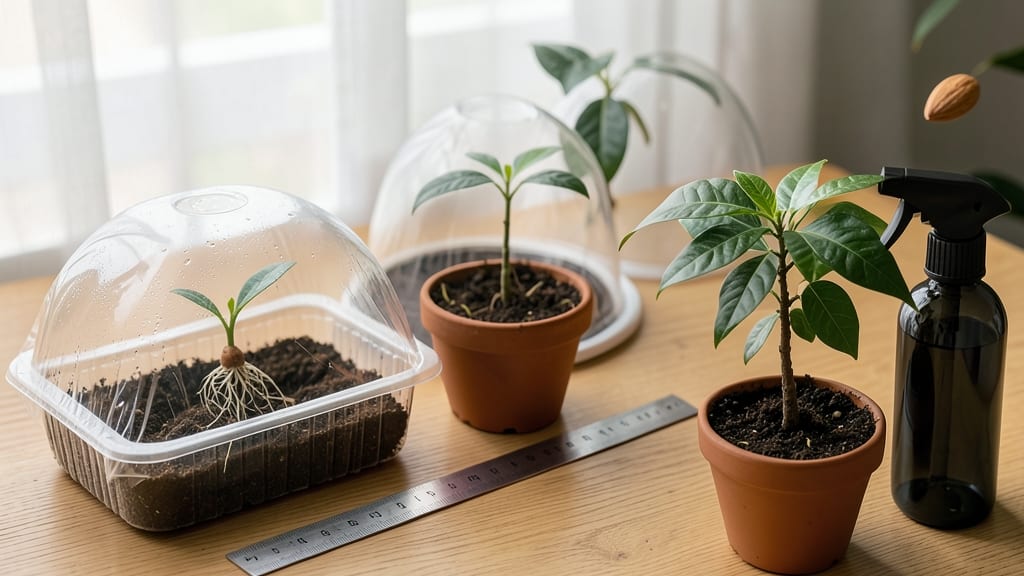
Watching the stages of mango seed growth unfold is like witnessing a tiny miracle—though it takes patience to see those first leaves turn into a sturdy sapling. 🌱 The journey from seed to 3-foot sapling spans just three months, but each stage demands different care to keep your seedling thriving.
I’ve tracked my own mango seeds through every sprout, and the key is understanding exactly what your seedling needs at each growth phase.
The first two weeks are all about coaxing that seed to break dormancy—warmth, moisture, and a snug environment do the trick. Once the sprout emerges, you’ll need bright, indirect light to prevent leggy growth, and soil that stays damp but never soggy.
Most beginners rush this stage, but rushing leads to weak roots and stunted growth. By month two, you’ll start seeing true leaves (not the initial seed leaves), and that’s when you can gradually introduce more sunlight.
By month three, your sapling should be sturdy enough to handle outdoor conditions, though it won’t bear fruit for years. The real magic happens in the roots—strong, fibrous roots mean a tree that can handle drought and pests better.
I’ve seen saplings double in height between months two and three when given the right balance of water, light, and a well-draining soil mix. The payoff? A tree that could live for decades in your yard.
Here’s the thing—most people quit at the first sign of trouble, like yellowing leaves or slow growth. But with the right adjustments (like adjusting light or water), you’ll get a sapling ready for transplanting.
The first year is all about building a strong foundation, and every little care decision now sets the stage for a fruit-bearing tree down the road.
📚 In This Guide
- What you need
- Instructions
- Tips and common mistakes
- Wrapping up and next steps
What you need
- ● Mango seeds: 3–5 fresh, plump seeds (preferably from organic or pesticide-free mangoes).
- ● Small pots or seed trays: 4–6 biodegradable pots (3–4 inches in diameter) or a shallow tray with drainage holes.
- ● Well-draining potting mix: 5–10 lbs of a blend like 50% coconut coir + 30% perlite + 20% compost (sterilized to prevent mold).
- ● Plastic wrap or humidity dome: A clear plastic bag or a propagator lid to retain moisture.
- ● Spray bottle: 8–16 oz with a fine mist nozzle for gentle watering.
- ● Grow lights or sunny windowsill: A full-spectrum LED grow light (12–15 watts) or a south-facing window (6+ hours of sunlight daily).
- ○ Thermometer/hygrometer: Optional but helpful to monitor ideal temps (75–85°F) and humidity (70–80%).
- ● Seed scarification tool: Sandpaper (100–120 grit) to gently roughen the seed coat if germination stalls.
- ● Fertilizer: A balanced liquid fertilizer (5-5-5 or 10-10-10) diluted to half-strength for early feeding.
- ○ Heating mat: A seedling heat mat (optional for faster germination in cooler climates).
- ● Pruning shears: Small, sharp scissors for trimming future saplings.
- ● Journal/notebook: To track growth stages, watering schedules, and observations!
Step-by-Step guide to watching mango seeds grow into saplings
Here's how to nurture a mango seed from its first green sprout to a sturdy 3-foot sapling.
🌱 Step 1: Germinate the Seed in Warm, Moist Conditions
Start by soaking your mango pit in warm water for 24 hours to soften the hard outer shell. Remove the pit and gently scrape off the fleshy interior, leaving just the hard seed inside. Place the clean seed between two damp paper towels, then roll them up and secure with a rubber band. Store the bundle in a plastic bag to retain moisture.
Keep the bag in a warm, dark place (75-85°F)—a sunny windowsill or top of the fridge works well. Check daily and mist with water if the towels dry out. You'll see the first tiny white root emerge in 10-14 days. Once the root reaches about 1 inch long, it's ready for planting.
🪴 Step 2: Plant the Germinated Seed in Soil
Fill a 6-inch diameter pot with well-draining potting mix, leaving about 1 inch of space at the top. Make a small hole in the center, about 1 inch deep, and place the germinated seed inside with the root pointing downward. Cover lightly with soil, pressing gently to secure but not compact.
Water thoroughly until moisture seeps from the drainage hole, then place the pot in a bright, indirect light location. Mango seeds need warmth to grow, so keep the soil temperature above 65°F. You'll notice the first green shoot appear within 7-10 days—this is your signal to keep the soil consistently moist but not soggy.
🌿 Step 3: Care for the Seedling as It Grows
Once the seedling reaches 3-4 inches tall, transplant it into a slightly larger pot (about 8 inches wide) to give its roots room to expand. Use the same well-draining mix and water deeply after transplanting. Place the pot in a spot with morning sun and afternoon shade—direct sunlight can scorch young leaves.
Water when the top inch of soil feels dry, and fertilize lightly every 4-6 weeks with a balanced, water-soluble fertilizer. You'll see the first true leaves (not the initial seed leaves) develop within 3-4 weeks. These leaves will be broader and more defined, signaling healthy growth.
☀️ Step 4: Gradually Acclimate to Full Sun
After the seedling has 6-8 leaves, begin introducing it to more sunlight. Move the pot to a location with 3-4 hours of direct sun per day, gradually increasing exposure over 2 weeks. Watch for leaves turning slightly yellow—this is normal as the plant adjusts. Once the seedling tolerates 6+ hours of sun daily, it's ready for full sunlight.
By this stage, your sapling should be 12-18 inches tall with a sturdy stem. Continue watering deeply but allow the top 2 inches of soil to dry out between waterings to prevent root rot. Prune any yellow or damaged leaves to encourage new growth and maintain a strong structure.
⏰ Step 5: Prepare for Outdoor Planting (Optional)
If you plan to move the sapling outdoors, wait until it's at least 2-3 feet tall and has been in full sun for at least 2 weeks. Choose a permanent spot with well-draining soil and dig a hole twice as wide as the pot but no deeper. Gently remove the sapling from its pot, loosen the roots, and place it in the hole at the same depth it was growing.
Backfill with soil, water deeply, and apply a 2-inch layer of mulch around the base to retain moisture. Mango saplings thrive in USDA zones 10-11, so if you live in a cooler climate, keep it in a large pot and bring it indoors during winter. With patience, your sapling can grow into a fruit-bearing tree in 3-5 years!
Tips & tricks for growing mango saplings from seeds
Real talk: Growing a mango tree from a seed is more about patience than skill—here's how to give your seed the best shot at success.
Germination Secret: The 24-hour soak isn't just about softening the shell—it's also breaking the seed's natural dormancy. I've found that using lukewarm water (around 85°F) speeds up the process slightly compared to cold water. After soaking, let the seed air-dry for 10 minutes before placing it between towels to prevent mold growth. If your seed doesn't sprout within 14 days, gently check for signs of rot—if it smells sour or feels mushy, start fresh with a new seed.
Planting Precision: When planting your 1-inch root in Step 2, don't bury it too deep—just cover it with enough soil to secure it without smothering. I use my finger to make the planting hole rather than a stick, which gives me better control over depth. After planting, give the soil a gentle squeeze to check moisture—it should feel like a damp sponge, not a waterlogged rag. This prevents both overwatering and underwatering right from the start.
Light Transition Strategy: The gradual sun acclimation in Step 4 is where most failures happen. I recommend starting with just 1 hour of morning sun per day for the first week, then adding 30 minutes each subsequent week. Watch for leaves that look slightly wilted but perk up when moved to shade—that's your plant adjusting. If leaves turn crispy or white, you've moved too fast. A sheer curtain over a sunny window works perfectly for controlled light exposure.
Pro Tips for Mango Seed Growth Stages
- Real talk: Growing a mango tree from a seed is more about patience than skill—here's how to give your seed the best shot at success.
- Germination Secret: The 24-hour soak isn't just about softening the shell—it's also breaking the seed's natural dormancy.
- Planting Precision: When planting your 1-inch root in Step 2, don't bury it too deep—just cover it with enough soil to secure it without smothering.
Frequently asked questions
Got questions about growing mango seeds into saplings? You’re not alone! Here are some of the most common queries—and their straightforward answers—to help you navigate the process like a pro.
How long does it take for a mango seed to sprout?
A mango seed typically sprouts within 14–30 days if kept in warm, moist conditions. Patience is key—some seeds take longer, especially if they’re dried out or stored improperly. Keep the soil consistently damp (not soggy!) and place the pot in a sunny spot to speed up germination.
Can I grow a mango tree from any seed?
Most mango seeds will sprout, but not all will grow into true-to-type fruit-bearing trees. Many store-bought mangoes are hybrids, so your sapling might produce fruit that’s different from the parent tree. For reliable results, source seeds from a known mango variety or buy grafted saplings from a nursery.
What’s the best temperature for mango seed growth?
Mango seeds thrive in warmth (70–90°F or 21–32°C). If your climate is cooler, use a seedling heat mat or place the pot near a sunny window. Avoid cold drafts or sudden temperature drops, which can stunt growth or kill young sprouts. A greenhouse or indoor grow light works wonders in chilly months!
Why isn’t my mango seed sprouting after 30 days?
If your seed hasn’t sprouted yet, it might be dormant, damaged, or improperly planted. Try these fixes:
- Check for rot—if the seed is mushy, replant a fresh one.
- Soak the seed in warm water for 24 hours before replanting.
- Ensure the pointed end is facing up (not down) in the soil.
- Move it to a warmer, brighter spot.
How big should my mango sapling be before transplanting outdoors?
Wait until your sapling is 6–12 inches tall with a sturdy stem (about 3–6 months old) before moving it outside. Harden it off gradually by exposing it to outdoor conditions for a few hours daily, then plant it in well-draining soil in a permanent, sunny location. Avoid transplanting during extreme heat or cold!
Wrapping up and next steps
Growing a mango seed into a sapling in just three months is a rewarding journey that blends patience, care, and a little science! 🌱 From sprouting to transplanting, each stage teaches you the magic of nature—and the joy of nurturing life.
Whether you're a gardening newbie or a green thumb, your tiny seed has the potential to become a thriving plant with the right love and attention.
Ready to take the next step? Plant that seed today and watch your garden transform! For extra success, join a gardening community to share tips, celebrate milestones, and troubleshoot together. Happy growing! 🌟