
Lawn
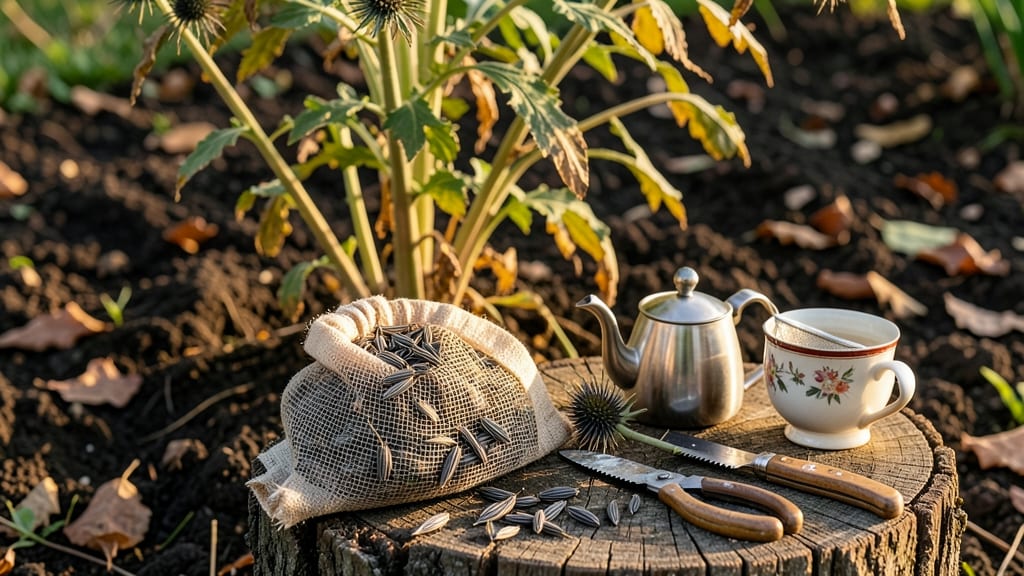
Brewing milk thistle seed tea from your own garden cuts costs and boosts potency. 🌿 The spiky purple flowers of this hardy perennial yield seeds packed with silymarin, a compound that may support liver health and reduce inflammation when steeped properly.
Harvesting is simple: let the flower heads dry completely on the plant, then collect seeds in a paper bag. A standard dose uses 1 teaspoon of seeds per cup, simmered for 10-15 minutes. The tea tastes bitter—mix with honey if you prefer—but that bitterness is where the benefits hide.
You'll notice the earthy aroma and slightly nutty aftertaste, a sign the silymarin is releasing. Regular brewing may help with digestion and liver function, though results vary. Always start with small doses to test tolerance.
Grow your own plants in full sun with well-draining soil, and you'll have a renewable supply. Just avoid areas where children or pets might accidentally ingest the seeds—safety first with any herbal remedy.
📚 In This Guide
- What you need
- Instructions
- Tips and common mistakes
- Wrapping up and next steps
What you need
- ● Milk thistle seeds (Silybum marianum): 1–2 teaspoons (3–6 grams) per cup of tea (adjust to taste—this herb is bitter!)
- ● Opt for organic, whole seeds or cut-and-sifted for faster steeping. Avoid pre-ground powder unless specified.
- ● Hot water: 1 cup (8 oz / 240 mL) per serving
- ● Temperature: 195–205°F (90–96°C) (just off boil for optimal extraction).
- ● Tea infuser or fine-mesh strainer: Metal or silicone infuser (for loose seeds) or a cheesecloth lined with a strainer.
- ● No infuser? A clean coffee filter works in a pinch!
- ● Tea mug or heat-resistant cup: Ceramic, glass, or stainless steel (avoid plastic—it can leach chemicals when hot).
- ● Timer: Steeping milk thistle requires 10–15 minutes for full potency.
- ● Sweetener (if needed): Raw honey (1 tsp), maple syrup, or stevia (to balance bitterness).
- ● Pro tip: Add sweetener after steeping to preserve milk thistle’s benefits!
- ● Flavor boosters: Pinch of cinnamon, ginger, or a slice of lemon (adds warmth and reduces bitterness).
- ● Storage container: Air-tight jar for leftover seeds (keep in a cool, dark place for up to 2 weeks).
Step-by-step instructions for brewing milk thistle seed tea
Here's how to make a potent, liver-supportive tea at home—simple steps for maximum benefits.
🌱 Step 1: Dry and Lightly Toast the Seeds
Spread 1 tablespoon of milk thistle seeds on a baking sheet lined with parchment paper. Place them in a 200°F oven for 5-10 minutes until they become fragrant and slightly aromatic—this enhances their flavor and reduces bitterness. Stir halfway through to ensure even toasting.
Watch closely after 5 minutes; seeds toast quickly and can burn easily. You'll know they're ready when they smell nutty and dry to the touch. Let them cool completely before proceeding—warm seeds release oils too quickly, which can make the tea overly bitter.
☀️ Step 2: Steep in Hot (Not Boiling) Water
Place the toasted seeds in a heatproof teapot or infuser. Pour 2 cups of freshly boiled water over them and let it steep for 10-15 minutes. The water should be just off the boil—195-205°F—to preserve delicate compounds without burning them.
Cover the pot loosely to retain heat while allowing some steam to escape. You'll see the water turn a pale golden color as the seeds release their silymarin and antioxidants. If you prefer a stronger brew, steep for the full 15 minutes; for a milder taste, remove after 10.
💧 Step 3: Strain and Sweeten (Optional)
Strain the seeds through a fine-mesh sieve or cheesecloth into a cup. Discard the seeds—they've given up their medicinal properties. For a smoother taste, add a touch of honey or a squeeze of lemon, but avoid sugar, which can reduce the tea's benefits.
Real talk: Milk thistle tea is naturally bitter, so don't be surprised if it takes getting used to. Start with small sips to let your palate adjust. If the bitterness is overwhelming, try adding a pinch of cinnamon or a dash of apple cider vinegar to balance the flavor without masking the benefits.
⏰ Step 4: Store and Consume for Best Results
Drink the tea immediately for the freshest flavor and highest potency. If you need to store it, keep it in the refrigerator for up to 24 hours in an airtight container. Reheat gently before drinking—microwaving can degrade the active compounds.
For liver support, aim for 1 cup daily, preferably in the morning or before meals. Consistency matters more than quantity. You'll notice the tea's earthy, slightly nutty aroma—this is your cue that the beneficial compounds are intact and ready to work.
Tips & tricks for perfect milk thistle seed tea
Toasting and steeping are where the magic happens—and these small details make all the difference.
Toast with Precision: The 5-10 minute toasting window at 200°F is your sweet spot. Set a timer and stir at the 5-minute mark—this prevents hot spots that can burn the seeds. I learned this the hard way after ruining a batch with uneven toasting. The goal is nutty aroma without charring. If your oven runs hot, reduce to 190°F to avoid over-toasting.
Steep Temperature Matters: That 195-205°F water range isn't just arbitrary—it preserves the silymarin compounds while preventing bitterness. Use a thermometer if possible, or let boiled water sit for 1-2 minutes before pouring. Overly hot water (212°F) destroys delicate antioxidants, while cooler water (below 195°F) won't extract enough flavor. The pale golden hue is your visual cue for success.
Storage Wisdom: The 24-hour fridge storage limit is strict—after that, the tea's potency drops significantly. Store in a glass container (plastic can absorb flavors) and cover with parchment paper to prevent oxidation. For longer storage, freeze the tea in ice cube trays—thaw individual cubes as needed. Microwaving is a no-go; reheat gently on the stovetop or in a bowl of warm water instead.
Flavor Balancing: Milk thistle tea's bitterness is unavoidable but manageable. Start with just 1 teaspoon of honey or lemon per cup—too much sweetness masks the liver-supporting compounds. For a herbal twist, add a sprig of fresh mint during steeping (remove before drinking). Cinnamon works wonders too—just a pinch is enough to transform the earthy flavor without overpowering.
Pro Tips for Milk Thistle Seed Tea
- Toasting and steeping are where the magic happens—and these small details make all the difference.
- Toast with Precision: The 5-10 minute toasting window at 200°F is your sweet spot.
- Steep Temperature Matters: That 195-205°F water range isn't just arbitrary—it preserves the silymarin compounds while preventing bitterness.
Frequently asked questions
Got questions about brewing and enjoying milk thistle seed tea?
Here are answers to the most common ones—so you can sip with confidence!
How long should I steep milk thistle seeds to get the best flavor and benefits?
Steep milk thistle seeds for 10–15 minutes in hot (not boiling) water to extract antioxidants like silymarin without bitterness. For stronger tea, simmer gently for up to 20 minutes—just strain well! Oversteeping can make it overly bitter, so start with 10 minutes if you're sensitive to strong flavors.
Can I drink milk thistle seed tea daily, and what’s the ideal amount?
Yes! Many people drink it daily, but start with 1–2 cups per day (about 1–2 tsp seeds per cup). Since it’s a supplement, check with a healthcare provider if you’re on medications (like blood thinners) or pregnant. Consistency matters—aim for 4+ weeks to notice liver-support benefits.
What’s the best way to reduce the bitter taste of milk thistle tea?
Bitterness is natural, but you can soften it by:
- Adding honey or maple syrup (1 tsp per cup).
- Mixing with chamomile or peppermint tea (equal parts).
- Using cold-brewed tea (steep seeds in cold water overnight).
- Avoiding boiling water—use water just off the boil (195°F/90°C).
Are there any side effects or risks I should know about?
Milk thistle is generally safe, but rare side effects may include:
- Mild digestive upset (nausea, diarrhea).
- Allergic reactions (rash, itching—stop use if this occurs).
- Hormonal effects (theoretical; avoid if pregnant or breastfeeding).
If you have gallbladder issues, consult a doctor—it may stimulate bile flow. Always buy organic, food-grade seeds to avoid contaminants.
Can I use milk thistle seed tea as a substitute for supplements?
Yes! Tea is a natural, whole-food alternative to silymarin capsules, but potency varies. For liver support, tea is gentler and may be better for daily use. However, if you need high-dose silymarin (e.g., for hepatitis), supplements are more concentrated. Combine both for synergy—just monitor how your body responds!
Wrapping up and next steps
Milk thistle seed tea isn’t just a bitter brew—it’s a natural ally for liver health, packed with silymarin to fight inflammation and support detoxification. Whether you’re sipping it for wellness or recovery, this humble tea offers a simple, plant-powered boost without the harshness of synthetic supplements.
Ready to give your liver some love? Start small—brew a cup this week and notice how your body responds! 🌱
Next step: Keep exploring herbal remedies or consult a healthcare provider to tailor your wellness journey. Your liver (and taste buds!) will thank you. ☕✨