
Lawn
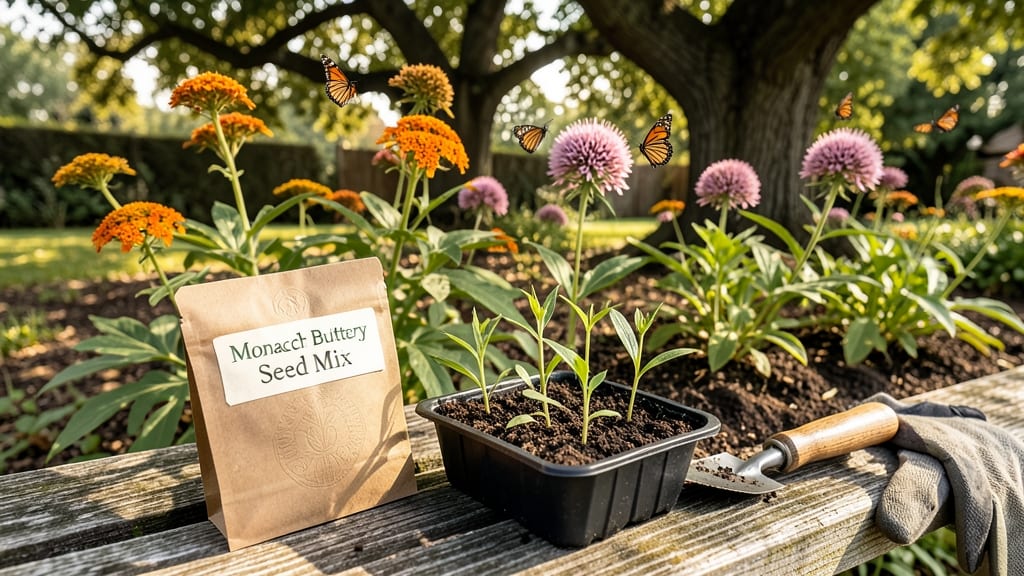
A monarch butterfly seed mix transforms your yard into a vibrant pollinator haven. 🌼 These specialized blends pack nectar-rich annuals and perennials that monarchs can't resist, creating a living highway for their migration.
I planted mine last spring, and within weeks, my garden became a fluttering hotspot with orange wings everywhere.
The secret lies in the right combination: milkweed for caterpillars, coneflowers for nectar, and black-eyed Susans for late-season blooms. You'll need full sun (6+ hours daily), well-draining soil, and regular watering until established.
Most mixes include easy-to-grow annuals like cosmos and zinnias that bloom nonstop, ensuring food sources from spring through fall.
By summer, you'll watch caterpillars munching on fresh milkweed leaves while adult butterflies sip nectar from your blooms. The garden stays colorful even when other plants fade, and you'll notice more bees and hummingbirds too. Just avoid pesticides - these plants attract beneficial insects that help control pests naturally.
This works in containers, borders, or meadow-style plantings. For colder climates, choose perennial varieties that return yearly. The best part? Every seed packet you plant helps monarch populations recover. Let's get those wings visiting your yard!
📚 In This Guide
- What you need
- Instructions
- Tips and common mistakes
- Wrapping up and next steps
What you need
- ● Native wildflower seeds: 50% Asclepias (milkweed) seeds – 1–2 lbs (critical for monarch caterpillars!)
- ● 30% nectar-rich blooms (e.g., Liatris, Echinacea, Rudbeckia) – ½–1 lb
- ● 20% filler seeds (e.g., Coreopsis, Salvia) – ¼–½ lb
- ● High-quality potting soil or native soil mix – 1–2 cubic yards (depending on planting area)
- ● Compost or organic fertilizer – 1–2 cups per 10 sq ft (boosts nutrient absorption)
- ● Watering can or hose with a gentle spray nozzle
- ● Gloves and knee pads (for easy handling and comfort!)
- ● Slow-release fertilizer granules – 1 cup per 25 sq ft (extends bloom time)
- ● Mulch (straw or wood chips) – 2–3 inches thick (retains moisture)
- ● Seed tape or biodegradable mesh – For easier planting in windy areas
- ● Pollinator-friendly companion plants (e.g., Goldenrod, Joe-Pye Weed) – 5–10 plants
- ● Bird feeder or bat house – Encourages natural pest control! 🦋
Step-by-step guide to planting a monarch butterfly seed mix
Here's how to create a thriving pollinator haven that keeps monarchs visiting all season long.
🌱 Step 1: Prepare the Planting Site for Maximum Impact
Choose a sunny location that receives at least 6-8 hours of direct sunlight daily. Monarchs need warmth to thrive, so avoid shady spots where milkweed and nectar plants won't establish properly. Clear the area of weeds and loosen the top 6 inches of soil with a garden fork or tiller to improve drainage and root penetration.
If your soil feels compacted or heavy, mix in 2-3 inches of compost to enrich it naturally. Monarchs prefer well-draining soil, so avoid planting in low-lying areas where water pools. The ideal site should have good airflow to prevent fungal diseases that can weaken plants.
🌿 Step 2: Scatter Seeds for Natural Pollinator-Friendly Growth
Spread the monarch butterfly seed mix evenly across the prepared area, aiming for about 1/4 cup per 10 square feet. Lightly rake the seeds into the soil with your fingers or a small rake, pressing them just enough to ensure good soil contact without burying them too deeply. Seeds need light to germinate, so avoid covering them with more than 1/4 inch of soil.
For best results, plant in early spring or late summer when temperatures are mild. You'll see the first seedlings emerge in 10-20 days if conditions are right. Water gently after planting to settle the seeds into place, but avoid creating a muddy surface that can wash them away.
☀️ Step 3: Maintain Moisture and Watch for Early Growth
Keep the soil consistently moist but not soggy for the first 4-6 weeks after planting. Water deeply 2-3 times per week until you see the first true leaves appear. Monarchs rely on healthy milkweed and nectar plants, so proper watering is critical during establishment.
Once seedlings reach 2-3 inches tall, reduce watering to once per week unless your area experiences extreme heat. You'll notice the plants begin to fill in and create a lush, layered habitat. This is when monarchs will start visiting—look for them in 4-6 weeks after germination.
✂️ Step 4: Encourage Continuous Blooms for Year-Round Visitors
Deadhead spent blooms regularly to encourage new flower production throughout the growing season. Simply pinch off faded flowers with your fingers or use small pruning shears. This simple step keeps plants flowering continuously, which is essential for attracting monarchs during their migration periods.
In late summer, allow some flowers to seed naturally to provide food for overwintering monarchs. You'll see an increase in butterfly activity as they prepare for their journey south. A well-maintained monarch garden becomes a vital stopover point in their annual migration cycle.
Tips & tricks for planting a monarch butterfly haven
Creating a thriving monarch habitat takes thoughtful planning—here’s how to maximize your garden’s impact from the start.
Site Selection Wisdom: While the instructions emphasize sunlight, I can’t stress enough how crucial wind direction is for monarchs. Plant your garden on the south or southwest side of structures or fences to create a sheltered microclimate. Monarchs need protection from strong winds during nectaring, and this positioning also warms up faster in morning sunlight—critical for their early-season activity.
Soil Preparation Secret: The instructions mention compost, but here’s the pro move: mix in 1 part sand for every 3 parts compost if your soil is naturally dense. This improves aeration without overwhelming the native soil structure. I’ve seen milkweed roots struggle in pure compost blends that don’t allow proper drainage—monarch caterpillars are particularly sensitive to soggy conditions.
Timing Technique: Those 10-20 days to germination can feel like forever, but here’s how to speed things up: water the soil 1 hour before planting to help seeds make immediate contact with moisture. Then, cover the area with a thin layer of straw mulch (just 1/4 inch) to retain humidity. This simple step can cut your wait time by 3-5 days while preventing crusting that blocks light.
Watering Watch: The 2-3 times per week guideline works for average conditions, but check moisture by the 2-inch rule: stick your finger 2 inches deep—if it feels dry, water. Overwatering is the #1 killer of young milkweed plants, which are prone to fungal issues. I’ve lost entire patches by ignoring this simple test during rainy springs.
Pro Tips for Monarch Butterfly Seed Mix
- Creating a thriving monarch habitat takes thoughtful planning—here’s how to maximize your garden’s impact from the start.
- Site Selection Wisdom: While the instructions emphasize sunlight, I can’t stress enough how crucial wind direction is for monarchs.
- Soil Preparation Secret: The instructions mention compost, but here’s the pro move: mix in 1 part sand for every 3 parts compost if your soil is naturally dense.
Frequently asked questions
Got questions about creating the perfect monarch butterfly haven?
Here are some of the most common queries—and answers—to help you get started with your monarch butterfly seed mix like a pro!
What’s the best time of year to plant monarch butterfly seeds?
For most regions, plant your seed mix in early spring (just after the last frost) or late summer (6-8 weeks before the first frost). Monarchs need time to establish nectar sources for their migration. In warmer climates, you can plant year-round, but avoid extreme heat or cold. Pro tip: Check your local frost dates to align with monarch migration schedules!
Can I use a monarch butterfly seed mix in containers or small spaces?
Containers, window boxes, and even vertical gardens work great for monarchs. Use well-draining soil and ensure pots are at least 6-8 inches deep. Opt for compact varieties like milkweed (Asclepias curassavica) or coneflower (Echinacea). Place containers in sunny spots to maximize nectar production. Bonus: Hanging baskets with lantana add a pollinator magnet!
Why aren’t monarchs visiting my flowers after planting?
Patience is key! Monarchs may take 2-4 weeks to discover new food sources. Ensure your plants are blooming (some mixes take time to mature). Avoid pesticides—even natural ones—and provide a shallow water source (like a muddy puddle or damp sand). If flowers aren’t attracting them, try adding bee balm or zinnia, which are monarch favorites.
Are there alternatives to commercial monarch butterfly seed mixes?
Yes! DIY blends work too. Combine native milkweed (host plant for larvae) with nectar-rich flowers like black-eyed Susan, butterfly weed, or goldenrod. Check local native plant nurseries for region-specific seeds. Avoid non-native invasives (e.g., tropical milkweed can harbor parasites). Pro move: Partner with a local conservation group for seed recommendations!
How do I protect monarch caterpillars from predators after planting?
Monarch caterpillars are vulnerable to birds, ants, and other insects. Plant milkweed in clusters to deter predators. Use fine mesh netting over young plants until caterpillars pupate. Avoid overwatering (which attracts slugs) and handpick pests like aphids. Fun fact: Ladybugs are natural predators of aphids—invite them with dill or fennel!
Wrapping up and next steps
Creating a monarch butterfly seed mix is a rewarding way to support pollinators and beautify your garden! 🌸 With the right nectar-rich flowers—like milkweed, coneflowers, and black-eyed Susans—you’ll provide a banquet for monarchs and other beneficial insects all year.
Whether you’re a seasoned gardener or just starting, every seed planted makes a difference.
Ready to take the next step? Start small—even a 5x5-foot patch can attract butterflies. Grab your seed mix, find a sunny spot, and watch your garden transform into a buzzing, fluttering paradise! 🌿