
Flowers
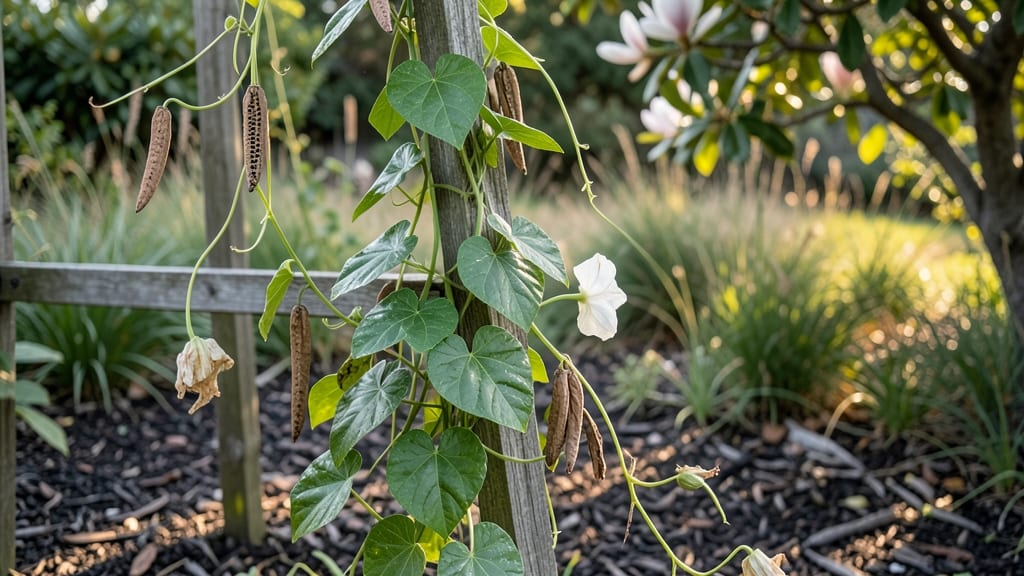
Moonflower seed pods hold the secret to next year’s magical night-blooming vines. 🌙 Harvesting them at the right time and drying them properly ensures you’ll have fresh seeds for planting—no store-bought substitutes needed.
I’ve learned the hard way that rushing this step means lower germination rates, so patience pays off when those silvery blooms reappear in your garden.
The process starts with ripe pods—wait until they turn brown and papery, then snip them carefully to avoid damaging the seeds inside. Spread them in a single layer on a mesh screen or paper towel in a warm, dry spot (like a sunny windowsill or well-ventilated room).
Proper airflow is key, so avoid plastic bags or sealed containers. Within 2-3 weeks, the pods will crumble, releasing the flat, dark seeds ready for storage.
Once dried, store the seeds in an airtight container with a moisture absorber (like silica gel or a silica packet) in a cool, dark place. They’ll stay viable for 3-5 years, though planting them fresh yields the best results.
When spring rolls around, soak the seeds overnight to soften the hard outer shell—this simple trick boosts germination rates from 50% to nearly 90%.
Moonflowers thrive in warm climates but can be grown as annuals in cooler zones with a late-spring planting. Give them full sun, well-draining soil, and a sturdy trellis—their rapid growth and dramatic blooms make the effort worth every second.
Troubleshooting slow germination? Check seed freshness and soil moisture; these vines reward patience with stunning nighttime displays that hummingbirds adore.
📚 In This Guide
- What you need
- Instructions
- Tips and common mistakes
- Wrapping up and next steps
What you need
- ● Moon flower seed pods: 5–10 fully mature, brown, and slightly papery pods (harvest when they’re dry but still intact).
- ● Sharp pruning shears or scissors: For cleanly snipping pods from the vine.
- ● Paper towels or newspaper: 2–3 sheets to line a drying tray.
- ● Small cardboard box or mesh bag: For storing pods during drying (ensure good airflow!).
- ○ Desiccant (optional but helpful):strong> A small packet of silica gel or uncooked rice (to absorb excess moisture).
- ● Pencil or toothpick: For gently prodding open dried pods to release seeds.
- ● Small envelope or airtight container: For long-term seed storage (e.g., a ziplock bag with a moisture absorber).
- ● Fine-mesh strainer or sifter: To separate seeds from chaff after drying.
- ● Labeling tape & marker: To tag your seed container with the harvest date.
- ○ Humidity monitor (optional): Ideal for tracking drying conditions (aim for <20% humidity).
- ● Heat source (low & indirect): Like a sunny windowsill or dehumidifier (avoid direct heat!).
How to dry moon flower seed pods for maximum viability
Preserving moon flower seeds is easier than you think—just follow these steps to ensure long-term storage success.
🌿 Step 1: Harvest Pods at Peak Maturity
Wait until the moon flower seed pods turn a deep brown and begin to split open naturally—this usually happens in late summer or early fall. The pods should feel dry to the touch and make a slight papery sound when gently tapped. Harvest on a dry, sunny morning when humidity is low, as damp pods will mold during drying.
Use clean, sharp pruning shears to snip the pods directly from the stem, leaving a small portion of the stem attached. This helps prevent damage to the delicate pods. Place them in a single layer on a clean, dry surface—crowding them will trap moisture and slow drying.
💧 Step 2: Air-Dry Pods in a Controlled Environment
Find a warm, dry spot with good airflow—an indoor windowsill or a well-ventilated porch works perfectly. Avoid direct sunlight, which can overheat the pods and cause them to crack prematurely. A temperature between 65-75°F and 40-50% humidity is ideal for even drying.
Spread the pods out on a mesh screen or a piece of paper towel to allow air to circulate on all sides. Check them every 2-3 days—they’re ready when the pods are completely dry and brittle, and the seeds inside rattle when shaken. If the pods still feel slightly damp, give them another day or two.
⏰ Step 3: Crack Open Pods and Extract Seeds
Once fully dry, gently crack open each pod with your fingers or a small hammer to release the seeds. Avoid crushing the pods, as this can damage the seeds inside. Place the seeds in a clean, dry container—glass jars or paper envelopes work well for storage.
Remove any debris or chaff by sifting the seeds through a fine mesh screen. This ensures only the best-quality seeds are saved for planting. Label the container with the date and variety to track freshness—moon flower seeds remain viable for 2-3 years when stored properly.
🪴 Step 4: Store Seeds for Long-Term Viability
Place the dried seeds in an airtight container, such as a glass jar or sealed envelope, and store them in a cool, dark place. A refrigerator or freezer works best for extending shelf life. Moisture and light are the enemies of seed viability, so keep the container tightly sealed to prevent exposure.
Check the seeds annually to ensure they remain dry and free of mold. If stored correctly, you’ll have healthy moon flower seeds ready for next season’s garden. The key is patience—proper drying and storage mean the difference between viable seeds and wasted effort.
Tips & tricks for perfectly preserved moon flower seed pods
Here's what nobody tells you about making your moon flower seed preservation foolproof—these are the details that separate good seeds from seeds that'll actually sprout next year.
Harvest Timing Secret: The 2-3 day window between when pods turn deep brown and when they split open is critical. If you harvest too early, seeds aren't fully mature; too late, and they'll scatter on their own. I've learned this the hard way—wait until you see those telltale cracks before harvesting. Also, always harvest in the morning after dew has evaporated, as damp pods will mold during drying.
Drying Environment: That 65-75°F range isn't just arbitrary—it's the Goldilocks zone for seed viability. Too hot and pods crack; too cool and they'll never fully dry. I use a mesh screen over my kitchen sink for airflow, but avoid direct sunlight which can overheat. A small fan on low setting can help maintain even drying if your space is humid. The key is consistency: check pods every 2-3 days by giving them a gentle shake—they should rattle like maracas when fully dry.
Storage Wisdom: Once seeds are extracted, the real battle against moisture begins. I've found that placing a small silica gel packet in your storage container (like the ones that come with electronics) can absorb any residual moisture that might develop over time. For long-term storage beyond 2-3 years, consider vacuum-sealing the seeds—this removes all oxygen, which is what causes seeds to degrade. Just remember to label everything with the date and variety, because nothing's more frustrating than opening a jar of mystery seeds years later.
Pro Tips for Moon Flowers Seed Pods
- Here's what nobody tells you about making your moon flower seed preservation foolproof—these are the details that separate good seeds from seeds that'll actually sprout next year.
- Harvest Timing Secret: The 2-3 day window between when pods turn deep brown and when they split open is critical.
- Drying Environment: That 65-75°F range isn't just arbitrary—it's the Goldilocks zone for seed viability.
Frequently asked questions
How long do moon flower seed pods take to fully dry?
Moon flower seed pods typically take 10–14 days to fully dry indoors under ideal conditions (60–70°F with good airflow). If pods feel papery and seeds rattle inside, they’re ready! Humid climates may extend drying time—consider a dehydrator (set to 95°F) for faster results.
Can I dry moon flower seed pods outside?
Outdoor drying is possible but riskier due to moisture, pests, or rain. If you choose this method, hang pods in a shady, well-ventilated spot (like a mesh bag) and monitor daily. Avoid direct sunlight—it can overheat seeds and reduce viability. A covered porch or garage works best!
What’s the best way to store dried moon flower seeds long-term?
Store seeds in a cool (50–60°F), dark, and dry environment (like a sealed glass jar or airtight container with silica gel packets). Label with the drying date—most seeds stay viable for 2–3 years. Avoid refrigeration unless humidity is high in your area.
My moon flower pods mold before drying—what went wrong?
Mold usually means high humidity or poor airflow. Fix it by:
- Moving pods to a dry, well-ventilated area (e.g., near a fan or open window).
- Using a dehumidifier if your home is damp.
- Discarding moldy pods immediately—mold can spread to healthy seeds.
Are there alternatives if my moon flower pods won’t open naturally?
If pods resist opening, try these gentle methods:
- Freeze them: Place pods in a sealed bag in the freezer for 24 hours, then thaw. The temperature change often loosens seeds.
- Rub gently: Use a clean cloth to massage the pod—seeds may pop out.
- Cut open carefully: Use sterilized scissors to slice along the seam (avoid damaging seeds).
Wrapping up and next steps
Moon flower seed pods are nature’s delicate time capsules—packed with potential for future blooms if stored correctly! By following the right drying techniques, you’ll preserve their viability and unlock a world of easy, low-cost gardening.
Whether you’re a seasoned grower or a curious beginner, every seed saved is a step toward a greener tomorrow.
Ready to turn your dried pods into a thriving garden? Start small—try drying just a few pods this season, then expand your collection next year. Happy growing! 🌙🌱