
Lawn
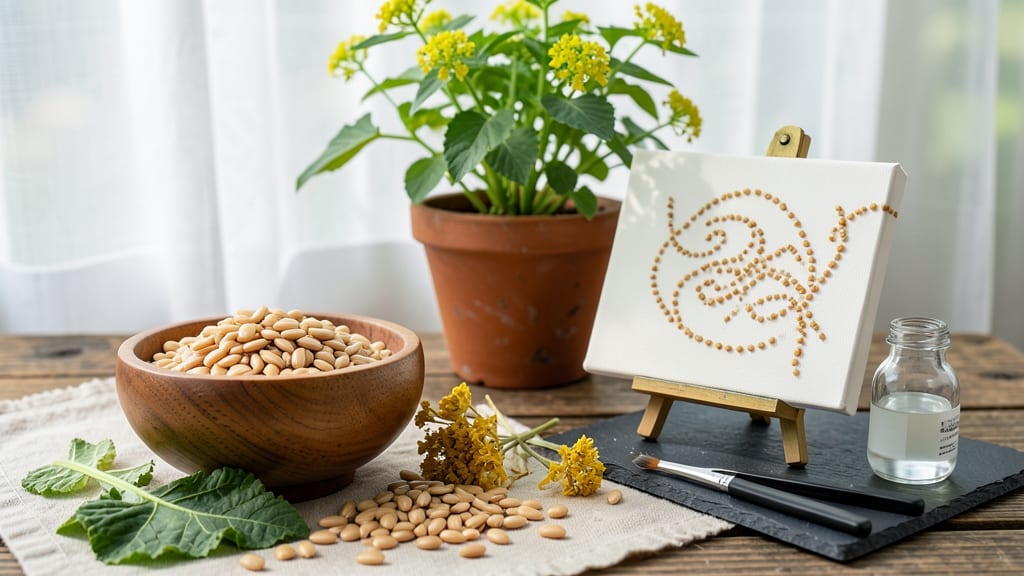
Transforming your garden into a mustard seed art canvas starts with those tiny yellow bursts that create whimsical patterns even when they’re not in bloom. 🌱 I’ve used them to spell out names, draw geometric designs, and frame pathways, and the best part?
The seeds stay visible all year, even after the flowers fade.
The magic is in the prep: press seeds into damp soil or a seed-based clay mix, then outline with rocks or mulch to keep them in place. Pair them with low-growing perennials like creeping thyme or moss for extra texture, and your design will stay sharp for seasons.
No fancy tools needed—just patience and a steady hand.
By late spring, you’ll have a garden that looks like it was painted with sunshine, but with the bonus of pollinators flocking to the blooms. The patterns hold up through rain and snow, making this one of those projects that keeps giving long after you’re done.
Works in flowerbeds, between stepping stones, or even as edging for raised beds. Let’s turn your yard into an ever-changing masterpiece!
📚 In This Guide
- What you need
- Instructions
- Tips and common mistakes
- Wrapping up and next steps
What you need
- ● Mustard seeds: Choose Brassica juncea (yellow mustard) or Sinapis alba (white mustard) for vibrant blooms. Aim for 1–2 pounds (or ~1 cup) per 100 sq. ft. of design space.
- ● Garden soil: Well-draining, loamy soil (amend with compost if needed). 1–2 cubic yards for a 10’x10’ area.
- ● Watering can or hose: With a fine mist setting for gentle seed dispersal.
- ● Stencil or template: Use cardboard, plastic sheeting, or a reusable vinyl stencil for crisp designs (e.g., flowers, animals, or geometric patterns).
- ● Ruler or measuring tape: For precise seed spacing (aim for ¼–½ inch apart for dense coverage).
- ○ Gloves (optional): To keep hands clean while handling seeds or soil.
- ● Seed mix: Combine mustard seeds with fast-growing alyssum or clover for texture and color contrast.
- ● Natural dyes: Turmeric (for yellow) or beet juice (for pink) to tint seeds for themed designs (e.g., Easter eggs or holidays).
- ● Edging tools: A plastic knife or string trimmer to define borders neatly.
- ● Photography setup: A tripod or phone stand to capture your art’s blooming progress!
Instructions for creating mustard seed art patterns
Turn your garden into a living canvas with these easy steps—no artistic skill needed!
🌱 Step 1: Design Your Pattern and Prepare the Base
Sketch your design on paper first. Mustard seeds create bold, contrasting patterns when planted in geometric shapes or freehand curves. I like to use graph paper to map out simple shapes like circles, squares, or even tiny animals—just outline them with a pencil. For a 4-pattern project, plan designs that fit on a 4' x 4' area of lawn or garden bed.
Clear the area of grass or weeds, then lightly rake the soil to create a smooth, even surface. Press down any remaining debris so it doesn’t interfere with your seed placement. This step ensures your design stays crisp and visible once the seeds germinate. A dampened sponge helps smooth out rough spots—just run it lightly over the area.
💧 Step 2: Plant the Seeds for High-Contrast Patterns
Mustard seeds create striking black-and-white (or yellow-and-green) effects when planted in contrasting clusters. For a 4-pattern project, divide your seeds into two groups: one for the "dark" areas (full coverage) and one for the "light" areas (sparse scattering). Use a toothpick or small stick to poke tiny holes—about ¼ inch deep—along your pencil lines. Drop 2-3 seeds per hole for dense coverage.
For lighter areas, sprinkle seeds sparingly—just enough to create a subtle texture. Press them gently into the soil with your finger or the back of a spoon. Avoid overwatering now; you only need to moisten the soil enough to help the seeds settle. A light misting from a spray bottle works best. This prevents seeds from washing away before germination.
☀️ Step 3: Water and Maintain for Year-Round Visibility
Water the area lightly but evenly for the first 7-10 days until you see tiny green sprouts appear. Mustard seeds germinate quickly in warm soil (60-75°F), so keep the area consistently moist but not soggy. A drip irrigation line or soaker hose makes this easy—just run it along the edges of your design for 10-15 minutes daily.
Once the seeds sprout, water less frequently—about 2-3 times per week—unless your area experiences extreme heat or drought. Mustard plants are drought-tolerant once established, but they’ll stay vibrant and visible longer if you keep them slightly hydrated. Avoid walking on the patterns until the plants reach 2-3 inches tall to prevent disturbing the delicate seedlings.
⏰ Step 4: Enjoy and Refresh as Needed
Your mustard seed art will bloom in 2-3 weeks, creating a striking contrast against the green lawn or garden bed. The flowers add a pop of yellow, but even when they fade, the foliage remains visible for months. To keep the patterns looking fresh, mow or trim the area when the plants reach 4-6 inches tall. This encourages new growth and maintains the design’s sharpness.
For a year-round effect, replant seeds every 4-6 weeks in the same spots. The overlapping growth ensures your patterns stay visible without gaps. I like to mark the edges of my designs with small landscape flags or pebbles to keep them aligned for future replanting. This way, your garden art stays whimsical and ever-changing!
Tips & tricks for perfect mustard seed patterns
Here's what I've learned after creating these designs in my own garden—tricks that'll keep your patterns sharp and vibrant.
Design Tip: For sharper edges in Step 1, use a ruler or straightedge to draw your pencil lines. This creates cleaner transitions between dark and light areas once the seeds grow. I also recommend using a white crayon instead of pencil—it shows up better on grass and washes away easily after planting. This helps you visualize the final look before committing to the soil.
Planting Strategy: In Step 2, when creating those "dark" areas with 2-3 seeds per hole, pack the seeds tightly together. For the "light" areas, try scattering seeds in a crisscross pattern instead of randomly—this creates a more intentional texture that looks like a deliberate design rather than an accident. A fine-mesh strainer helps distribute seeds evenly for those lighter sections.
Watering Wisdom: The 7-10 day watering window in Step 3 is critical—don't skip it! I've found that using a spray bottle with a fine mist setting gives you better control than a hose. Water just until the surface soil is damp (about 1/4 inch deep), then stop. Overwatering can wash seeds away before they sprout, while underwatering prevents germination. A good test: press your finger into the soil—it should feel moist but not wet.
Maintenance Hack: For that 4-6 inch trim in Step 4, I use a string trimmer with a weed-eating blade instead of a lawnmower. It gives you more precision to follow the pattern edges without accidentally cutting into the design. Just be sure to trim when the plants are dry—wet foliage sticks to the trimmer and can clog it.
Pro Tips for Mustard Seed Art
- Here's what I've learned after creating these designs in my own garden—tricks that'll keep your patterns sharp and vibrant.
- Design Tip: For sharper edges in Step 1, use a ruler or straightedge to draw your pencil lines.
- Planting Strategy: In Step 2, when creating those "dark" areas with 2-3 seeds per hole, pack the seeds tightly together.
Frequently asked questions
What’s the best time of year to plant mustard seed art?
For vibrant, year-round blooms, plant in early spring (after the last frost) or late summer (6–8 weeks before the first frost). Mustard seeds germinate quickly in cool weather, so avoid planting when temperatures exceed 85°F (29°C). Pro tip: Use a seedling heat mat if your spring is chilly!
How long does mustard seed art last before it fades?
With proper care, your designs can last 6–12 months, though color intensity fades faster in hot sun or heavy rain. For longer-lasting art, choose darker seed varieties (like black mustard) and reapply a light sealant (like diluted hairspray) every 2–3 months. Mulch around edges to protect seeds from erosion!
Can I use mustard seeds for art in containers or hanging planters?
Mustard seeds thrive in shallow containers (like window boxes or vertical gardens) and even hanging baskets. For hanging designs, use a lightweight growing medium (like coconut coir) and secure seeds with a biodegradable adhesive (like flour paste). Just ensure drainage holes are present to prevent root rot.
What if my mustard seed art grows unevenly or sprouts too fast?
Uneven growth often happens if seeds aren’t pressed firmly into the soil or if moisture levels vary. To troubleshoot:
- Thin seedlings gently with scissors once they’re 2–3 inches tall.
- Water consistently (keep soil moist but not soggy).
- Use a slow-release fertilizer to promote steady growth.
Are there alternatives to mustard seeds for seed-based art?
If mustard seeds aren’t your style, try these low-maintenance, colorful alternatives:
Seed Type
Color
Best For
Cosmos seeds
Pink/white
Long-lasting blooms, drought-tolerant
Lavender seeds
Purple
Fragrant, attracts pollinators
Nasturtium seeds
Orange/red
Edible flowers, fast-growing
Wrapping up and next steps
Transforming your garden into a living canvas with mustard seed art is a rewarding way to add color, creativity, and seasonal joy to your outdoor space. Whether you’re a seasoned gardener or a beginner, these vibrant patterns bring nature’s whimsy to life—year after year! 🌿✨
Ready to turn your lawn into a masterpiece? Start small with a single design, experiment with shapes, and let your imagination grow. Grab your seeds, sketch your vision, and watch your garden bloom with artistry! What will you create next?