
Size
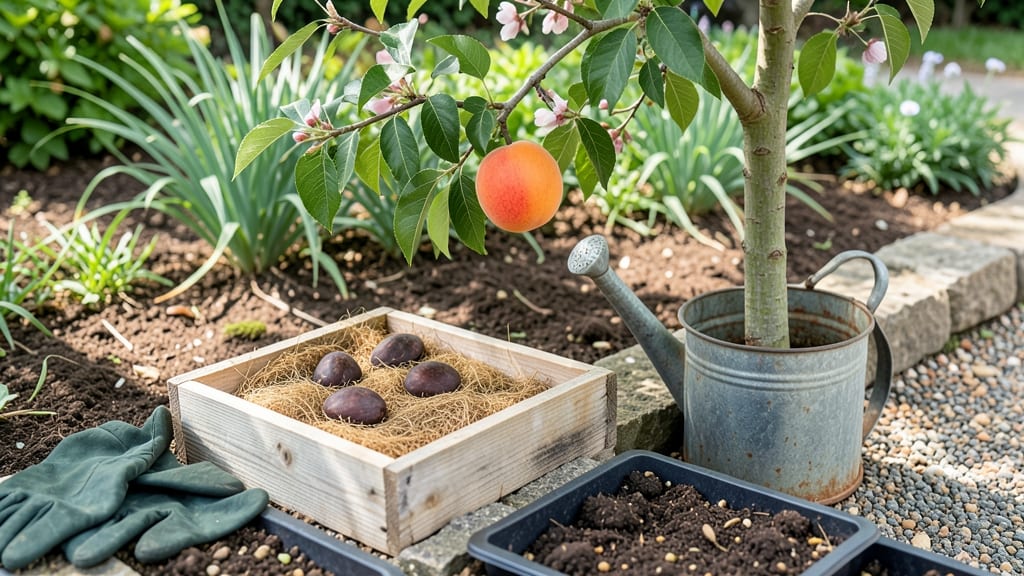
Growing nectarines from seed is the gardener's patience test—and the reward might surprise you. 🌱 The process starts with a single pit from your favorite fruit, but don't expect commercial-quality nectarines.
Most homegrown trees produce small, tart fruit, but the journey itself is pure magic: watching a seedling transform into a tree with delicate blossoms. The real challenge is germination. Nectarine seeds need cold stratification—mimicking winter—to break dormancy.
After 3 months in the fridge, you'll plant them in well-draining soil, about 1 inch deep, and wait for those first green shoots. Sunlight becomes critical as they grow, with 6-8 hours daily ensuring strong stems and lush leaves.
By year two, you'll have a small tree with its first blossoms—though fruit may take 3-5 years. The trees stay compact, perfect for small gardens, but remember: seed-grown nectarines are more about beauty and the thrill of growing fruit from scratch than commercial harvests.
Every gardener should try it at least once.
📚 In This Guide
- What you need
- Instructions
- Tips and common mistakes
- Wrapping up and next steps
What you need
- ● Nectarine seeds: 3–5 fresh, plump seeds (harvested from ripe, organic nectarines—avoid store-bought varieties if possible, as they may not grow true to type).
- ● Small pots or seed trays: 2–3 (4–6 inches deep) with drainage holes, or a shallow container with a mesh cover.
- ● Well-draining potting mix: 1–2 bags of seed-starting mix or a blend of 50% peat moss and 50% perlite or vermiculite.
- ● Plastic wrap or humidity dome: To maintain moisture during germination.
- ● Spray bottle: For gentle watering (avoid over-saturating the soil).
- ● Grow lights or sunny windowsill: A bright spot with indirect light (or a 12–16 hour light cycle for optimal growth).
- ● Pruning shears: For trimming seeds (if needed) or later shaping the sapling.
- ○ Heat mat (optional): Speeds up germination (70–80°F is ideal).
- ● Fertilizer (balanced, 10-10-10 or organic): A tiny pinch (¼ tsp) once seedlings sprout leaves.
- ● Larger pots (5–7 gallons): For transplanting after 6–8 weeks.
- ● Mulch or compost: To enrich soil when planting outdoors (after the tree matures).
Step-by-step guide to germinating nectarine seeds for fruit trees
Growing a nectarine tree from seed is a rewarding long-term project—here's how to start it right.
🌱 Step 1: Extract and Prepare the Seeds
Remove the seeds from a fresh, organic nectarine by cutting the fruit in half and scooping out the pit. Rinse the seed thoroughly to remove any remaining fruit pulp, which can encourage mold. Let it air-dry completely for 24 hours on a paper towel—this prevents rot during stratification.
Here's the thing—nectarine seeds need cold stratification to break dormancy. Place the dried seed in a small plastic bag with a damp paper towel. Seal it and refrigerate for 8-12 weeks at 35-40°F. Check monthly to ensure the towel stays moist but not soggy. This mimics winter's natural chilling period and primes the seed for germination.
🌱 Step 2: Stratify and Test for Germination Readiness
After stratification, soak the seed in lukewarm water for 12 hours to soften the outer shell. You'll see tiny cracks form—that's your signal it's ready. Plant it ½ inch deep in a small pot filled with sterile seed-starting mix, not garden soil. Press the soil gently around the seed to ensure good contact without compacting it.
Cover the pot with plastic wrap to maintain humidity and place it in a warm, dark spot (like under the sink or on top of the fridge). Germination can take 4-12 weeks—be patient. The seedling will emerge when it's truly ready, not before. If mold appears, remove the plastic and let the soil dry slightly before re-covering.
☀️ Step 3: Provide Light and Care for Seedlings
The moment the first true leaves appear (not the initial seed leaves), move the seedling to bright, indirect light for 12-14 hours daily. A south-facing window works, but supplement with a grow light if natural light is weak. You'll know it's getting enough light when the leaves are dark green and compact, not pale and stretched.
Water gently when the top inch of soil feels dry—never let it sit in water. Overwatering at this stage causes damping-off, where seedlings collapse overnight. Keep the soil lightly moist, like a wrung-out sponge. Once the seedling reaches 4-6 inches tall, transplant it into a 5-gallon pot with fresh potting mix to support its growth.
🌿 Step 4: Harden Off and Prepare for Outdoors
When the seedling has 5-7 true leaves and is at least 12 inches tall, it's time to harden it off. Place the pot outside in a sheltered, shaded spot for 1-2 hours the first day. Gradually increase exposure over 10-14 days, ending with full sun by day 7. This acclimates the plant to outdoor conditions without shocking it.
Real talk: Nectarine trees grown from seed may not produce fruit true to the parent variety, but the process is fascinating. Once hardened off, plant it in the ground in spring, choosing a spot with full sun and well-draining soil. Mulch around the base to retain moisture and protect roots as it establishes.
Tips & tricks for perfect nectarine seed germination
Here's what nobody tells you about getting those stubborn nectarine seeds to sprout—these tricks make all the difference.
Cold Stratification Precision: That 8-12 week refrigeration period at 35-40°F is your seed's winter break, but consistency matters. Use a refrigerator thermometer to verify your unit stays within that range—some fridges fluctuate wildly. I learned this the hard way after my first batch sprouted unevenly from inconsistent temps. Also, place the bag in the crisper drawer where temps are most stable.
Germination Readiness Test: After the 12-hour lukewarm water soak, look for those telltale cracks in the seed coat. This is your green light to plant—don't rush it! If cracks don't appear after 24 hours, give it one more soak. The seed won't sprout until it's truly ready, no matter how impatient you get. I've seen seeds take up to 48 hours of soaking to develop cracks.
Light Transition Strategy: When moving your seedling to 12-14 hours of bright light in Step 3, do it gradually over 3-4 days. Sudden full-spectrum exposure can shock delicate seedlings. Start with morning sun only, then add afternoon light. This mimics natural progression and prevents leaf scorch. I use a simple LED grow light on a timer for consistent results.
Harden-Off Hack: For the 10-14 day hardening process, I mark each day on the pot with a permanent marker. This visual tracker helps me remember to gradually increase exposure. On cloudy days, extend the outdoor time by 30 minutes to compensate. The goal is to build resilience without shocking the plant—think of it as plant boot camp.
Pro Tips for Nectarine Seed Grow A Garden
- Here's what nobody tells you about getting those stubborn nectarine seeds to sprout—these tricks make all the difference.
- Cold Stratification Precision: That 8-12 week refrigeration period at 35-40°F is your seed's winter break, but consistency matters.
- Germination Readiness Test: After the 12-hour lukewarm water soak, look for those telltale cracks in the seed coat.
Frequently asked questions
How long does it take for a nectarine seed to germinate?
A nectarine seed typically takes 4 to 8 weeks to germinate after stratification (cold treatment). Patience is key—some seeds may take even longer, especially if moisture or temperature conditions aren’t ideal. Keep the soil consistently moist but not soggy during this time.
Do I really need to cold-stratify the seed?
Yes!
Cold stratification mimics winter conditions and breaks seed dormancy. Without it, your nectarine seed may never sprout. Place the seed in a damp paper towel inside a sealed bag in the fridge for 4 to 6 weeks before planting. Think of it as giving your seed a "winter nap."
Can I grow a nectarine tree from a store-bought nectarine?
Just save the seed from a ripe, organic nectarine (avoid hybrid varieties if you want true fruit later). Rinse it clean, dry it, and follow the stratification steps. Store-bought seeds work fine—just pick a healthy, flavorful nectarine for the best chances!
Will my homegrown nectarine tree produce fruit like the parent?
Probably not! Seed-grown trees may take 5 to 10 years to bear fruit, and the fruit won’t be identical to the parent nectarine. Grafting (a more advanced technique) is needed for consistent fruit quality. But hey—growing from seed is still a rewarding adventure!
What do I do if my seed rots or mold grows?
If you see black mold or a foul smell, your seed is likely rotting from too much moisture. Remove it immediately and start fresh with a new seed. Use sterile potting mix and a small pot with drainage holes to prevent this. Keep conditions consistently moist, not wet!
Wrapping up and next steps
Growing a nectarine tree from seed is a rewarding journey that connects you to nature’s cycle—and yes, it’s totally doable! 🌱 While patience is key (those tiny seeds need time to sprout), the process is a fantastic way to nurture life and enjoy homegrown fruit in the future.
Once your seedling is thriving, transplant it into your garden with confidence—your future harvest of juicy, sun-ripened nectarines will make every step worthwhile.
Ready to take the next step? Start by marking your calendar for seasonal planting times in your region, and keep an eye on your seedling’s progress. Who knows? You might just inspire others to grow their own fruit trees too! 🌳🍑